Off-the-shelf software is often the first step for many businesses looking to streamline operations without investing too much in software development. Such software is designed to meet the common needs of businesses.
For many small businesses and startups, off-the-shelf applications are often an efficient and effective starting point. It helps them get out of the gate and gain traction in their industry.
However, as businesses progress and expand, many things start to change. A company that once ran like a well-oiled machine with generic software might start to operate less efficiently.
Recognizing that your software no longer meets your business needs is crucial to maintaining productivity and staying competitive in the fast-paced business world.
Consider these six telltale signs that your off-the-shelf software is no longer cutting it.
Contents
1. Your Team Relies on Cumbersome Workarounds
A telltale sign that your software is no longer cutting it is when workers must implement workarounds to get things done. Sometimes, these workarounds can be more problematic than simply making do with restrictive off-the-shelf software.
Although off-the-shelf software may seem like the best option initially, that feeling can change over time. Many small inefficiencies often result in lost time and resources. When your team spends too much time and effort on workarounds, it’s time to consider alternatives.
2. Integration With Other Systems Is Limited
Most businesses today are forced to integrate multiple software applications to meet different business needs. It might seem cost-effective at first, but it can end up wasting time and money. Integration is easy enough to understand, but doesn’t always translate well in practice.
If your off-the-shelf software struggles to integrate with other systems that your workers need to do their jobs, it may create data silos and disrupt your business processes. In some cases, your workers may have to manually move data from one system to another.
This could cause worker dissatisfaction that leads to lower efficiency and productivity.
3. Reporting and Analytics Fall Short
Data is considered one of the most valuable resources in business. However, it can only be truly valuable if it can be accessed and understood. In some cases, off-the-shelf software may be limited in terms of generating reports. In such cases, your business may need to export data to spreadsheets to generate reports.
If your business faces this scenario, it’s an indication that your current software may be limiting your processes and procedures. In such situations, it might be time to consider custom solutions. A custom software developer can create a solution made specifically for your company. It’ll make integration easier, won’t require workarounds, and will help your employees do their jobs without any time-wasting, frustration-causing hurdles.
4. Performance Issues Are Becoming Common
Off-the-shelf software may cause performance issues as your business gains traction and grows.
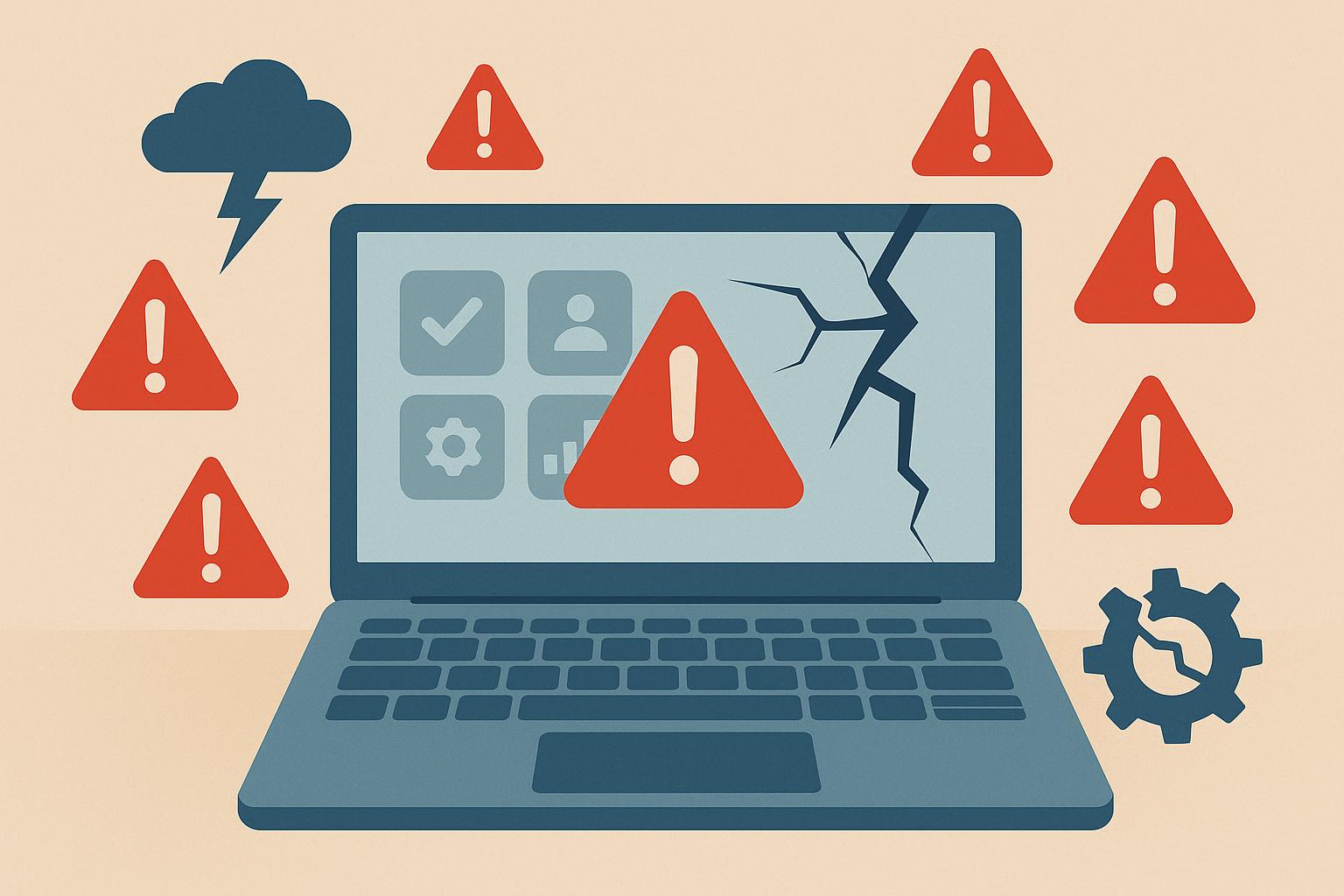
Sluggish performance, crashes, and lags can substantially reduce productivity. Such issues may cause your business processes to come to a standstill and lower customer satisfaction if your software is customer-facing.
If there are performance problems, it’s worth considering custom software for your company.
5. Your Business Processes Don’t Fit the Software
Generic software solutions are designed to be general-purpose applications, meaning they may not be the best fit for the unique way that your business operates. As your business grows and changes, it may develop unique processes that the solution isn’t designed to support.
In some cases, businesses may end up changing their business processes to align with the solutions they use. This isn’t ideal. So, if the solution is causing you to compromise how your business operates, it’s another obvious red flag that it’s no longer the best fit.
6. Expenses Are Climbing Without Added Value
While cost is one of the main advantages of using off-the-shelf solutions, the savings might be smaller than expected when accounting for other, less obvious expenses.
As time passes, you may realize you are paying more and more without receiving a commensurate return on your investment. In fact, the total value of all the tools and the time lost may even exceed what a customized solution would have required.
If your expenses are still increasing without any corresponding benefits — leaving an undesirable return on investment — it may be a good time to reassess your current situation.
While it may not be ideal, it’s not uncommon to outgrow your off-the-shelf software. As your business grows and your goals expand, you may need to reassess your current situation. You might realize that what got you started may no longer be sufficient for your current operations.
Custom software can give your company the competitive advantage needed to move forward.