
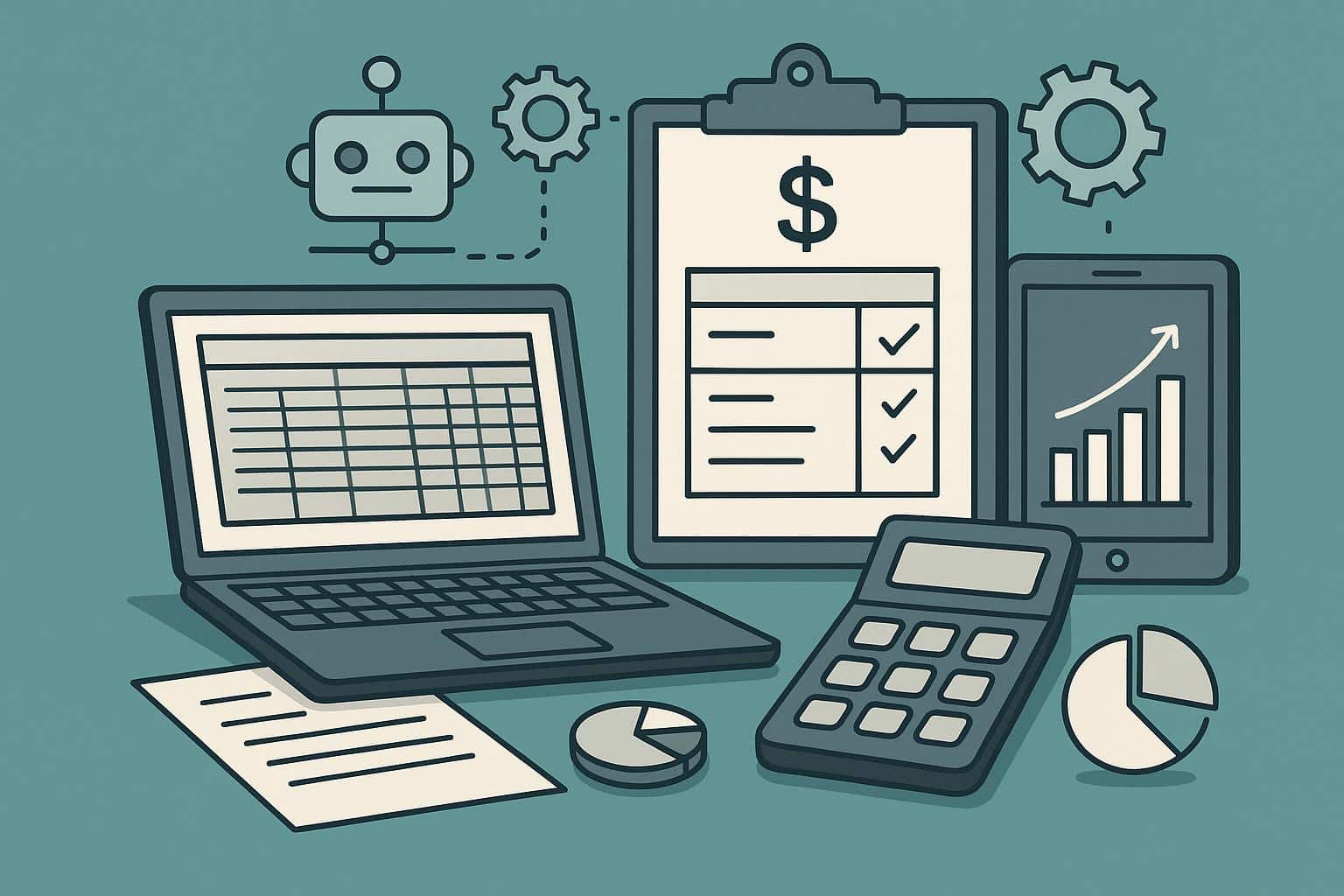
The accounting profession is evolving quickly as technology reshapes traditional financial processes. Chartered Accountants now handle large volumes of financial data, compliance requirements, and client communication, making manual accounting workflows increasingly challenging to manage. Because of this shift, accounting automation platforms have become important tools for improving efficiency, accuracy, and overall productivity in accounting firms.
Many organizations use digital solutions to automate bookkeeping, GST compliance, and document management tasks. Tools like Suvit help reduce repetitive accounting work through automated data entry and GST reconciliation. As firms grow and client expectations increase, many professionals begin exploring a Suvit alternative that provides broader automation features and improved financial workflow management.
Contents
The Rise of Accounting Automation in CA Firms
Traditional accounting processes often involve manual data entry, spreadsheet reconciliation, and repetitive document verification. These tasks consume valuable time that could otherwise be spent on advisory services and strategic financial analysis.
Accounting automation tools address these challenges by digitizing routine financial operations. Many modern platforms can automatically convert financial documents such as invoices, PDFs, and bank statements into structured accounting entries, significantly reducing manual effort.
Automation tools can also streamline GST filing and reconciliation by performing validation checks across financial records. Some platforms run dozens of automated checks to identify mismatches or compliance issues before returns are filed, helping accountants maintain accuracy in regulatory reporting.
As accounting firms continue adopting technology, the need for platforms that support multi-client operations, analytics, and workflow automation has increased. This demand has encouraged many professionals to explore tools beyond their existing systems.
Understanding the Role of Suvit in Accounting Automation
Before exploring a Suvit alternative, it is helpful to understand the role Suvit plays in modern accounting workflows.
Suvit is an AI-powered accounting automation platform designed for Chartered Accountants and tax professionals. It helps automate processes such as data entry, document collection, and GST compliance management.
The platform typically focuses on several core functions:
- Automated collection of financial documents from clients
- Conversion of financial data into accounting entries
- GST reconciliation and filing support
- Integration with accounting software like Tally
These capabilities help reduce manual workload while allowing CA firms to process financial data faster. According to platform information, automation can significantly reduce repetitive accounting tasks and improve operational efficiency.
Despite these benefits, some accounting firms look for broader automation capabilities such as deeper financial analytics, workflow visibility, and integration with other financial systems.
Why CA Firms Explore Alternatives to Suvit
Every accounting firm operates differently, and the tools that work for one practice may not always meet the needs of another. As a result, many professionals explore alternatives that offer expanded features or additional automation.
One reason firms search for alternatives to Suvit is the growing demand for comprehensive financial insights. Modern accounting operations increasingly rely on real-time reporting dashboards and data visualization tools to monitor financial performance.
Another factor is the complexity of client management. Accounting firms often manage hundreds of clients, each with unique compliance requirements and reporting timelines. Tools that provide centralized workflow management can help accountants track tasks, deadlines, and communications more effectively.
Scalability is also a major consideration. As CA firms grow, they require solutions that support larger volumes of financial data without increasing operational complexity.
These factors encourage professionals to evaluate multiple accounting automation tools before deciding which system best supports their workflow.
Key Features to Look for in a Suvit Alternative
When evaluating a Suvit alternative, accountants often focus on features that improve productivity and simplify compliance management.
Automated Data Processing
Advanced accounting tools use AI and optical character recognition to read financial documents such as invoices and bank statements. These systems automatically convert raw financial data into structured accounting entries, eliminating manual typing and reducing errors.
GST Compliance Automation
GST reconciliation remains one of the most time-consuming tasks for many accounting firms. Automated reconciliation tools compare financial records with GST returns to identify mismatches before filing, helping accountants maintain compliance.
Document Management Systems
Accounting automation platforms often include centralized document storage where invoices, statements, and tax documents can be organized and accessed easily. This improves record-keeping and simplifies audits.
Client Communication Tools
Some modern platforms provide built-in client communication features. These tools allow accountants to collect documents, send reminders, and track conversations from a single interface.
Workflow Automation
Workflow management systems help CA firms monitor tasks, assign responsibilities, and ensure deadlines are met across multiple clients. These features improve collaboration within accounting teams.
Automation and the Growth of Digital Accounting Practices
The accounting industry is gradually shifting from traditional bookkeeping toward technology-driven financial management. Automation tools allow accountants to focus on advisory services instead of repetitive data entry.
Many CA firms now combine automation platforms with outsourced accounting services to manage large client portfolios more efficiently. This combination allows firms to maintain accuracy while expanding their service capacity.
Automation tools also improve operational transparency by providing real-time insights into financial performance. This helps accountants deliver more strategic guidance to clients, especially in areas such as tax planning and business forecasting.
As the demand for digital financial solutions continues to grow, accounting firms are increasingly adopting tools that simplify compliance, reporting, and financial analysis.
Conclusion
Accounting automation plays an important role in modern financial management for CA firms. Platforms like Suvit help simplify tasks such as data entry, GST reconciliation, and document management. As business requirements evolve, many professionals begin exploring Suvit alternative tools that provide improved analytics, better workflow visibility, and stronger client coordination. Understanding these technologies enables Chartered Accountants to select solutions that enhance efficiency and support scalable, organized accounting operations.
For firms exploring smarter financial automation solutions, the AI Accountant can be considered. The platform offers intelligent accounting automation that helps simplify workflows for Chartered Accountants and businesses. It supports automated data extraction, reconciliation, and financial document processing to reduce manual effort. AI Accountant also provides tools for client management, financial insights, and streamlined accounting operations, helping firms manage financial data more efficiently and improve overall productivity.