
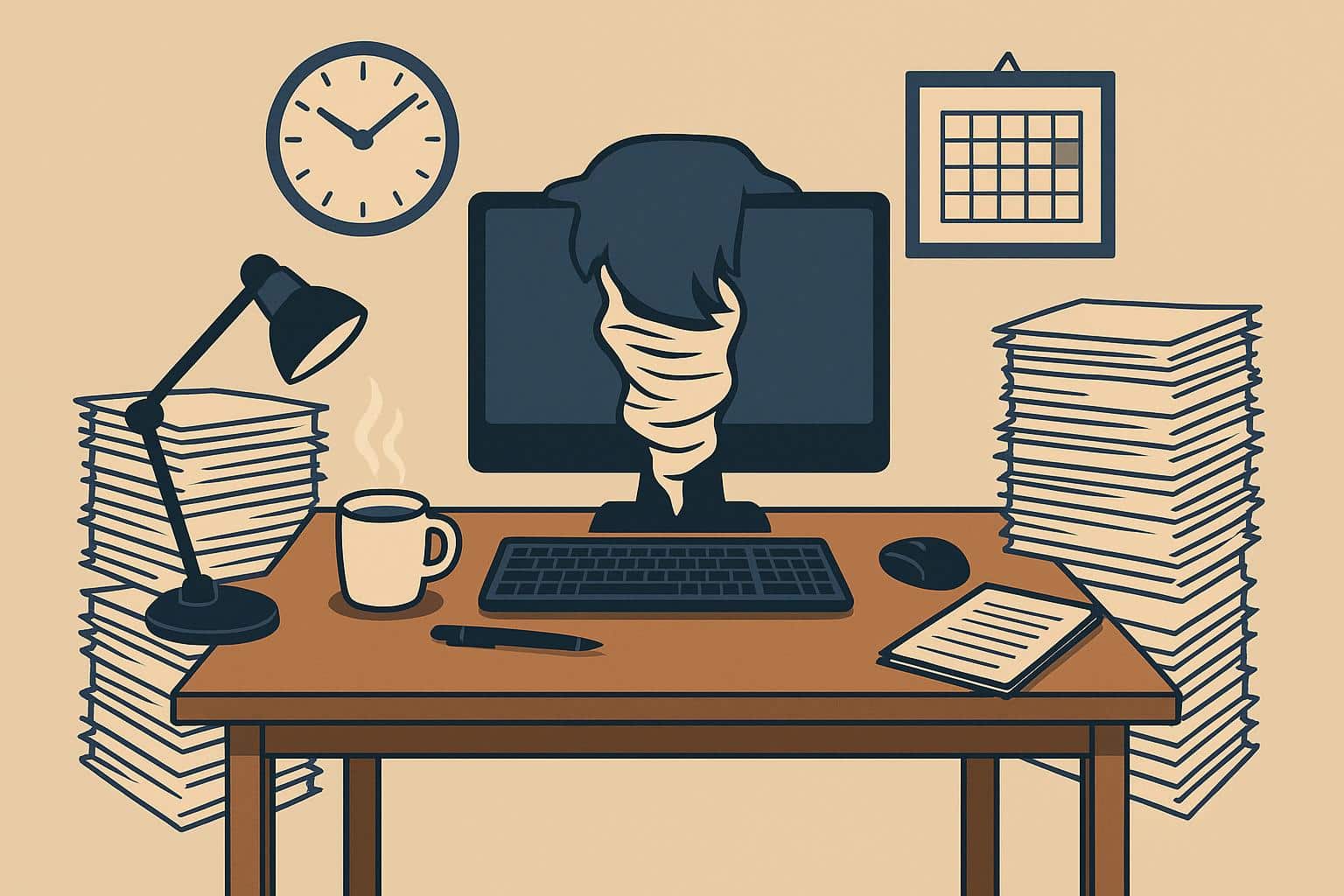
Tension in the workplace is an experience that nearly every employee encounters at some point in their career. It can arise from conflicting personalities, heavy workloads, unclear expectations, office politics, or even personal stress spilling into professional life. While a certain level of stress can motivate employees to perform, prolonged tension can negatively affect mental health, productivity, and workplace relationships. Understanding the sources of workplace tension and adopting effective coping strategies is essential for both employees and organizations to maintain a healthy work environment.
Contents
Understanding Workplace Tension
Workplace tension manifests in various forms. Some employees may experience it as mild stress during deadlines, while others face intense pressure due to unresolved conflicts or toxic work culture. Common sources of tension include:
- Interpersonal Conflicts: Personality clashes, miscommunications, and differing work styles can lead to misunderstandings and strained relationships among colleagues.
- High Workload: Unrealistic expectations, tight deadlines, and multitasking can overwhelm employees, leading to burnout and irritability.
- Lack of Role Clarity: When job responsibilities are unclear or constantly changing, employees may feel frustrated and anxious about meeting expectations.
- Organizational Changes: Restructuring, management changes, or shifting priorities can disrupt routines, causing uncertainty and stress.
- Poor Leadership: Managers who fail to provide support, recognition, or constructive feedback can inadvertently increase workplace tension.
Recognizing the underlying cause of tension is the first step in addressing it effectively. Often, tension is not the result of a single factor but a combination of stressors that build up over time.
Effects of Workplace Tension
Unchecked tension in the workplace can have both psychological and physical consequences. Chronic stress can lead to anxiety, depression, and decreased job satisfaction. Physical symptoms may include headaches, fatigue, and weakened immune function. Beyond personal health, tension impacts team dynamics and organizational productivity. Employees under constant stress may struggle with concentration, make more errors, and exhibit decreased collaboration and creativity. Moreover, prolonged tension can increase staff turnover, as employees seek healthier work environments.
Strategies to Deal With Workplace Tension
Effectively managing workplace tension requires a combination of personal coping mechanisms and organizational strategies. Below are practical approaches employees can adopt:
1. Open Communication
Transparent communication is crucial for reducing misunderstandings and resolving conflicts. Employees should feel comfortable expressing their concerns calmly and respectfully. Active listening plays a vital role, allowing individuals to understand different perspectives without immediate judgment. Using “I” statements—such as “I feel overwhelmed when deadlines overlap”—can help communicate feelings without blaming others, reducing defensiveness and facilitating productive dialogue.
2. Stress Management Techniques
Practicing stress management techniques can help employees maintain emotional balance. Techniques such as deep breathing exercises, meditation, and mindfulness can reduce immediate stress responses. Physical activity, even a short walk, can help release tension and improve mood. Some employees may enjoy short breaks for personal routines, like sipping tea, listening to music, or even enjoying a flavored vape juice, as a way to momentarily unwind. Additionally, maintaining a balanced lifestyle, including sufficient sleep, a healthy diet, and hobbies outside work, contributes to overall resilience against workplace stress.
3. Time Management and Prioritization
Properly managing time can prevent the buildup of tension caused by heavy workloads. Employees should prioritize tasks based on urgency and importance, break large projects into smaller steps, and set realistic deadlines. Learning to delegate responsibilities when appropriate can also reduce stress. Tools like digital planners or project management apps can provide structure and clarity, allowing employees to feel more in control of their work.
4. Seek Support
Employees do not have to manage tension alone. Seeking support from supervisors, colleagues, or human resources can provide practical solutions and emotional relief. Mentoring programs, team meetings, and peer support groups are excellent ways to share experiences and coping strategies. Additionally, professional counseling or employee assistance programs (EAPs) can help individuals address persistent stress in a safe and confidential environment.
5. Foster Positive Relationships
Building positive relationships at work creates a supportive environment that reduces tension. Simple gestures such as acknowledging a colleague’s contribution, offering help when needed, and showing appreciation can strengthen workplace bonds. Collaborative problem-solving encourages teamwork and mutual understanding, which diminishes friction and builds a sense of community.
6. Set Boundaries
Boundaries are essential for maintaining mental health and reducing workplace tension. Employees should learn to say no when demands exceed capacity and manage expectations regarding work hours and communication outside of work. Clear boundaries help prevent burnout and ensure that professional responsibilities do not overwhelm personal life.
7. Focus on Solutions, Not Blame
Shifting the focus from assigning blame to finding solutions encourages a proactive approach to tension. When conflicts arise, teams should concentrate on identifying actionable steps to resolve issues rather than dwelling on past mistakes. This solution-oriented mindset promotes cooperation, reduces negativity, and strengthens problem-solving skills.
Role of Organizations in Managing Workplace Tension
While employees can take steps to manage tension, organizations play a crucial role in creating a supportive environment. Leaders should promote a culture of respect, provide clear communication, and recognize employee contributions. Regular feedback, conflict resolution training, and wellness programs can prevent tensions from escalating. Flexible work arrangements, such as remote work or flexible hours, can also reduce stress by accommodating individual needs. By prioritizing employee well-being, organizations benefit from improved morale, increased productivity, and lower turnover rates.
Conclusion
Workplace tension is an inevitable part of professional life, but it does not have to dominate the work experience. By understanding the sources and effects of tension, adopting personal coping strategies, and fostering supportive organizational practices, employees can maintain balance and thrive in challenging environments. Open communication, stress management, effective time management, and building positive relationships are practical tools that help mitigate tension. Equally, organizations that invest in employee well-being cultivate a healthier, more productive workplace where tension is managed constructively rather than allowed to fester. Ultimately, recognizing and addressing tension is not a sign of weakness but a crucial step toward creating a sustainable and fulfilling work environment.