
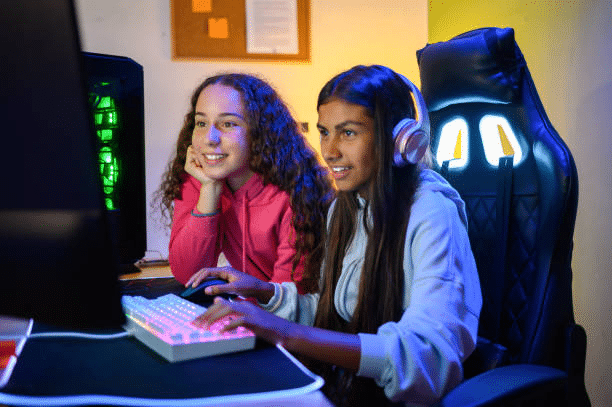
Have you noticed how online games have moved from a small hobby into a daily social habit for people?
A match is no longer only about winning points or passing a level. It can be a place to talk, relax, learn teamwork, and share moments with friends.
Online gaming culture grew because games became easier to access, internet speeds improved, and players wanted more ways to connect from home, school, work breaks, or faraway friends.
At the core, this culture is about people. The screen may show maps, avatars, scores, and missions, but behind each username is someone making choices, reacting fast, and building social habits.
Contents
Online Gaming Became A Social Space
Older games often focused on one player and one device. Online games changed that by adding live chat, teams, rankings, shared events, and friend lists. A player can join a quick match after dinner, talk with a cousin in another city, or meet regular teammates who log in at the same time each week.
Why Players Keep Coming Back
People return to online games for simple reasons:
- They can play with real people, not only computer opponents.
- Each session can feel different because players act in new ways.
- Team play can make wins feel shared.
- Chat, voice, and reactions make the game feel alive.
A useful example is a group of friends who cannot meet every weekend. Instead of losing contact, they play for an hour, talk about life, and enjoy a shared activity. The game becomes their meeting place.
Access Helped The Culture Grow
Online gaming culture became larger because access improved. Phones, affordable laptops, consoles, and better internet made gaming easier for many homes. People no longer need a costly setup to join casual matches or puzzle games. A short break and a mobile device can be enough.
Small Barriers Made A Big Difference
When an activity is easy to start, more people try it. Online games often use short tutorials, simple menus, and quick matchmaking. These features help new players feel less lost. Even account pages, login screens, and community links such as KUY4D DAFTAR show how common online access points have become across gaming-related spaces.
The main point is the habit behind it: players are used to entering digital spaces, creating profiles, and moving between pages, chats, and game rooms.
Streaming Made Play More Public
Before streaming and short video platforms, many game moments stayed inside the room where they happened. Now, clips, live matches, and funny reactions can be shared in seconds. A smart move, a lucky win, or a funny mistake can become part of a group chat or online post.
Watching Can Be As Fun As Playing
Many people enjoy watching games even when they are not playing. Viewers learn tactics, enjoy the host’s humor, or follow tense matches like a live sport.
For example, someone may watch a strategy match during lunch to learn better timing, then try that idea later with friends.
Streaming also changed player behavior. Some players practice not only to win, but also to create moments worth sharing. Others build small communities around regular play sessions, inside jokes, and chat habits.
Teamwork And Communication Became Key Skills
Online games often reward clear communication. In team matches, players need to share useful details fast: where the rival is, what tool is ready, when to defend, or when to move. Good teams usually do not talk nonstop. They share short, helpful information at the right time.
Practical Lessons From Team Play
Online team play can teach habits that apply outside games:
- Listen before reacting.
- Stay calm when plans fail.
- Give clear instructions.
- Respect different skill levels.
- Learn from mistakes without blame.
For instance, a team may lose because everyone moved ahead without a plan. After that, they assign roles: one KUY4D player watches the back, one leads, and one supports. The next match feels more organized. That simple change shows how gaming can teach planning and cooperation.
Digital Identity Became Part Of Play
Usernames, avatars, skins, badges, and profiles give players ways to express themselves. Some people use a funny name. Others pick a calm character style, a bold outfit, or a rare badge earned through practice. These choices help players feel recognized in a busy online space.
Why Identity Matters In Gaming
Identity matters because games are social. When players see the same username often, they remember the behavior. A helpful teammate may get invited back. A patient player may become trusted. A skilled player may be asked for tips.
This is why many players care about reputation. Online spaces work better when people are fair, polite, and reliable.
Online Gaming Supports Learning
Many games ask players to solve problems, manage resources, read patterns, or plan steps. A building game can teach design thinking. A strategy game can teach timing and risk. A music game can train rhythm. A story game can improve reading focus.
Healthy Habits Keep Gaming Balanced
Online gaming culture works best when players treat it as one part of life, not the whole day. Balance makes play more enjoyable.
Simple Balance Tips
Useful habits include:
- Set a clear play time before starting.
- Take breaks between long sessions.
- Keep food, sleep, study, and work on track.
- Play with people who make the mood better.
- Stop for the day when frustration builds.
These habits are practical. A player who rests well and plays at a planned time usually enjoys the game more than someone who plays while tired and in a hurry.
Conclusion
Online gaming culture rose because it meets real human needs: connection, fun, learning, identity, and shared experience. It grew through better access, social features, streaming, teamwork, and creative communities. The most important fact is simple: online games are not only digital activities. They are social spaces where people practice communication, build habits, and share moments that can matter long after the match ends.