
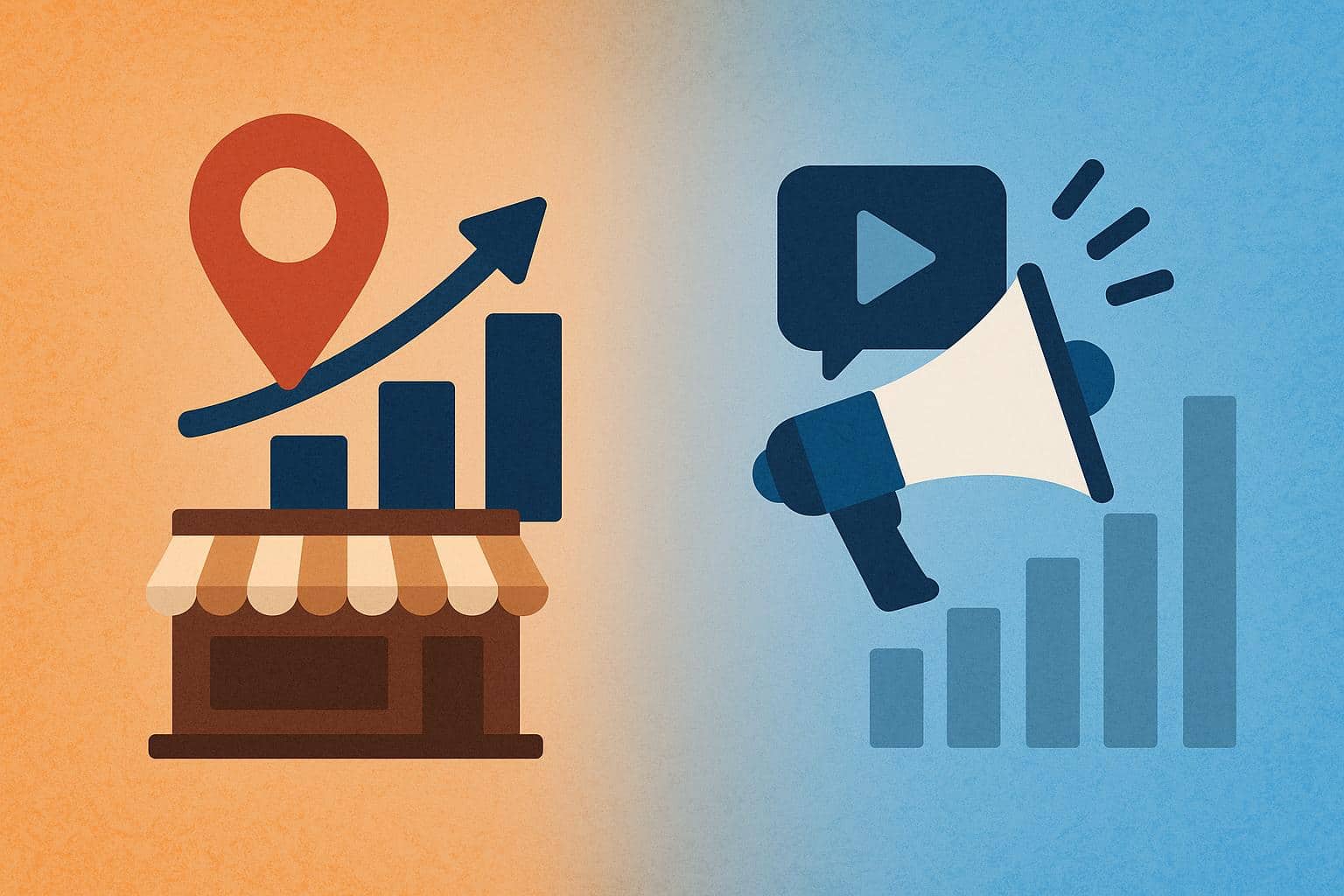
Every quarter, another viral marketing case study makes the rounds. A scrappy startup hits ten million views overnight, a meme-fueled campaign lands a brand on every feed, and founders everywhere start asking their teams why they can’t pull off the same trick. The honest answer is that most of those viral moments do less for the bottom line than a steady, well-built local presence.
For small and mid-sized businesses, especially those rooted in a specific city or region, the chase for national virality often pulls focus from the work that drives real revenue.
Local brand authority — the trust you build with the people who can actually walk in your door or sign your contract — is quieter, slower, and far more profitable.
Contents
Virality looks like a shortcut, which is exactly why it’s so seductive. One clip, one tweet, one TikTok, and suddenly the brand is everywhere. But reach is not the same as relevance, and impressions don’t pay invoices.
Most viral spikes come from audiences far outside a brand’s actual service area or buyer profile. A plumber in Houston doesn’t need a viewer in Berlin. A regional law firm doesn’t convert teenagers scrolling at midnight. The traffic looks impressive in analytics, but the conversion rate tells a different story.
There’s also the matter of staying power. Viral content has a famously short half-life. The faster something spreads, the faster it dies, and brands built on momentum alone tend to vanish with it.
Local authority isn’t a single tactic. It’s the cumulative effect of being the obvious, trusted choice in a defined market. When someone in your city searches for what you sell, your name shows up — in the map pack, in conversations, in referrals from other businesses, and in the back of customers’ minds.
A few signals matter more than the rest:
- Consistent local SEO. A well-maintained Google Business Profile, accurate citations across directories, and location-specific pages on your site tell search engines exactly where you operate. Google’s own local ranking guide spells out the relevance, distance, and prominence factors that drive who shows up first.
- Real reviews from real customers. Volume matters, but so does recency and how you respond. A steady stream of recent reviews signals an active, trusted business.
- Community visibility. Sponsoring a youth league, speaking at a chamber event, or partnering with a nearby nonprofit puts your name in front of the exact people who might hire you.
- Press coverage in regional media. A mention in the city business journal carries more weight with local buyers than a national feature most of them will never see.
Why this matters more in 2026 than it did five years ago
Search behavior has shifted. AI-powered answers, voice queries, and map-based discovery now handle a huge share of buying intent, and most of those queries are local by nature. “Best HVAC company near me” doesn’t get answered by a viral video. It gets answered by structured data, reviews, and a clean local footprint.
Buyers are also more skeptical than they used to be. Edelman’s recent work on brand trust shows that proximity and familiarity carry real weight in purchase decisions, particularly for service-based industries where a wrong choice is expensive to undo.
The brands winning right now aren’t the loudest. They’re the ones a customer’s neighbor already recommended.
How to build it without chasing trends
Building local authority is unglamorous, but the playbook is clear. It rewards consistency over cleverness.
- Audit your local footprint. Check that your name, address, and phone number match across every directory. Mismatched data quietly hurts rankings.
- Publish for your city, not the internet. Write content that answers questions specific to your region — permitting rules, climate concerns, neighborhood-level guides. National keywords are crowded; local ones convert.
- Earn links from neighbors. A backlink from the local school district, a regional blog, or a partner business is worth more for local search than a generic guest post on a high-traffic site.
- Invest in a team that knows your market. Generalist agencies can run campaigns anywhere, but ones with regional roots understand the buying patterns. Working with a Texas-based marketing partner looks different from hiring a remote firm with no feel for the area, and the gap shows up in results.
- Measure what actually matters. Track calls, form fills, store visits, and signed contracts — not vanity reach. If a campaign moved impressions but not pipeline, it didn’t work.
The quiet advantage
Virality will keep tempting founders because it photographs well. But the businesses that compound year over year tend to be the ones that nobody outside their city has heard of, and that’s fine. Their phones ring.
If you’re choosing between a swing at internet fame and another six months of disciplined local work, the math almost always favors the local work. It’s less thrilling on a slide deck and far more useful on a balance sheet.