
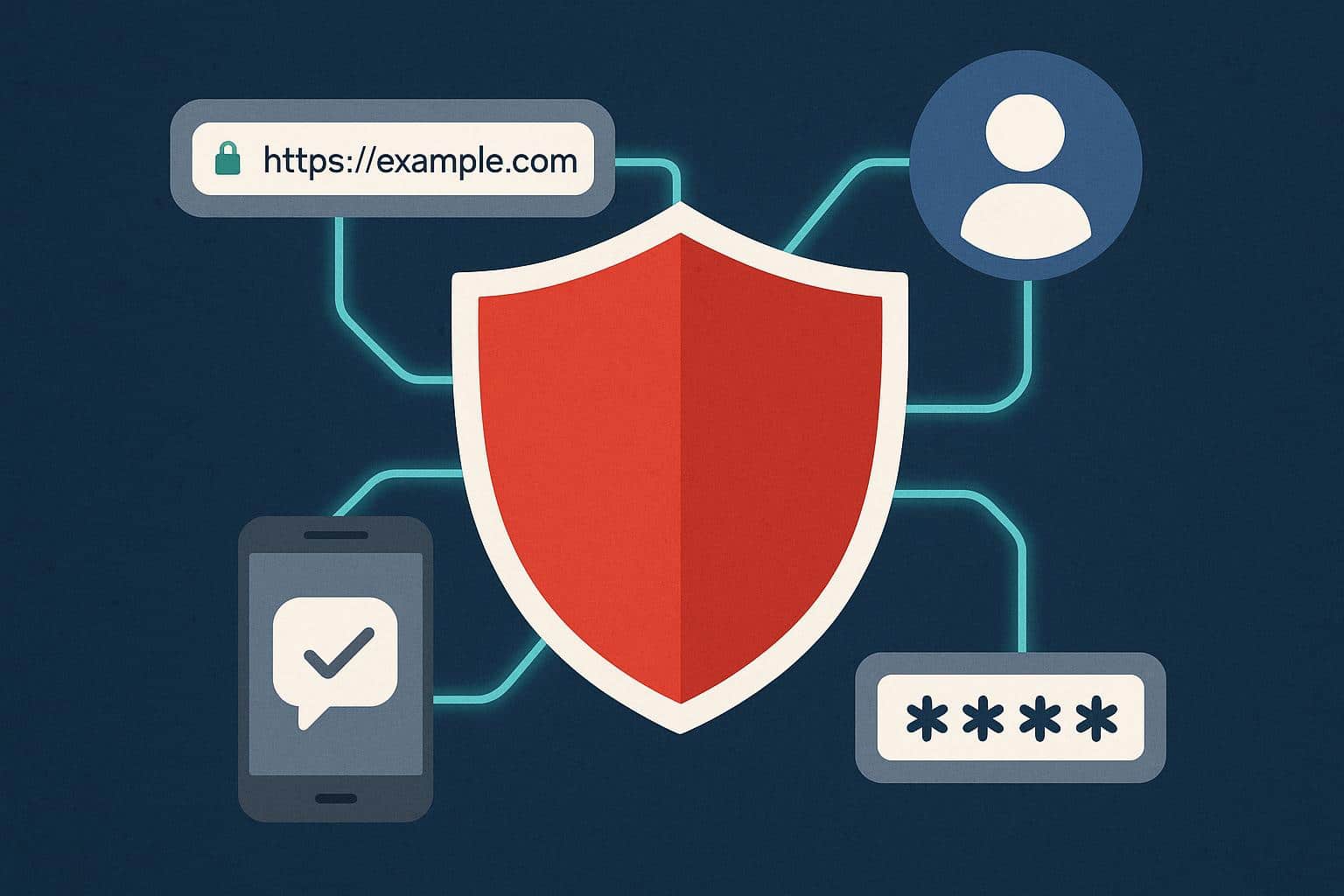
The global social media ecosystem thrives on clean presentation, where influencer branding and corporate outreach depend heavily on custom URL shortening services to transform long, messy profile links into sleek, trustworthy vanity paths. This cosmetic transformation, however, sits atop a fragile foundation of platform security and device verification. When social media managers and growth hackers deploy hundreds of shortened links to drive traffic, they must continually verify new accounts across diverse networks. Using a reliable virtual number during these registration loops acts as a crucial identity shield, preventing automated trackers from linking an individual’s physical SIM card to massive webs of promotional profiles.
Every vanity redirection redirecting to a social profile is a target for digital adversaries. If a hacker gains access to the underlying social media account associated with a shortened link, they can easily redirect high-traffic redirects toward phishing portals or malware downloads, causing catastrophic damage to a brand’s reputation. To secure these access points, platforms mandate robust two-factor authentication (2FA). However, tying 2FA to a personal phone number exposes the user to SIM-swapping exploits, where bad actors manipulate mobile carriers to hijack physical phone lines. Using a decoupled, cloud-based virtual mobile infrastructure completely eliminates this physical hardware vulnerability.
When managing localized marketing campaigns in North America, foreign marketing agencies often face strict regional locks during account signups. Acquiring a free usa number bypasses these geographic barriers immediately, allowing teams to test localized user interfaces, access region-restricted tracking tools, and verify target-market accounts without buying local physical hardware. This strategy allows international marketers to run agile, cross-border campaigns while maintaining a completely localized, high-trust footprint.
Contents
The Technical Mechanics of Account Trust and Fingerprinting
Modern social media networks and web services deploy aggressive bot-mitigation firewalls to curb sybil attacks, automated spamming, and account takeovers. When a script or a user attempts to register a new profile, the platform’s security engine performs real-time telemetry checks to calculate a cumulative risk score. If your registration parameters look suspicious, the signup is rejected or flagged for secondary verification.
Key Telemetry Vectors Checked During Registration
- Carrier Reputational Scores: Algorithms check if the registering phone number belongs to a major physical mobile network operator or a highly recycled, public VOIP database that has been blacklisted.
- IP and Geolocation Consistency: The system flags registrations where the IP address does not match the geographic origin of the phone number.
- TCP/IP Fingerprints: Algorithms scan network variables like MTU (Maximum Transmission Unit) and TTL (Time to Live) to ensure the traffic behaves like an organic, device-based user.
To ensure high registration success rates, advanced marketers align their automated registration engines with residential mobile proxies. Running connections at standard 4G/5G speeds (10-50 Mbps) and configuring device headers to match real smartphone characteristics makes your registration requests look identical to those of an organic subscriber. Combined with clean virtual numbers, this technical alignment achieves up to a 98% scraping success rate and seamless account creation loops.
Combating Ad Fraud and Protecting Marketing Budgets
The global digital ad space suffers $40B+ ad fraud losses annually – a staggering statistic that has forced major tech platforms to build highly aggressive anti-bot defenses. Unfortunately, these automated security sweeps frequently catch legitimate, privacy-conscious marketers who simply want to keep their personal phone numbers off public directories. If you run multiple promotional channels or manage client redirection networks, your profiles can easily get caught in these massive, automated bans if your network footprint is poorly managed.
Using public-pool phone numbers for verification is a major operational risk. Public numbers are heavily scraped and rapidly blacklisted by modern fraud-detection software. Opting for a dedicated virtual mobile infrastructure ensures your registration trail remains clean. With access to over 90 countries and 2 million virtual numbers online, marketing teams can scale their multi-account networks across diverse geographic zones without leaving an interconnected, traceable trail.
Timing is another critical component during automated setups. If your SMS delivery suffers from poor network routing, the verification OTP (One-Time Password) may arrive after the signup session has timed out. To prevent this, our virtual routing infrastructure is engineered to meet modern 5G latency standards of <20ms. This guarantees that your verification codes land in your dashboard within seconds of being requested, eliminating session timeouts and maximizing your automation efficiency.
A Structured Protocol for Deploying Secure Digital Profiles
Establishing an insulated, high-trust digital footprint requires a systematic approach to coordinate your network, location, and device headers into a cohesive, secure identity.
| Phase | Task | Technical Target | Operational Value |
|---|---|---|---|
| 1 | Isolate Verification Trails | Deploy dedicated, single-use virtual mobile numbers | Prevents target tracking and stops database leaks from exposing your primary SIM card |
| 2 | Establish Network Proxies | Use high-speed residential or mobile proxies matching the phone’s country code | Bypasses geo-restrictions and maintains maximum trust scores across security engines |
| 3 | Configure MTU/TTL Headers | Set MTU to 1500 and TTL to 64 to mirror mobile carrier footprints | Masks automated requests as authentic, device-based mobile interactions |
| 4 | Bind Long-Term Access | Secure permanent verification recovery channels through dedicated leases | Guarantees permanent, private access to key accounts without hardware dependency |
This organized setup provides a solid defense against algorithmic blocks, data scraping, and target-profiling. Whether you are managing vanity URL redirects, running social media campaigns across international markets, or establishing long-term business profiles, keeping your digital identity assets isolated is the most reliable path to operational security.
Future-Proofing Your Digital Footprint
The trend toward stricter digital boundaries and mandatory identity verifications shows no signs of slowing down. As social networks and web directories introduce tighter registration filters, relying on a single, physical mobile phone for all verification needs becomes a significant business vulnerability. Physical phone numbers tie your geographical history, bank cards, and personal contacts to a single point of failure, leaving your digital presence exposed to potential security breaches.
Utilizing a professional, cloud-based virtual mobile infrastructure grants you the agility to scale your business, manage your brand’s shortened links internationally, and secure your identity without borders. By removing the physical limitations of traditional SIM cards and utilizing clean, single-client virtual numbers, you retain full control over your digital footprint, bypass geographical restrictions, and keep your sensitive personal data entirely under your own supervision.