
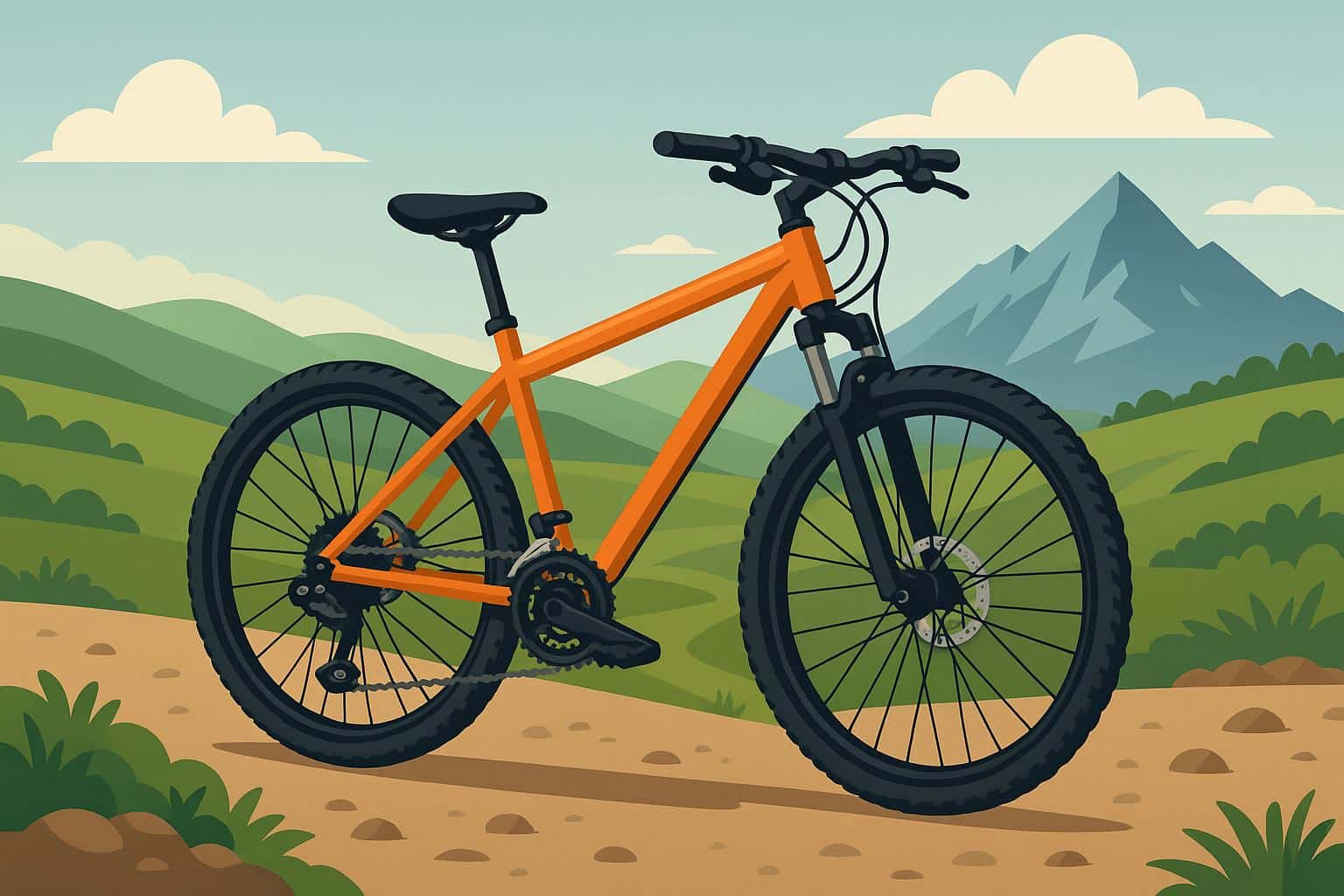
A bicycle is not just a simple vehicle anymore; it has become a smart and flexible transportation option for modern riders. One of the most important features that improves riding experience is the cycle gear system. It helps riders control speed, manage effort, and ride comfortably on different types of roads. Whether someone is riding in the city or on hilly areas, gears make cycling easier and more efficient.
At the same time, choosing the right cycle plays a major role in how well the gear system performs. A well-built bicycle ensures smooth gear shifting, better balance, and long-term durability.
Today, cycling is not just about fitness; it is also about convenience, speed control, and energy efficiency. That is why gear systems have become an essential part of modern bicycles.
What is a Cycle Gear System?
A cycle gear system is a mechanical mechanism that allows riders to change the resistance level while pedaling. It works by shifting the chain between different-sized sprockets on the front and rear wheels.
This system helps riders adjust how much effort they need to pedal depending on the road condition.
- Lower gears = easier pedaling (for hills or rough roads)
- Higher gears = harder pedaling but faster speed (for flat roads)
This flexibility makes cycling more comfortable and less tiring.
Why Cycle Gears are Important
Gears are essential because they improve performance and reduce physical effort. Without gears, riders would struggle on uneven roads or long-distance journeys.
1. Energy Efficiency
Gears help riders use energy more efficiently by adjusting resistance.
2. Better Speed Control
Riders can control how fast or slow they want to go.
3. Reduced Fatigue
Proper gear usage reduces pressure on legs and muscles.
4. Versatility
A gear system allows one bicycle to perform well on different terrains.
Types of Cycle Gear Systems
Single-Speed System
This is the simplest type of system with only one gear. It is easy to use but limited in performance. It is best for flat roads and beginners.
Multi-Gear System
Multi-gear bicycles offer several gear options for different conditions. Riders can switch between gears easily.
Derailleur Gear System
This is the most common system in modern bicycles. It uses a chain that moves between different gears on the front and rear wheels.
Internal Hub Gear System
In this system, gears are enclosed inside the wheel hub. It requires less maintenance and offers smooth performance.
How Cycle Gears Improve Riding Experience
Easy Hill Climbing
Low gears reduce effort while climbing steep roads.
Faster Speed on Flat Roads
High gears help riders achieve better speed.
Smooth Riding Experience
Gear shifting makes cycling more balanced and controlled.
Long Distance Comfort
Riders can maintain energy during long rides.
Choosing the Right Cycle for Gear Performance
The performance of a gear system depends not only on the gears but also on the quality of the bicycle. A strong and well-designed cycle ensures smooth gear shifting and better durability.
When choosing a cycle, riders should consider:
- Frame strength
- Gear quality
- Brake system
- Tire grip
- Comfort level
A poor-quality cycle can make even a good gear system less effective.
Best Terrains for Different Gear Usage
City Roads
Medium gears are best for traffic and flat surfaces.
Hilly Areas
Low gears are ideal for climbing slopes and rough roads.
Highways
High gears help maintain speed on smooth long roads.
Common Mistakes in Gear Usage
Many riders use gears incorrectly, which affects performance and lifespan.
1. Shifting Gears Too Late
Gears should be changed before reaching a slope.
2. Sudden Gear Changes
Quick or rough shifting can damage the chain.
3. Ignoring Maintenance
Dirty or dry chains reduce gear efficiency.
4. Using Wrong Gear Combination
Incorrect usage increases fatigue and reduces performance.
Maintenance Tips for Cycle Gears
Regular Cleaning
Dirt can affect smooth gear movement.
Lubrication
Proper oiling ensures smooth chain movement.
Check Alignment
Misaligned gears can cause slipping.
Inspect Cables
Loose cables affect shifting quality.
Benefits of Proper Gear Usage
Using gears correctly provides many advantages:
- Better speed control
- Less physical effort
- Improved safety
- Longer bicycle life
- Smooth riding experience
Importance of Cycle Quality in Gear Systems
A gear system only works well when it is installed on a strong and reliable bicycle. A good cycle ensures that all components work together smoothly.
Cheap or low-quality cycles may cause gear issues like slipping, noise, or poor shifting performance.
Future of Cycle Gear Technology
Modern bicycles are becoming more advanced with automatic gear shifting systems. These systems adjust gears automatically based on speed and terrain.
Future improvements may include:
- Smart gear sensors
- Lightweight materials
- AI-based shifting systems
- Improved durability
This will make cycling even easier and more efficient.
Final Thoughts
A cycle gear system is one of the most important features of modern bicycles. It improves speed control, reduces effort, and makes riding comfortable on all types of terrain.
At the same time, choosing the right cycle is essential for getting the best performance from any gear system.
When used correctly and maintained properly, gear bicycles can provide a smooth, efficient, and enjoyable riding experience for years.