
Contents
- Key Takeaways
- The Life-Changing Benefits of All-on-4 Dental Implants
- Single-Tooth Implants: A Precision Restorative Solution
- Implant Bridges: A Smooth Solution for Multiple Missing Teeth
- Snap-On Dentures: A Versatile Alternative for Dental Restoration
- FAQ
- What are the ideal candidates for All-on-4 implants?
- How long does the All-on-4 recovery process take?
- Can single-tooth implants be placed immediately after tooth extraction?
- How do implant bridges differ from traditional bridges?
- What are the costs associated with snap-on dentures?
- Are there dietary restrictions after receiving implants?
- How often should patients visit the dentist after receiving implants?
- Do dental implants ever require replacement?
Key Takeaways
All-on-4 dental implants provide immediate aesthetic advantages while establishing a solid foundation for prosthetic teeth, which in turn boosts self-esteem and enhances quality of life.
Patients opting for All-on-4 procedures typically go through a two-stage process. This includes the placement of implants followed by the addition of temporary dentures, resulting in a sense of instant satisfaction.
Single-tooth implants play a crucial role in restoring functionality by replicating the characteristics of natural teeth, thereby preventing adjacent teeth from drifting and enhancing one’s ability to eat and speak.
These implants boast an impressive success rate of over 95% after a decade, requiring ongoing dental care to maximize their lifespan and effectiveness.
Implant bridges serve as solutions for replacing multiple missing teeth, delivering stability as they anchor directly into the jawbone, which supports jaw health and combats bone loss.
With customization options, implant bridges can achieve a lifelike appearance, boosting functionality while helping patients regain lost confidence.
Snap-on dentures represent a secure alternative to traditional dentures, facilitating improved oral hygiene and adaptability for those with active lifestyles.
The Life-Changing Benefits of All-on-4 Dental Implants
How All-on-4 Transforms Smile Aesthetics
A confident smile holds remarkable power for many. Consider the transformations that All-on-4 dental implants can provide. This advanced approach uses four strategically placed implants to support a complete restoration of the upper or lower jaw. Patients are often impressed by the immediate aesthetic improvements, sometimes leaving the office with a renewed smile after a single visit. Such changes can positively influence self-image, boost confidence, and improve overall quality of life.
Experts often emphasize that All-on-4 implants offer benefits beyond aesthetics. They create a stable foundation for a fixed set of prosthetic teeth. Unlike traditional dentures, which may shift or slip, implant-supported teeth allow patients to enjoy their favorite foods with greater confidence. Many patients report that this added stability makes dining out more comfortable and reduces concerns about missing teeth or loose dentures.
Before choosing among dental implant procedures, patients should have an open discussion with a qualified dental professional. Oral health, bone structure, and individual treatment goals can vary significantly. Understanding the All-on-4 process and how it fits into a patient’s specific needs can help establish realistic expectations and support a more informed treatment journey.
What to Expect from the All-on-4 Process
So, what does the All-on-4 process entail? The journey begins with a comprehensive assessment, where professionals carefully evaluate factors such as bone density and gum health. These elements are critical and can significantly affect the success of the implants. Patients typically engage in a detailed consultation, which may also involve digital imaging for crafting a tailored treatment plan that addresses each individual’s needs and goals.
The day of the procedure often brings a whirlwind of emotions—excitement mixed with anxiety. However, awareness of the two-fold process can help ease those nerves. Initially, the implants are placed within the jawbone. Once this is complete, a temporary denture is attached, allowing patients to leave the office with teeth already in place. This approach certainly offers instant gratification.
“Patients often express disbelief at how quickly they regain their smiles and functionality.”
Following the procedure, some discomfort is common, though most find it manageable with prescribed medications. Approximately six months later, once healing has progressed, a permanent set of teeth is affixed. This subsequent phase is often celebrated, marking the culmination of a long journey marked by doubts and dental challenges.
Single-Tooth Implants: A Precision Restorative Solution
Restoring Functionality with Single-Tooth Implants
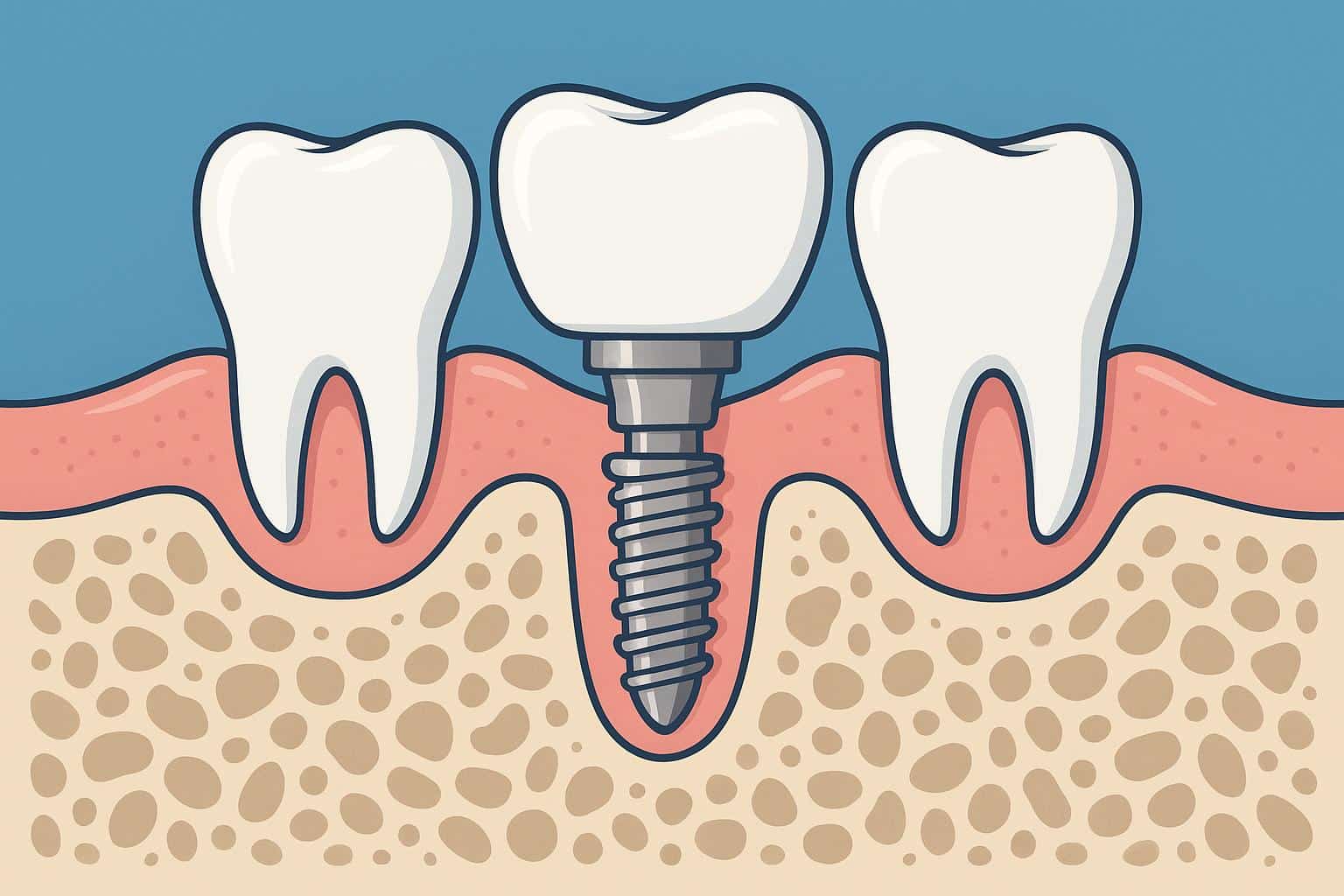
Losing a single tooth brings more than just cosmetic dilemmas; it can lead to adjacent teeth shifting and issues with chewing or speaking. Single-tooth implants represent a precise restorative solution, swiftly tackling these concerns. They replicate natural teeth in both look and function, greatly enhancing one’s daily activities.
Each single implant helps reinforce the jawbone, an essential factor for long-term health. The titanium post integrates with the bone through a process known as osseointegration, thus creating a strong foundation for the replacement tooth. Clients often notice more than just aesthetic improvements; enhanced functionality leads to greater confidence in eating and speaking, positively impacting both social and professional spheres.
Long-Term Outcomes: The Durability of Single-Tooth Implants
How long can one expect these implants to last? There’s a common misconception that dental implants need frequent replacements. In fact, single-tooth implants are designed for durability. Success rates are quite impressive, often surpassing 95% after ten years. Regular dental check-ups along with good oral hygiene practices are crucial for maintaining their performance.
Many professionals underscore the significance of choosing an experienced dentist. They efficiently evaluate how each patient’s unique situation can influence implant longevity. During consultations, personalized maintenance plans might be recommended to maximize the lifespan of the implants.
- Regular dental cleanings by professionals
- Daily brushing and flossing
- Avoiding harmful habits such as smoking
Ultimately, single-tooth implants can dramatically change the experience of dealing with dental issues. They create opportunities for activities that might have previously been shunned due to self-consciousness, leading to a revived, more fulfilling lifestyle.
Implant Bridges: A Smooth Solution for Multiple Missing Teeth
Curating a Natural Look with Implant Bridges
Missing multiple teeth brings complications that go beyond simple gaps in a smile. Implant bridges offer a sophisticated solution that successfully restores both functionality and aesthetic appeal. Conventional bridges often depended on neighboring teeth for support; yet, implant-supported bridges take a different approach. They anchor directly into the jawbone, preserving its structure while providing enhanced stability.
Patients choosing implant bridges frequently appreciate their natural appearance. Customization is crucial to achieving a seamless match in color, shape, and size. A skilled dental lab collaborates with professionals, ensuring that every bridge mirrors a patient’s natural teeth impeccably.
“The charm of implant bridges lies in their ability to merge durability with aesthetics, presenting a comprehensive answer to tooth loss.”
The process commences with an initial consultation, followed by a CT scan to assess the jaw’s condition and devise a custom treatment plan. After placing the implants, the careful crafting of the bridge begins. Once healing is complete, the bridge is secured, often resulting in improved smiles and heightened self-esteem.
How Implant Bridges Enhance Jaw Health
A frequently overlooked aspect is the vital role implant bridges play in sustaining jaw health. When teeth are missing, bone loss can gradually ensue. With dental implants set into the jawbone, this deterioration is halted. A strong jaw supports facial structure, contributing to overall health and functionality.
- Increased bite strength
- Reduced risk of bone loss
- Enhanced ability to chew various foods
Opting for implant bridges can substantially improve dining experiences. Clients often express joy over the freedom to indulge in their favorite dishes without struggle. Altogether, this solution empowers individuals to embrace life with renewed vitality.
Snap-On Dentures: A Versatile Alternative for Dental Restoration
The Flexibility of Snap-On Dentures for Active Lifestyles
For those seeking both convenience and stability, particularly suited for lively lifestyles, snap-on dentures present a flexible choice. Unlike conventional dentures that can slip or feel insecure, snap-on dentures attach firmly to dental implants, offering a more functional experience that encourages full engagement in social activities without fear of embarrassment.
Patients often find the ease of removal and reattachment particularly attractive. At the end of a long day, this flexibility supports effective oral hygiene. Being able to easily pop them off at home fosters a commitment to maintaining oral health.
Transitioning to Snap-On Dentures: What to Consider
The shift to snap-on dentures may seem intimidating, but it can also yield significant rewards. During this transition, important considerations often include the adaptation period and the necessity for consistent oral care. Patients should be ready for an adjustment time as they familiarize themselves with the sensation and functionality of their new dentures.
Regular check-ups become crucial during this phase, as professionals can make necessary adjustments. Individuals might discover that finding the most comfortable positioning for their snap-on dentures takes time. Still, this is part of the adaptation process, and with persistence, the benefits will be evident.
- A dedication to regular check-ups
- Open dialogues with dental professionals
- Embracing the learning curve during the adjustment
Patients who welcome snap-on dentures often discover a newfound sense of liberation. The combination of stability and convenience can breathe vibrant quality into daily life. After all, who wouldn’t want to reclaim their smile and savor life’s moments more fully?
FAQ
What are the ideal candidates for All-on-4 implants?
Professionals typically identify candidates as those experiencing significant tooth loss or complete edentulism. However, potential patients must also possess adequate bone density and overall health to support the implants, so a comprehensive consultation is crucial.
How long does the All-on-4 recovery process take?
Recovery duration varies per individual, but generally, patients can expect initial healing within a few weeks. Full integration of the implants and adjustment to the permanent prosthetic usually requires about six months, allowing for optimal recovery and outcomes.
Can single-tooth implants be placed immediately after tooth extraction?
In many cases, placing single-tooth implants immediately following extraction is possible, depending on the specific situation. Professionals evaluate bone health and infection risk to ascertain suitability, making thorough assessment vital.
How do implant bridges differ from traditional bridges?
Unlike traditional bridges that rely on existing teeth for support, implant bridges are anchored directly into the jawbone, offering better stability. This setup not only safeguards jaw health but also minimizes the risk of further deterioration over time.
What are the costs associated with snap-on dentures?
The expenses related to snap-on dentures can vary significantly based on materials and the complexity of each case. Patients should expect additional costs for implants and follow-up care, thus discussing financial aspects ahead of time with their dental professionals is prudent.
Are there dietary restrictions after receiving implants?
Initially, soft foods are generally suggested post-surgery. As healing progresses, individuals can gradually reintroduce their preferred foods. Attending to one’s body’s signals and adhering to professional dietary guidelines fosters optimal recovery and implant durability.
How often should patients visit the dentist after receiving implants?
Routine dental check-ups at least twice a year are critical, ensuring that the implants remain in exceptional condition. Consistent evaluations enable professionals to monitor bone health and maintain the integrity of the work performed.
Do dental implants ever require replacement?
While the implants themselves can last a lifetime with proper care, prosthetic components may need to be replaced after several years. Regular upkeep and check-ups significantly enhance the longevity of the entire dental implant system.