
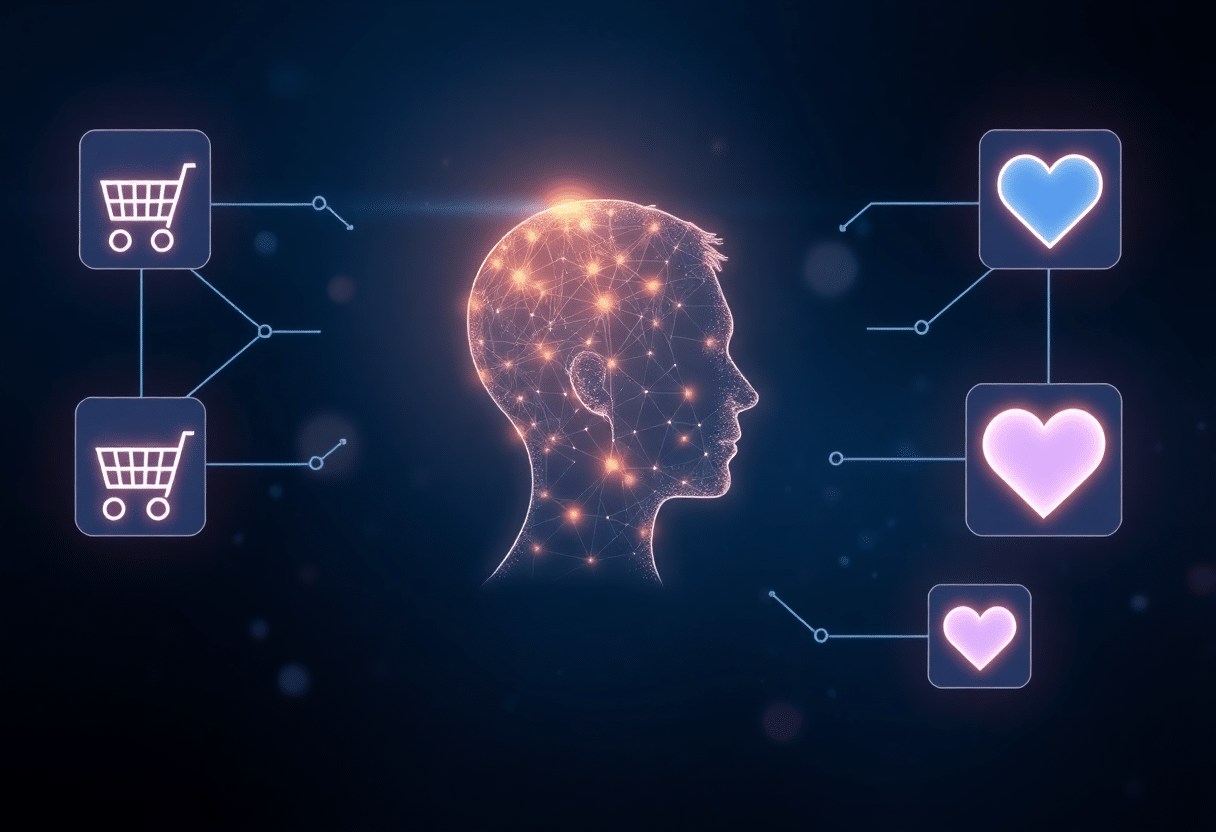
In the modern digital landscape, AI-driven personalization is no longer a luxury—it is a necessity. By leveraging data to tailor every interaction, businesses can significantly boost engagement, conversion rates, and overall customer satisfaction. From real-time recommendations to dynamic content, AI offers a scalable way to meet the rising expectations of today’s consumers.
Contents
Why AI Personalization Matters
Current market data shows that over three-quarters of consumers feel frustrated when brands fail to deliver personalized experiences. Consequently, 92% of companies are now prioritizing AI-driven strategies. Rather than manual segmentation, AI allows for “hyper-personalization” at a scale that was previously impossible.
What is AI-Powered Personalization?
At its core, AI personalization uses machine learning (ML) and natural language processing (NLP) to analyze vast datasets, including browsing history, purchase patterns, and demographic information. This technology centralizes fragmented data to predict user intent and provide real-time value.
For example, in the digital entertainment sector, platforms like Rollambia Casino utilize these predictive algorithms to curate custom experiences for their users, ensuring that every interaction is relevant to the individual’s specific interests and past behaviors.
Key Benefits of AI in Customer Experience
- Dynamic Content & Pricing: AI adjusts website elements and pricing in real-time based on market trends and user behavior, maximizing both relevance and ROI.
- Boosted Conversions: Research indicates that 60% of businesses see higher conversion rates when implementing personalized strategies.
- Cost Efficiency: Targeted AI campaigns reduce wasted ad spend and lower product return rates by ensuring customers find exactly what they need the first time.
- Enhanced Ad Targeting: With the average person seeing thousands of ads daily, AI helps your message stand out by matching it to the user’s specific demographic and behavioral profile.
The Mechanics of AI Personalization
- Data Collection: Gathering insights from various touchpoints—transactional history, device types, and contextual data like location or weather.
- Advanced Analysis: Using ML to detect patterns and predict future needs.
- Real-Time Adaptation: The system “learns” from every click. If a user shows interest in a specific category, the interface updates instantly to reflect that preference.
The Role of CDPs and Headless CMS
To achieve true personalization, businesses need the right infrastructure:
- Customer Data Platforms (CDPs): These act as a “single source of truth,” unifying data from social media, apps, and email to create a 360-degree customer view.
- Headless CMS: By separating the back-end content from the front-end presentation, a headless CMS allows AI to push personalized content across any device (mobile, web, IoT) via APIs without performance lag.
Case Study: Assembly’s Digital Transformation
Legal software provider Assembly successfully unified multiple legacy sites using a headless architecture. By integrating AI-driven tools, they doubled their publishing speed and streamlined A/B testing, proving that even complex enterprise environments can become more agile and customer-centric through AI.
Summary
The future of digital engagement is rooted in AI. By choosing the right technological stack—combining a robust CDP with a flexible headless CMS—brands can move beyond static content to create intuitive, data-backed journeys that exceed customer expectations.