
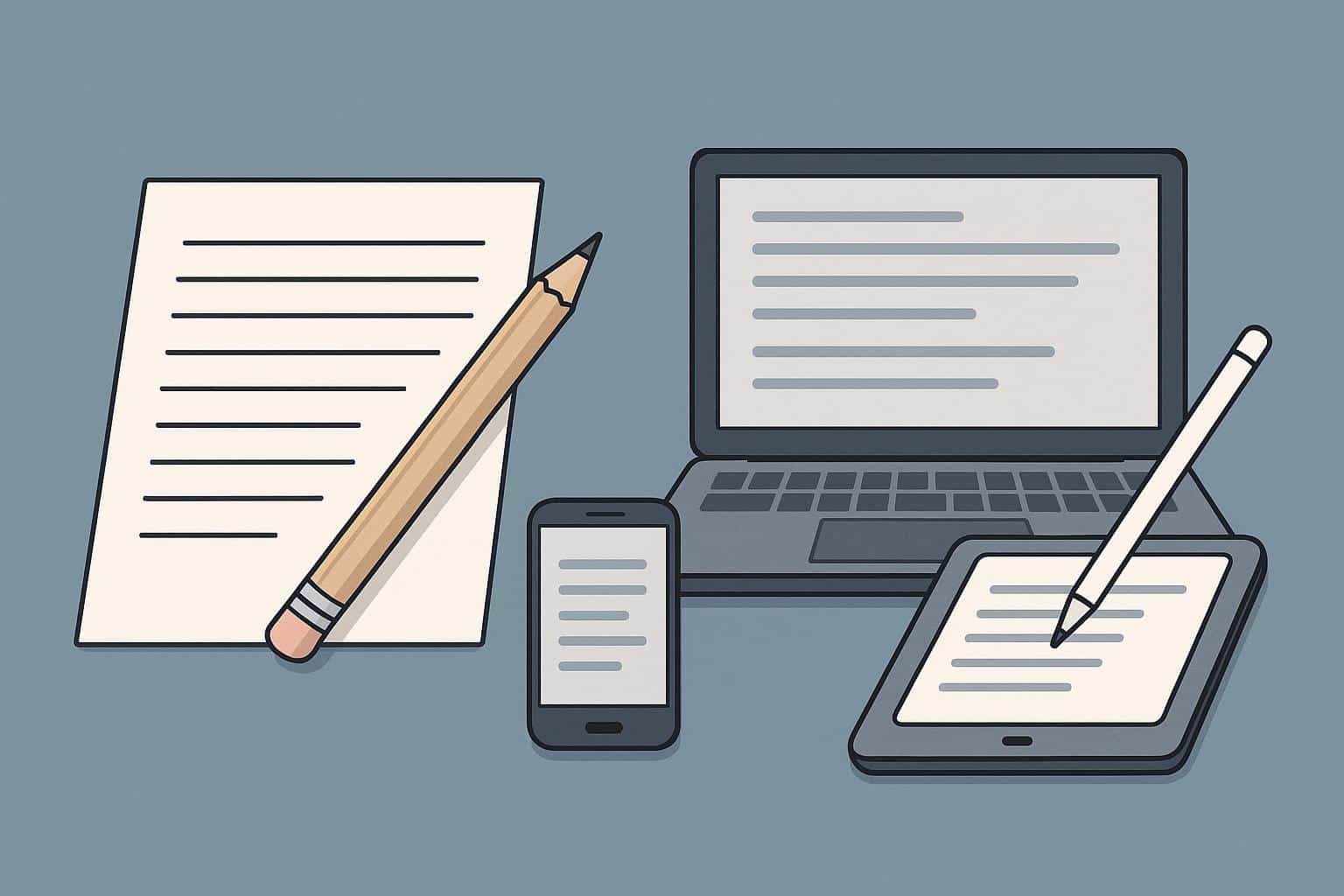
Clear communication has always been an important skill, but the way we write has changed significantly over the past decade. Students collaborate online, researchers work with international teams, and professionals communicate across time zones through emails, reports, and presentations. As digital communication continues to grow, the quality of writing has become just as important as the ideas being shared. Before submitting an assignment, research paper, business proposal, or technical document, reviewing your work with a grammar checker can help improve accuracy, readability, and overall writing quality.
Despite this shift, many people still rely on manual proofreading or basic spell check before submitting important documents. While these methods can catch obvious mistakes, they often miss issues related to grammar, punctuation, sentence structure, and clarity. Using an online grammar checker alongside careful proofreading gives writers an extra layer of review and helps identify language issues that might otherwise go unnoticed.
Contents
Writing Is Now a Core Professional Skill
Writing is no longer limited to authors or academics. It has become part of everyday communication across almost every profession.
A project manager prepares reports for stakeholders. A software developer documents product features. A healthcare professional writes patient summaries. Researchers prepare manuscripts for publication, while students complete assignments throughout their academic journey.
Although these documents serve different purposes, they all have one thing in common. Readers expect them to be clear, well organized, and easy to understand.
Poor writing can create confusion, delay decision-making, and reduce confidence in the information being presented. Strong writing, on the other hand, allows ideas to stand out without distractions caused by avoidable language mistakes.
Writing Tools Have Evolved
Not long ago, digital writing tools focused mainly on correcting spelling errors. Today, they support much broader aspects of the writing process.
Modern writing tools can help identify grammar issues, punctuation errors, repetitive wording, awkward sentence construction, and opportunities to improve clarity. Instead of replacing the writer, they assist during the editing stage by drawing attention to areas that deserve another review.
This support becomes especially valuable when working with long reports, academic papers, technical documentation, or business proposals where maintaining consistency is essential.
Academic Writing Requires Precision
Academic writing demands careful attention to language.
Assignments, dissertations, journal manuscripts, and research papers often communicate complex ideas that require precise wording and logical organization. Even small grammatical mistakes or unclear sentences can interrupt the flow of an argument and make it more difficult for readers to understand the intended message.
Reviewing academic work carefully before submission helps ensure that readers focus on the quality of the research rather than avoidable language errors.
Professional Communication Builds Trust
Every email, report, proposal, or presentation contributes to a professional reputation.
Clear communication reduces misunderstandings, supports collaboration, and helps build confidence among colleagues, clients, and stakeholders. Professional writing is not about using complicated vocabulary. It is about presenting information in a way that readers can quickly understand and act upon.
Simple language, logical structure, and accurate grammar often have a greater impact than unnecessarily complex writing.
Editing Is Still an Essential Step
No matter how experienced a writer becomes, editing remains an important part of producing high-quality work.
After spending hours working on a document, it is easy to overlook repeated words, missing punctuation, or sentences that sound natural only because the writer already knows what they intended to say.
Taking a short break before reviewing a document, reading it aloud, and checking it from the reader’s perspective can reveal issues that were easy to miss during drafting.
Technology Supports Better Writing, Not Better Ideas
Writing tools can improve grammar and readability, but they cannot replace subject knowledge, critical thinking, or creativity.
The writer is still responsible for developing original ideas, organizing information logically, supporting arguments with evidence, and ensuring that conclusions are accurate.
Technology works best when it supports the editing process rather than replacing thoughtful writing.
Continuous Improvement Matters
Strong writing develops over time.
Reading regularly, seeking constructive feedback, revising multiple drafts, and learning from previous mistakes all contribute to becoming a better writer. Every document provides another opportunity to improve communication skills.
The most effective writers understand that editing is not simply about correcting mistakes. It is about making ideas easier for others to understand.
Final Thoughts
Modern writing tools have become valuable companions for students, researchers, and professionals who want to communicate more effectively. While technology can help identify language issues, the responsibility for producing clear, accurate, and meaningful content still belongs to the writer.
Whether you are preparing a university assignment, a research paper, a technical report, or an important business document, taking the time to review your writing before submission helps ensure that your ideas are presented with clarity and confidence.