
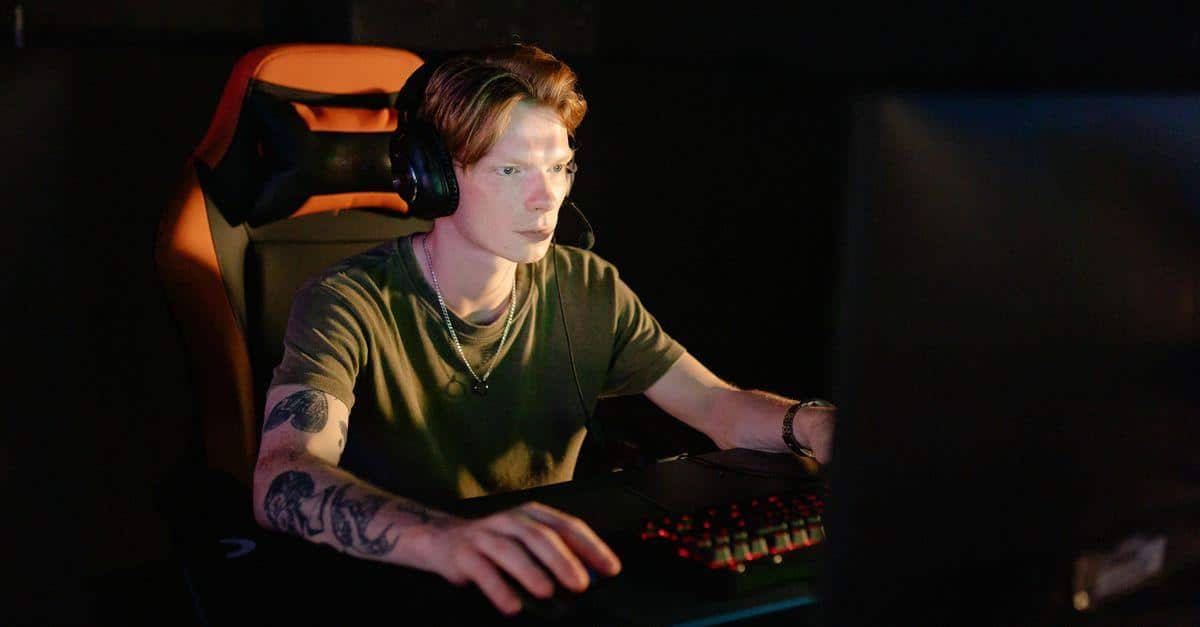
Have you noticed how online gaming now feels less like a solo hobby and more like a place where people meet?
That change did not happen overnight. Faster internet, mobile access, voice chat, flexible match formats, and player-run groups all helped turn online play into a shared social space for people with very different habits.
The result is simple but meaningful: a casual player, a competitive grinder, a parent with twenty minutes free, and a night-owl strategist can all find a place that fits their schedule, mood, and skill level.
Contents
The shift began when games stopped treating connection as an extra feature.
Early online play often focused on matching strangers for short sessions. Players joined, competed, left, and rarely built lasting ties. Over time, persistent profiles, friend systems, team queues, and shared progress gave people reasons to return with the same group instead of starting from zero each time.
Online games also became social because they created repeat contact. A player who meets the same helpful teammate, trade partner, or rival across several sessions starts to recognize patterns and personalities. That familiarity turns a match into a regular hangout, even if the players never meet offline.
Access Made The Door Wider
More people joined because online gaming became easier to reach across devices and schedules.
Mobile play changed the size and shape of the player base. A person no longer needed a dedicated setup or long free evenings to join others. Short sessions on a phone made room for commuters, students, shift workers, and people who prefer quick play over long campaigns.
Search behavior also shows how access creates small player circles, since app-focused phrases such as apk slot can lead people toward specific mobile gaming discussions, community tips, and familiar play formats.
Lower time barriers matter as much as lower device barriers. Quick matchmaking, save-anywhere systems, and drop-in sessions let people participate without planning their whole day around a game. That flexibility is a major reason online spaces include more than the most committed players.
Communication Turned Matches Into Hangouts
Social tools gave players ways to talk, coordinate, and stay connected after a session ends.
Voice And Text Made Teamwork Personal
Text chat helps players share plans, ask questions, and react in real time. Voice chat adds tone, timing, and humor, which makes teamwork feel more human. Even simple callouts can reduce frustration because players understand what others are trying to do.
Persistent Groups Built Familiar Routines
Clans, guilds, squads, and private rooms help players organize around shared habits. Some groups focus on ranked play, while others prefer relaxed sessions, teaching new members, or meeting at the same hour each week. These structures give online gaming the steady rhythm of a club.
Game Modes Created Room For Every Pace
Varied formats helped online gaming welcome players with different goals and energy levels.
Competitive modes serve players who enjoy rankings, sharp decision-making, and measurable progress. These spaces give clear feedback through wins, losses, tiers, and performance stats. For goal-driven players, that structure makes online gaming feel focused and rewarding.
Casual modes support people who want low-pressure fun. Short matches, cooperative tasks, creative rooms, and practice areas let players relax without worrying about perfect performance. This matters because many people use online games to unwind, not to prove themselves.
Cooperative formats brought in players who prefer shared success over direct competition. Working together against a challenge creates conversation naturally because players need to divide roles, share resources, and react to changing conditions. Cooperation often makes mixed-skill groups easier to manage.
Players often stay because shared goals give them a reason to care about the group.
Community forms faster when players need one another. Trading systems, team objectives, seasonal events, and group challenges create practical reasons to talk. A new player may ask for advice, a skilled player may explain a tactic, and both gain a reason to meet again.
Different communities also develop their own language. Search phrases, local slang, and repeated terms help players find people who understand the same rules and expectations. For example, phrases like slot gacor gampang menang can point to niche discussions where players gather around familiar terminology and shared interest.
These small communities are not all the same, which is the point. Some are quiet and focused, some are funny and chaotic, and some act like learning spaces. Online gaming works as a meeting place because it allows each group to set its own pace and tone.
Identity And Safety Made Spaces More Personal
Players connect more easily when they can express themselves and control their surroundings.
Profiles Help Players Show Personality
Avatars, usernames, badges, and cosmetic choices let players signal style, experience, humor, or group identity. These details give others a quick sense of who someone is before the first message is sent. Small identity markers can make a large online space feel more personal.
Moderation Helps Groups Stay Healthy
Reporting tools, mute options, private settings, and community rules help players avoid behavior that ruins sessions. Safety controls are especially valuable for newer players, younger players, and anyone who wants social play without constant conflict. Better control makes people more willing to return.
Why The Digital Meeting Place Keeps Growing
Online gaming keeps expanding as players expect social connection to be part of play.
The biggest reason is choice. Players can compete, cooperate, chat, learn, watch friends, join short sessions, or spend hours with a regular group. Few digital activities support that many social styles inside the same basic format.
Online gaming became a meeting place because it solved practical social problems. It gives people a shared activity, a reason to talk, a structure for repeat meetings, and enough variety for different personalities to feel included. That combination is why players keep showing up, not just for the game itself, but for the people waiting there.