
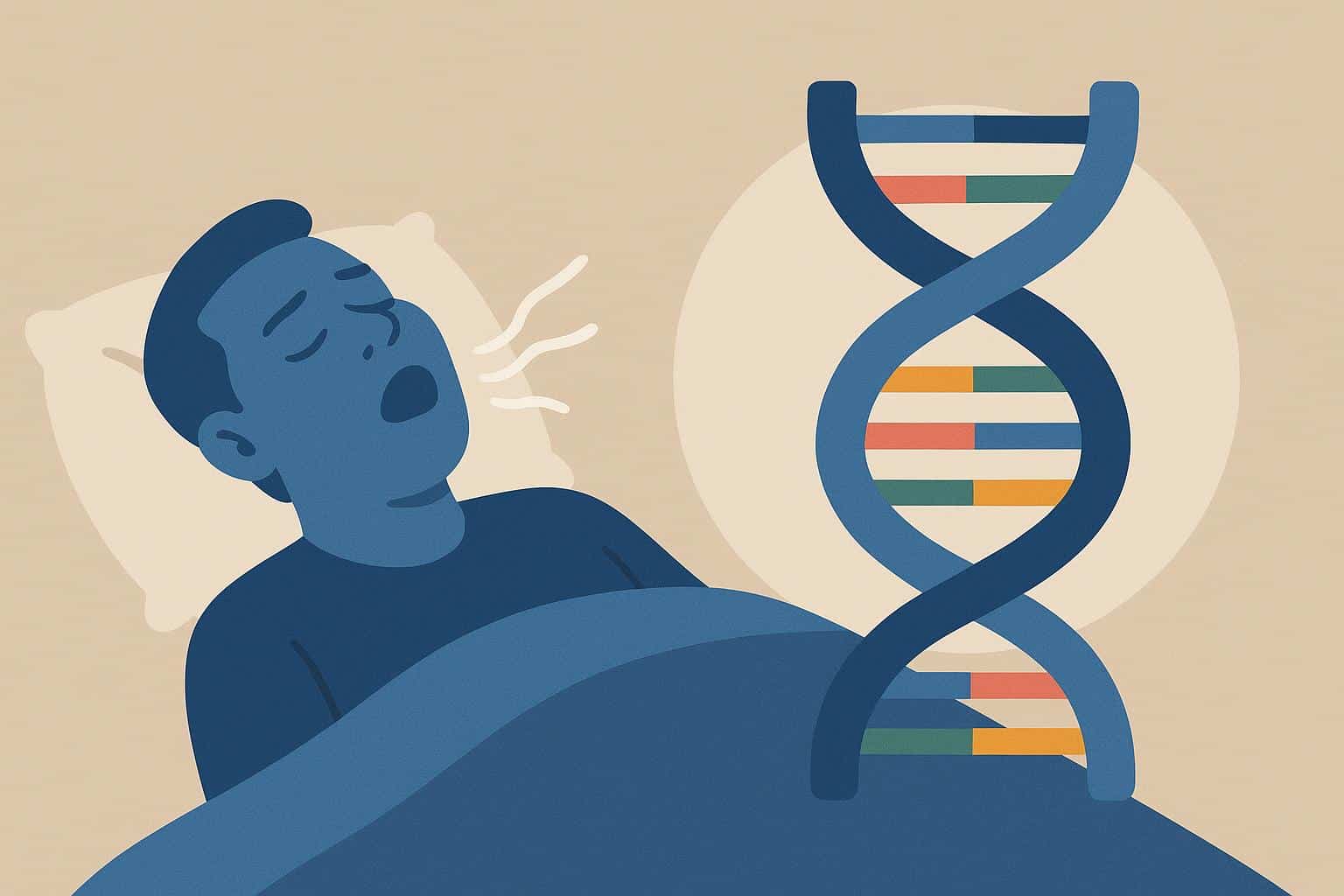
Do you wake up in the middle of the night feeling tired? You snore again, but this time it’s not you who notices it, but your partner, and they tell you that you even stopped breathing for a moment. It’s worrying to think that it could be a serious problem. These are questions many people ask themselves. This fear is even greater if you know that your father or mother had the same problem. Well, this snoring and breathing problem has a name: sleep apnea. Let’s take a look at sleep apnea, its genetic connection, and the steps you can take to manage this problem.
Additionally, studies show that sleep apnea patients have a higher frequency of anxiety than the general population, regardless of gender, so seeking help for anxiety treatment is essential to avoid this serious condition.
What is sleep apnea?
Sleep apnea is a condition in which breathing stops for brief periods during sleep. This happens when the throat muscles stop working and the soft tissues that curve back and block air flow. Generally, when a person is gasping for air, the sounds of choking or gasping alert the brain to urgent signals and awaken the person through the airway, which is normally blocked. This cycle can recur throughout the night, disrupting normal sleep.
Recognizing Warning Signs
Nighttime Symptoms
You may not even notice some of these alarming signs, but your partner might report:
- Loud and constant snoring, not normal snoring
- Times when you stop breathing completely for 10 seconds or more
- Gasping, choking, or snoring-like sounds while trying to breathe
- Restlessly tossing and turning throughout the night
- Frequent nighttime urination
- Waking up with a dry mouth or a sore throat
Daytime Symptoms
The following symptoms dominate your life:
- Feeling tired despite going to bed at the habitual time
- Falling asleep in meetings, while watching TV, or sometimes even while driving
- Morning headaches that feel like a hangover
- Difficulties with concentration and memory
- Being irritable, restless, or sad for no apparent reason
- Loss of interest in activities you previously enjoyed
Genetic Connection: What Research Shows
Sleep apnea is likely genetically inherited, especially within families. Studies have shown that genes account for approximately 35-40% of the variation in sleep apnea severity. However, it should be noted that having a family member with sleep apnea does not guarantee that other family members will also develop the condition. Furthermore, certain genetic makeups are believed to increase the risk of developing these disorders. A 2018 genome-wide association study by Jackson & Co. of Hispanic and Latino adults identified several specific genes associated with the narrowing and obstruction of the hypopharyngeal airway during sleep. These genetic mutations affect:
- The structure and size of the upper airway
- Muscle control in the neck and throat area
- How fat is distributed in the body, especially in the neck area
- How the body responds to inflammation
- How genetics influences the development of sleep apnea
- Gene-linked traits may predispose a person to sleep apnea.
Factors directly related to genetics include:
- Jaw size and position, especially a small or recessed jaw
- Airway size and length
- Tongue size and muscle tone
- The soft position of the tongue in the throat and neck may be affected by these factors
- Body fat distribution patterns
In addition, certain genes may be associated with sleep apnea. For example, TNF-α gene variants have been found to be associated with increased inflammation in people with obstructive sleep apnea (OSA). Other genes, such as PTGER3 and LPAR1, have been found to be associated with sleep apnea in different ethnic groups.
Besides genetics, other important risk factors
Modifiable risk factors:
- Excess weight, especially in the neck area
- Drinking alcohol, especially before bed
- Smoking habits
- Sleeping position (sleeping on the back increases the risk)
- Poor sleep hygiene habits
Some non-modifiable risk factors:
- Age (those over 40 are at higher risk)
- Gender (men are 2-3 times more likely to develop OSA)
- Ethnic background (certain groups have higher rates)
- Facial structure and airway size
Genetic conditions that increase the risk of sleep apnea
Several genetic disorders increase the risk of sleep apnea, which is explained by some cases:
- Down syndrome
- Prader-Willi syndrome
- Muscular dystrophy
- Cerebral palsy
- Cleft lip and palate
Is sleep apnea curable?
Sleep apnea cannot be treated conventionally, but it can be successfully managed. The effectiveness of therapy depends on the underlying cause, the severity of the condition, and the patient’s commitment to treatment.
Treatment Methods
- CPAP machines: A type of device that is quite effective in moderate to severe cases
- Oral appliances: Custom-fitted devices that reposition the jaw
- Positional therapy: Devices that prevent sleeping on the back or stomach
- Surgery: To correct serious health problems
Lifestyle changes, such as:
- Weight loss
- Avoid drinking alcohol before bed
- Sleep on your side instead of on your back
- Maintain a regular sleep schedule
- Quit smoking
Sleep Apnea and Mental Health
Sleep apnea involves more than the stopping of breathing at night. It creates a vicious cycle that significantly impacts a person’s or caregiver’s mental and emotional well-being. Many people don’t realize that untreated sleep apnea can lead to increased psychiatric symptoms, which can interfere with daily activities.
How does sleep apnea affect mental health?
When your brain doesn’t get enough oxygen during sleep, the parts that control mood and thinking are affected. This leads to several psychological challenges:
- Depression
- Anxiety
- Irritability
- Difficulty remembering or concentrating
- Mood swings
The role of psychiatric care in sleep apnea treatment
Psychiatrists are crucial in helping most sleep apnea patients cope with both their sleep problems and mental illness. They are aware of the connection between poor sleep and mood.
Psychiatric care for sleep apnea includes:
- Identifying depression and anxiety
- Developing a comprehensive treatment plan
- Prescribing antidepressants to improve mood while ensuring uninterrupted sleep
- Treating the stress and anxiety associated with sleep problems with psychotherapy
- Providing training on how to cope with daytime fatigue
When to seek psychiatric help?
If you have sleep apnea and feel depressed, it is best to seek help from a mental health professional specializing in sleep disorders. Seek help if you have:
- Anxiety that interferes with daily activities
- Feeling depressed or hopeless for more than two weeks
- Panic attacks or anxiety that disrupts natural sleep patterns
- Thoughts of self-harm
- Impact on relationships due to mood swings
- Problems with productivity at work or home
The best results are achieved when a sleep physician and a mental health expert work together. Treatment programs using this multidisciplinary approach are effective in treating both the physical and psychological symptoms of sleeplessness. Some treatments that may be used include CPAP therapy, counseling, or medications. For medication management, you can consult a board-certified online psychopharmacologist who specializes in brain biochemistry, receptors, and developing medication protocols.
It’s important to remember that when mental health issues are linked to sleep apnea, seeking help is not a sign of weakness but a sign of strength. It’s important to overcome breathing difficulties and maintain emotional well-being during sleep apnea.