
Contents
- Why ECBA Certification Became More Accessible in 2026
- Understanding ECBA Certification
- What Were PD Hours?
- How the Removal of PD Hours Changed ECBA Prep
- More Freedom in Learning
- Does This Mean ECBA Training Is No Longer Important?
- Why Employers Still Focus on Skills
- Smart ECBA Preparation Strategy for 2026
- Final Thoughts
Why ECBA Certification Became More Accessible in 2026
As a senior business analyst who has mentored aspiring professionals for years, I have seen many candidates delay their ECBA certification journey because of one major requirement: PD hours.
For a long time, candidates needed Professional Development hours before becoming eligible for the ECBA exam. While the purpose was to encourage structured learning, it also created barriers for freshers, career switchers, and working professionals.
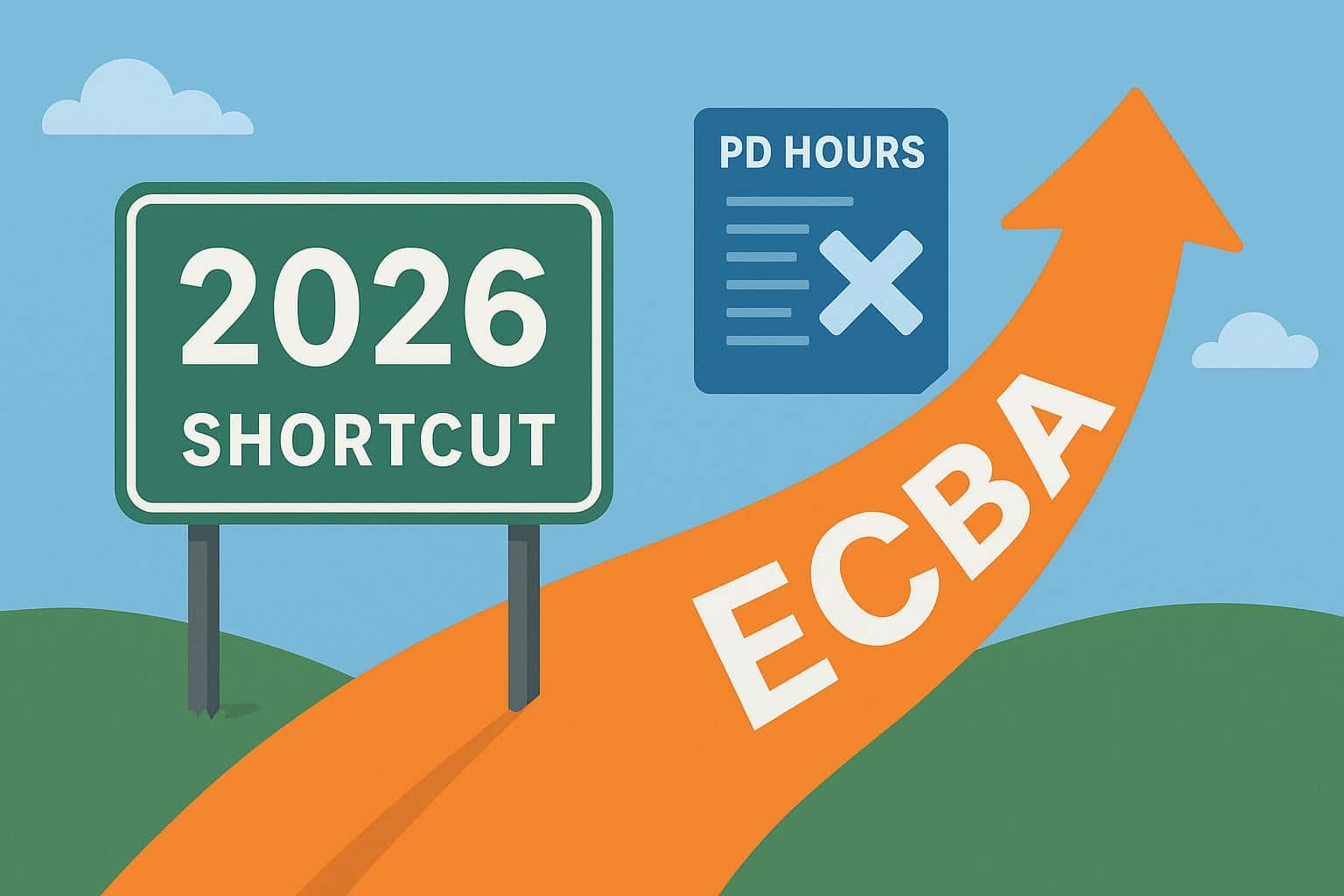
In 2026, the removal of PD hours changed the ECBA preparation process completely.
Today, candidates can prepare faster, plan their certification journey better, and enter the business analysis field more easily than before.
But this change also raises an important question.
Does removing PD hours make ECBA certification easier?
The answer is both yes and no.
Understanding ECBA Certification
The Entry Certificate in Business Analysis or ECBA is one of the most popular certifications for aspiring business analysts.
It is designed for:
- Fresh graduates
- Junior professionals
- Career switchers
- IT professionals entering business analysis
- Professionals interested in Agile and requirements gathering
The ECBA exam is based on the BABOK Guide and tests foundational business analysis concepts such as:
- Requirements elicitation
- Stakeholder management
- Business analysis planning
- Requirement lifecycle management
- Business analysis techniques
Because of its global recognition, ECBA certification has become one of the top choices for beginners entering the business analysis profession.
What Were PD Hours?
Previously, candidates had to complete Professional Development hours through:
- ECBA training programs
- Business analyst certification courses
- Instructor-led workshops
- Online learning sessions
The goal was to ensure candidates received structured business analyst training before appearing for the certification exam.
However, many candidates struggled with:
- Expensive training costs
- Limited access to quality learning
- Lack of time for classroom sessions
- Delays in exam preparation
As someone who has guided many ECBA aspirants, I often noticed candidates spending more time completing eligibility requirements than actually preparing for the exam.
That is why the 2026 update became a game changer.
How the Removal of PD Hours Changed ECBA Prep
Faster Certification Process
The biggest advantage is speed.
Candidates can now directly focus on ECBA exam preparation without waiting to complete mandatory training hours.
This is especially useful for:
- College graduates
- Working professionals
- Career changers
- Professionals targeting quick career growth
The certification process has become more flexible and learner-friendly.
More Freedom in Learning
The removal of PD hours gives candidates greater control over how they prepare.
Today, candidates can:
- Study independently
- Use BABOK resources
- Practice mock tests
- Learn through online communities
- Follow practical case studies
This flexibility has made ECBA certification accessible to a larger audience globally.
Does This Mean ECBA Training Is No Longer Important?
Absolutely not.
This is one of the biggest misconceptions candidates have today.
The ECBA exam still tests practical understanding of business analysis concepts. Without proper guidance, many candidates struggle with:
- BABOK terminology
- Scenario-based questions
- Requirements analysis concepts
- Stakeholder communication
Structured ECBA training still provides significant value because it helps candidates understand how business analysis works in real projects.
Many aspiring professionals still choose programs like the ECBA training course offered by Techcanvass because it combines certification preparation with practical business analyst skills.
A good business analyst course helps candidates:
- Understand Agile concepts
- Learn requirement gathering techniques
- Improve interview preparation
- Practice real-world scenarios
- Build confidence for business analyst roles
Why Employers Still Focus on Skills
The removal of PD hours simplified the eligibility process, but companies still prefer candidates with practical business analysis knowledge.
Hiring managers look for professionals who can:
- Gather requirements effectively
- Communicate with stakeholders
- Write user stories
- Support Agile projects
- Analyze business processes
This is why candidates who combine ECBA certification with practical training often perform better during interviews.
Certification opens opportunities, but practical understanding helps candidates grow in their careers.
Smart ECBA Preparation Strategy for 2026
The best candidates are using the new flexibility wisely.
Learn BABOK Basics Properly
Understanding core business analysis concepts is essential for long-term success.
Practice Mock Tests Regularly
Mock exams improve:
- Time management
- Accuracy
- Exam confidence
- Understanding of question patterns
Focus on Real Business Scenarios
Modern ECBA preparation is not about memorization.
Candidates who understand practical business situations perform much better in both exams and interviews.
Final Thoughts
The removal of PD hours has changed ECBA preparation forever.
The certification journey is now faster, more accessible, and more flexible for aspiring business analysts.
However, candidates should not mistake easier eligibility for easier success.
The ECBA exam still requires strong understanding of business analysis concepts, stakeholder management, requirements gathering, and Agile fundamentals.
The smartest approach in 2026 is simple:
- Build strong fundamentals
- Learn practical business analysis skills
- Practice consistently
- Use quality ECBA training when needed
ECBA certification remains one of the strongest entry points into the business analysis profession, and the new process has made it easier than ever for motivated professionals to begin their journey.