
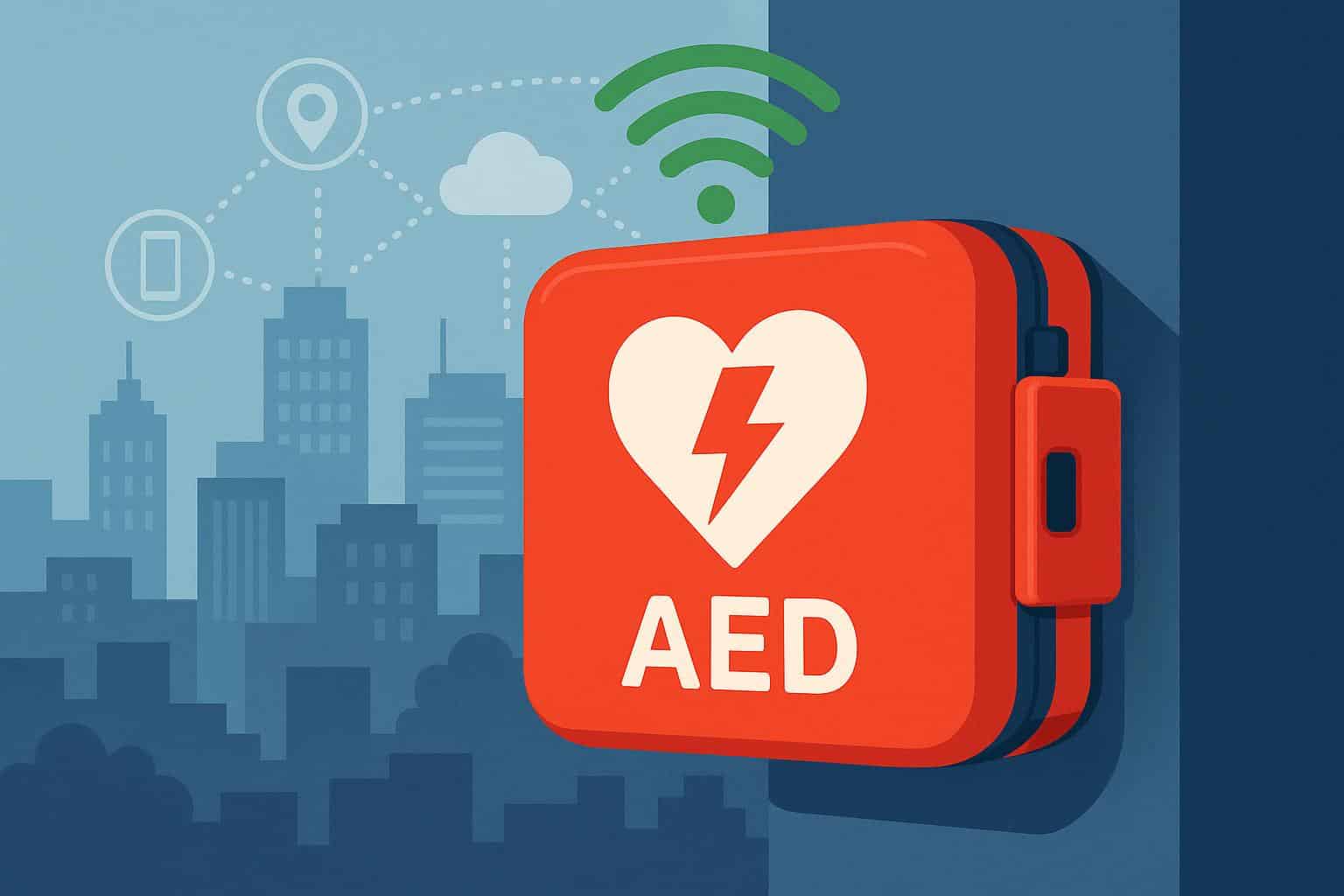
The traditional image of an Automated External Defibrillator (AED) as an isolated, silent sentinel is rapidly fading. We are entering an era where these critical devices are becoming intelligent, connected nodes in a broader ecosystem of emergency response and proactive health management. This evolution from static tool to dynamic partner represents a quantum leap in public safety, offering unprecedented advantages for program managers and emergency services alike. This shift is being pioneered by engineering-focused companies like Kuteras Teknoloji, whose work in integrated systems for professional care and OEM defibrillator module platforms provides the ideal foundation for smart innovation in the public realm.
Connectivity in an AED, via Wi-Fi or cellular networks, introduces two transformative capabilities: proactive maintenance assurance and enhanced emergency response integration. A connected Kuteras automatic external defibrillator performs its daily self-tests and automatically transmits status reports to a cloud-based dashboard. This eliminates the fragile, manual process of monthly visual checks. Facility managers or safety officers receive instant, actionable alerts for a low battery, an expired electrode pad, a system fault, or even if the cabinet door has been opened. This transforms AED program management from a reactive, paper-based chore into a proactive, automated, and fully auditable process, guaranteeing with near-certainty that every device is rescue-ready at all times.
During an actual cardiac arrest event, connectivity unlocks even greater potential. When the device is deployed, it can simultaneously send an alert to on-site security teams, building management, and a central monitoring service, providing the exact GPS or building location of the emergency. For advanced systems, this data stream can include crucial pre-arrival information for Emergency Medical Services (EMS), such as the initial heart rhythm analyzed or the time of first shock. This seamless flow of information tightens every link in the Chain of Survival, allowing professional responders to be better prepared the moment they arrive on scene.
The capability to develop such reliable, secure, and integrated systems stems from a mindset of holistic systems engineering. Companies like Kuteras, which design complex biphasic defibrillator monitors for hospital networks and versatile modules for OEM integration, possess inherent expertise in managing real-time data streams, ensuring secure transmission, and creating stable firmware for networked medical devices. The “smart” functionalities in their public automatic defibrilatör /otomatik defibrilatör are not an add-on; they are a logical extension of their core competency in building communicative and interoperable medical systems.
For public health and corporate safety, the implications are profound. A connected AED program means a dramatically reduced administrative burden and a near-zero risk of device failure due to overlooked maintenance. It also creates a powerful tool for continuous quality improvement. Following a rescue, reviewing the precise event data can help organizations refine emergency response protocols, target training more effectively, and optimize AED placement based on real-world usage patterns. This creates a virtuous cycle of learning and enhancement that makes the entire safety ecosystem more resilient and effective.
Investing in connected AED technology from a provider with deep systems integration experience is an investment in operational excellence and actionable intelligence. It moves community safety from a static array of hope to a dynamic, intelligent network—a network where every unit is an active guardian, constantly verifying its readiness, capable of summoning coordinated help, and ensuring that when a heart stops, the response is not only swift but also informed, measured, and optimized to give the victim the greatest possible chance of survival.