
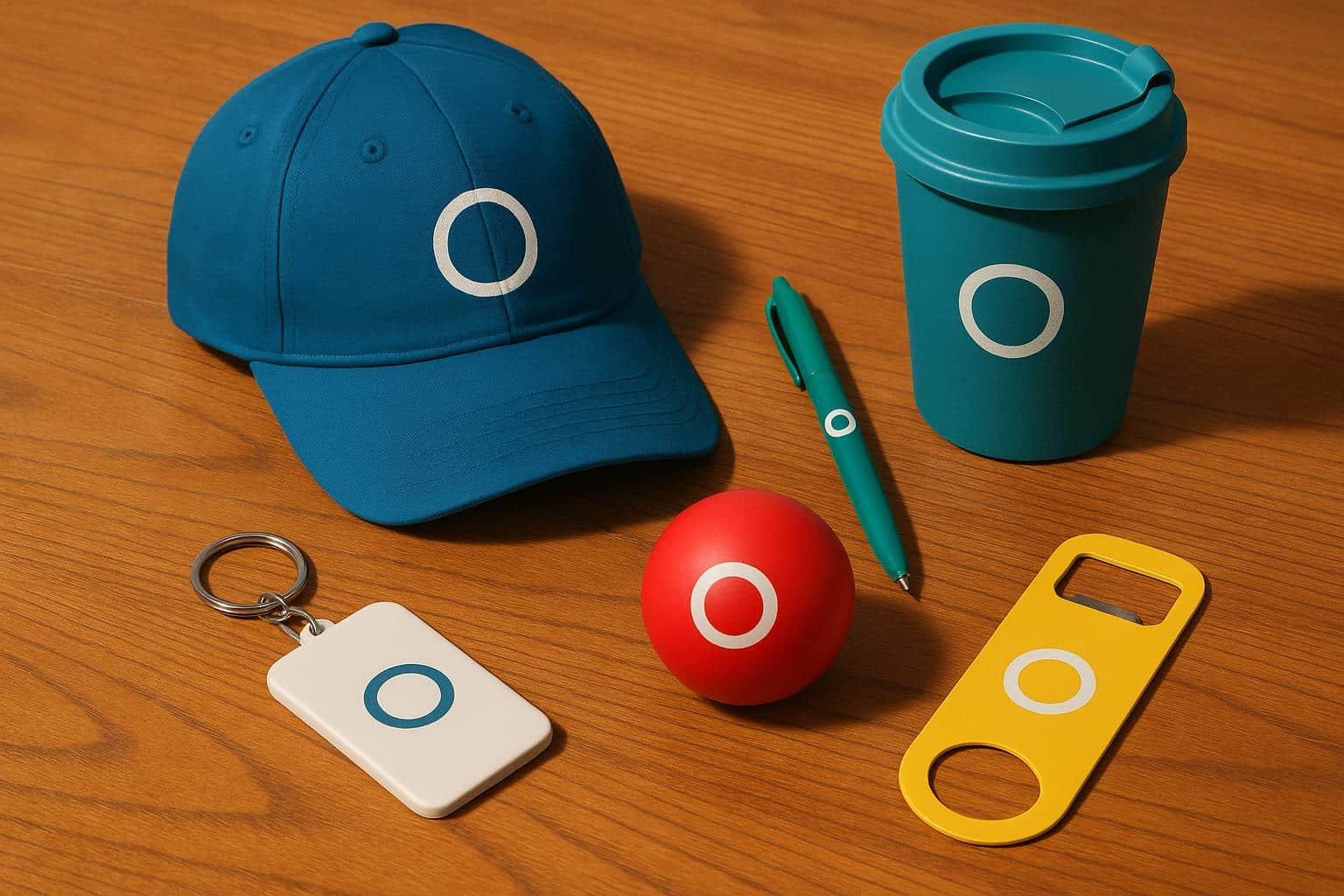
Some branded items disappear almost instantly. Pens dry out in drawers, flyers go straight into recycling, tote bags multiply until nobody knows where they came from, and fridge magnets sit quietly under takeaway menus for years without anyone really noticing them. But every now and then, a promotional object becomes genuinely useful enough to stick around.
That’s the interesting thing about practical brand merchandise. It can outlive the campaign, the event and even the original reason it was made. Something like Balter’s stubby holders can end up in the kind of everyday rotation brands usually have to work much harder to reach: beach bags, barbecues, camping tubs, picnic baskets, kitchen drawers, gloveboxes and shared house cupboards where nobody quite remembers who bought what.
Contents
Usefulness Is Hard to Fake
A lot of merchandise fails because it’s made for the brand first and the person second. The logo is too large, the item is too flimsy, or the object itself isn’t something people actually want. It may technically create exposure, but only for the few seconds before it’s politely accepted and quietly forgotten.
The best branded objects work the other way around. They start by being useful, familiar or enjoyable. The branding is part of the object, but it doesn’t overwhelm it. People keep it because it does a job. The fact that it carries a brand name becomes secondary, which is often exactly why it works.
That’s especially true for items connected to social habits and outdoor living. Australians are very good at keeping little practical things around if they make life easier at the beach, in the backyard or on a road trip. A stubby holder, a cap, a towel, a cooler bag or a simple reusable cup can stay in circulation for years because it belongs to a setting people return to again and again.
The Junk Drawer Is a Branding Test
If a branded item survives the junk drawer, it’s probably doing something right. That drawer is where objects go to be judged by usefulness over time. Spare keys, batteries, tape, old chargers, takeaway menus, random screws, measuring tapes, lighters, bottle openers and mystery cables all end up there. Anything that isn’t useful eventually gets thrown out during a rare burst of household discipline.
Practical merchandise has a better chance because it doesn’t need to be admired. It just needs to be grabbed at the right moment. Someone is packing for a picnic and needs something from the drawer. Someone is heading to a barbecue and remembers there’s a holder in the car. Someone is cleaning out the camping gear and decides it’s worth keeping because it’ll probably be needed again.
That repeated usefulness creates a kind of quiet familiarity. The brand isn’t interrupting anyone. It’s simply present when the item is used. Over time, that can become more powerful than a louder campaign that people notice once and forget.
Small Objects Can Carry Big Associations
A promotional item doesn’t have to tell a full brand story on its own. It just needs to attach itself to good moments. If it shows up at a warm afternoon gathering, a weekend away, a birthday, a backyard lunch or a camping trip, it begins to collect the mood of those occasions.
That’s where merchandise becomes more than a freebie. It becomes part of the scenery. The item might not be precious, but it’s familiar, and familiarity is valuable. People are more likely to feel warmly towards a brand they associate with relaxed, useful or enjoyable moments than one they only encounter through advertising.
Of course, not every branded object earns that place. The difference usually comes down to quality, timing and fit. If the item feels cheap, awkward or irrelevant, people won’t keep it just because it has a logo. But when the object suits the audience and the moment, it can move naturally through real life in a way that feels effortless.
Why Practicality Beats Novelty
Novelty can get attention, but practicality earns a place. A strange promotional item might be funny for a minute, but a useful one gets packed, shared, borrowed, washed, lost, found and used again. That ordinary repetition is underrated.
Brands often want to create memorable moments, but sometimes the better move is to create useful objects that keep turning up in memorable moments others are already having.
The Best Merchandise Doesn’t Feel Like Merchandise
The branded objects people keep aren’t usually the flashiest ones. They’re the ones that fit into existing habits so naturally that nobody questions why they’re still around. When a small item becomes part of someone’s weekend kit, travel box or kitchen drawer, it has done something most marketing can’t: it’s earned space in real life.