
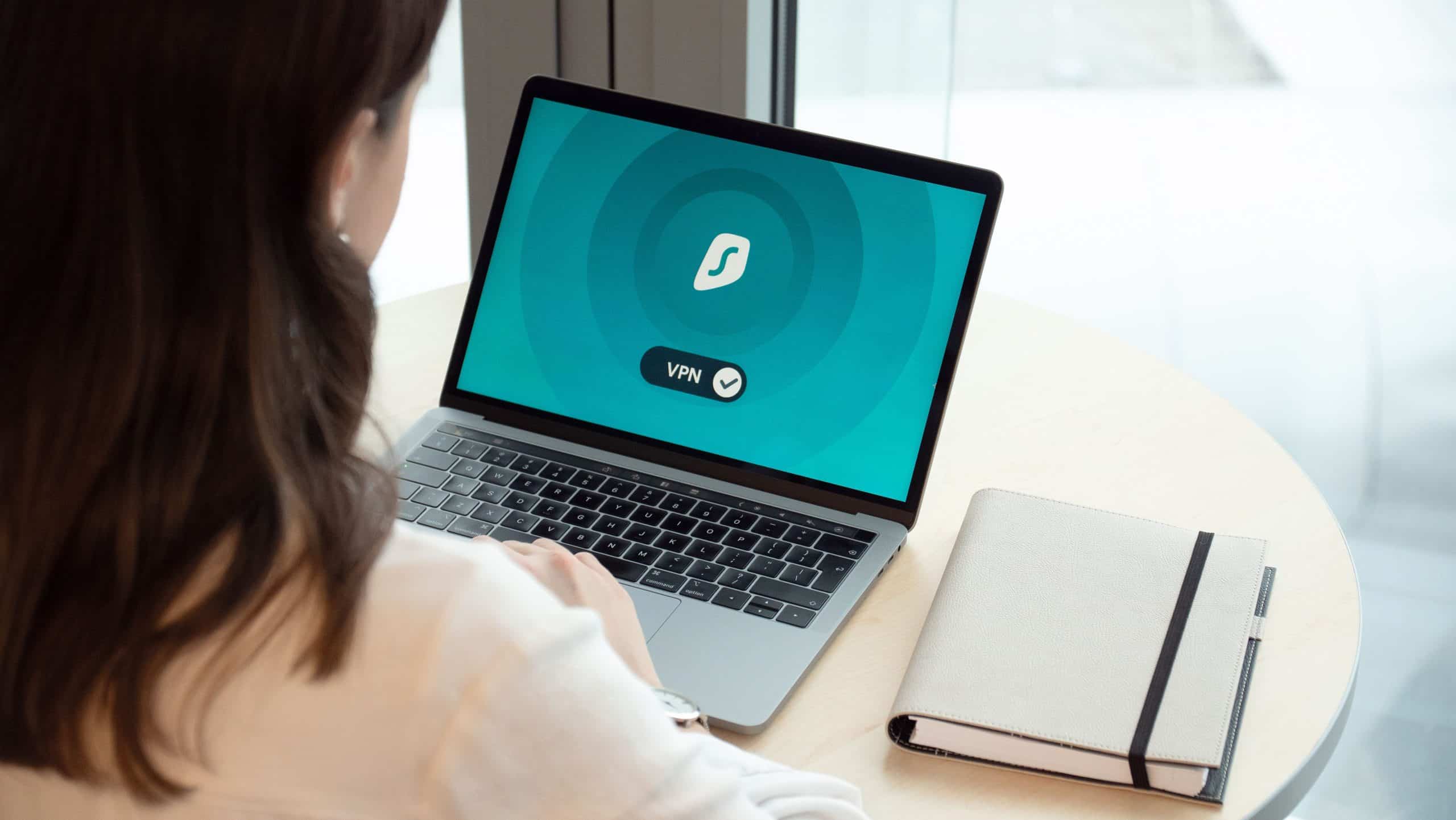
Remote access had a complete different connotation just a few years ago, before COVID. It was simply about some employees who’d connect to the company server through VPN while traveling.
But that changed as the global pandemic made remote working or hybrid work a norm. Nowadays, people connect to their work systems from branch offices, homes, airports, and also unmanaged networks.
The new way of working is here, and it’s here to stay. Simultaneously, new security problems are also here.
Security teams see the consequences firsthand. Phishing campaigns target remote workers, stolen credentials fuel account takeovers, and misconfigured cloud services create unexpected exposure points.
According to guidance from the U.S. National Institute of Standards and Technology (NIST), organisations are increasingly moving toward zero-trust principles because network location alone can’t be treated as proof of trust.
That’s where a SASE Solution enters the conversation, bringing networking and security controls closer to users, devices, and applications rather than relying on a centralised security choke point.
Contents
Why Traditional Remote Access Models Are Struggling
Remote access wasn’t designed for the way most organisations operate now.
In many environments, VPN infrastructure funnels traffic through a central location before users can reach cloud applications. The arrangement works, but it can add latency, create management headaches, and expand the impact of compromised credentials.
The security problem is even harder to ignore. Once a user gains network-level access, visibility and segmentation become critical. If those controls aren’t mature, an attacker may be able to move farther than intended. That’s why it’s important to have an Enterprise SASE Solution for Businesses.
A mid-size financial services firm shifting key workloads to cloud platforms often discovers this quickly. Employees connect from multiple locations. Contractors need temporary access. Third-party integrations multiply. Suddenly, maintaining consistent policy enforcement becomes more difficult than the infrastructure migration itself.
The Shift Toward Identity-Centric Access
Location used to drive security decisions.
Now identity, device posture, and context matter more.
Modern access decisions can factor in details such as:
- User identity and role
- Device health status
- Geographic location
- Application sensitivity
- Time of access
- Risk signals from security controls
This approach aligns closely with the principles outlined in NIST’s Zero Trust Architecture framework, which recommends continuous verification rather than implicit trust based on network placement.
A SASE Solution supports this shift by combining connectivity and security services into a cloud-delivered model. Instead of treating every remote user as if they need broad network access, organisations can provide direct access to specific applications and resources.
That sounds simple. In practice, it’s a meaningful change.
Key Components That Make SASE Effective
Here are the key components that make SASE solutions effective:
Secure Web Access
Much of today’s work happens through browsers, SaaS platforms, and cloud applications.
Secure web gateways help inspect and govern internet traffic, reducing exposure to malicious websites, phishing attempts, and risky downloads. For organisations managing distributed workforces, applying these controls consistently can be challenging without cloud-based enforcement points.
Zero Trust Network Access (ZTNA)
ZTNA narrows access to approved applications rather than extending broad network connectivity.
Think about the difference. An employee who needs access to a customer relationship management platform probably doesn’t need visibility into internal development environments or finance systems. ZTNA supports that level of granularity.
It’s not a silver bullet. Nothing is. But it does reduce the attack surface available to threat actors who obtain valid credentials.
Cloud-Based Security Inspection
Security teams often ask an uncomfortable question: if traffic never touches the corporate network, how do we inspect it?
A SASE architecture addresses that concern by applying security controls through distributed cloud points of presence. Inspection can occur closer to users and applications without forcing all traffic through a traditional data centre. The result is often better performance alongside stronger visibility.
The Business Case Goes Beyond Security
Security leaders frequently struggle to justify investments using risk alone.
Remote access issues create operational costs too.
Consider the hidden expenses associated with legacy approaches:
- VPN maintenance and upgrades
- Troubleshooting connectivity issues
- Managing fragmented security tools
- Supporting users across multiple environments
- Handling policy inconsistencies
Those costs accumulate quietly.
A SASE Solution can help reduce operational complexity by consolidating functions that many organisations previously managed separately. Networking and security teams gain a more unified operating model, which matters when skilled personnel remain difficult to hire and retain.
What Should Security Teams Evaluate?
The term “SASE” appears in countless product discussions, but not every deployment produces the same outcome.
Before selecting an approach, security leaders should examine several practical areas.
Visibility
Can analysts see user activity, application usage, and policy actions from a centralised interface?
Fragmented visibility often slows investigations and increases response times.
Policy Consistency
A policy applied at headquarters should work the same way for a remote employee connecting from another region. Consistency sounds obvious. It rarely is.
Scalability
Remote work patterns aren’t static. Mergers, acquisitions, contractor onboarding, and cloud expansion can quickly change access requirements. Solutions should scale without requiring major architectural redesign.
Support for Zero Trust Initiatives
Many organisations have adopted zero-trust roadmaps. Others are still developing them.
Either way, remote access platforms should align with that direction rather than creating additional dependency on implicit trust models.
Where do Popular SASE Solutions Fit into the Conversation?
Organisations exploring secure remote access strategies often evaluate platforms that integrate networking and security capabilities under a unified architecture.
For teams researching an Enterprise SASE Solution for Businesses, several enterprise-level vendors provide a unified SASE approach that combines secure access, security inspection, and policy enforcement within a single framework.
The broader lesson isn’t about any particular technology provider. It’s that remote access can no longer be treated as a standalone connectivity project. Security architecture, user experience, compliance requirements, and operational efficiency are now deeply connected.
Organisations can also explore security and networking topics through different resources available on this platform. We discuss modern infrastructure and digital transformation trends affecting enterprise environments.
The Risk of Waiting Too Long
Many security initiatives begin after an incident, not before one. A compromised account. An unmanaged device. A remote access gap that wasn’t visible until someone exploited it.
Those scenarios aren’t rare. They’re the kinds of issues discussed in post-incident reviews across industries.
A modern SASE Solution won’t eliminate every security challenge, and anyone claiming otherwise is oversimplifying a complex problem. What it can do is help organizations align remote access with how people actually work today. That’s becoming less of a technology preference and more of a business requirement.
As remote work, cloud adoption, and distributed operations continue to expand, the organizations that rethink access architecture now will likely be in a stronger position to contain risk, maintain visibility, and support users without sacrificing security.