
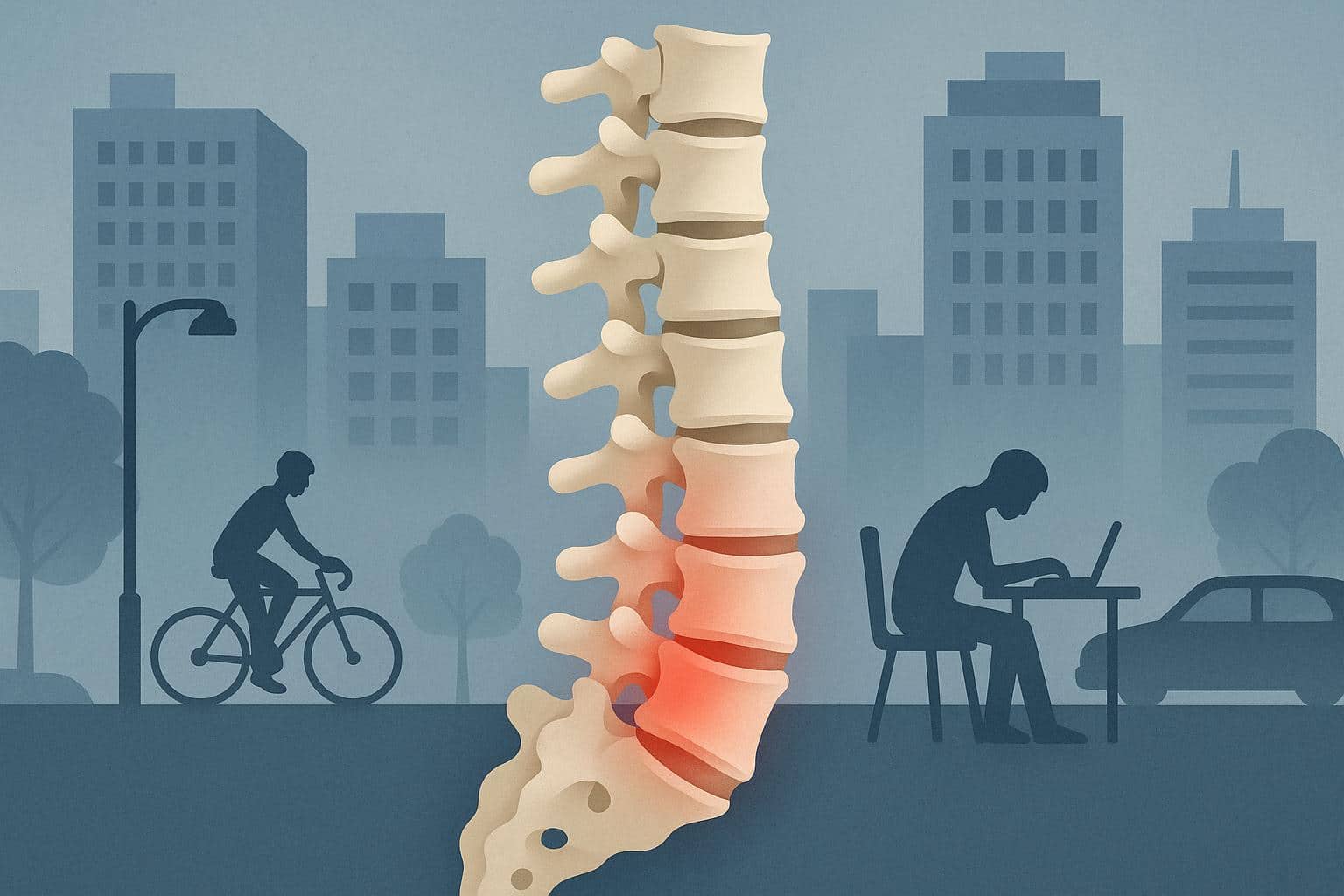
Back pain has a way of creeping into everyday life. Sometimes it starts with a stiff morning, sometimes with a long day at a desk, and sometimes with no obvious trigger at all. What makes it so frustrating is that modern routines often involve a lot of the exact things our bodies aren’t especially good at tolerating for hours on end: sitting, repetitive movement, screen time and long stretches in the same position.
That’s part of why so many people start looking beyond the obvious fixes once discomfort becomes persistent. Thing like deep tissue massage for back pain are often explored alongside movement, stretching, exercise and changes to daily habits. The useful question usually isn’t “What’s the one perfect fix?” so much as “What combination of small changes helps my back cope better with the way I actually live?”
Contents
Sitting Is More Demanding Than It Looks
Sitting feels passive, but staying in one position for long periods can place a surprising amount of strain on the body. Office workers are obvious candidates, but the same applies to drivers, students, gamers and anyone who spends hours on a laptop.
The problem is often less about sitting itself and more about how long you stay still. Even a good chair can only do so much if you barely move for three or four hours. Muscles tighten, posture starts to drift and you gradually sink into whatever position feels easiest.
Small interruptions can make a difference. Standing up during phone calls, walking to refill your water bottle or taking a few minutes to move between tasks can break up long periods of inactivity without requiring a dramatic lifestyle overhaul.
Phones Have Changed the Way We Hold Ourselves
It’s hard to imagine daily life without a phone now, but the way we use them can be rough on the upper back and neck. Looking down at a screen for extended periods encourages the head and shoulders to drift forward, especially when you’re sitting on a couch or scrolling in bed.
That doesn’t mean you need to stop using your phone. It just helps to notice the position you’re in. Bringing the screen closer to eye level, changing positions regularly and avoiding long sessions in the same hunched posture can reduce unnecessary strain.
The same applies to laptops. They’re convenient precisely because they can be used almost anywhere, but “anywhere” often means kitchen benches, couches, beds and other setups that weren’t designed for hours of work.
Stress Can Show Up Physically
Back discomfort isn’t always purely mechanical. Stress can affect the way people hold tension through their shoulders, neck and lower back, sometimes without them even noticing.
If you’ve ever realised your shoulders are practically touching your ears during a hectic workday, you’ve seen this in action. The body can stay in a guarded, tense state for hours, which may contribute to stiffness and discomfort.
Finding ways to unwind can therefore be useful for more than just your mood. Walking, exercise, stretching, breathing exercises, massage or simply taking proper breaks can all help reduce that constant physical tension.
Movement Usually Beats Waiting for the Perfect Workout
People sometimes assume the answer to back pain must involve an elaborate gym program, but everyday movement matters too. Walking, changing positions, doing household jobs and generally avoiding long periods of inactivity can all help keep the body from getting too stiff.
Consistency is usually more realistic than intensity. A short walk every day is easier to maintain than an ambitious workout routine you only manage once every fortnight.
That said, if pain is ongoing, severe or affecting your ability to do normal activities, it’s worth seeking professional advice rather than simply pushing through it. Back pain can have many different causes, and the right approach depends on what’s actually going on.
Your Workstation Doesn’t Need to Be Perfect
Ergonomics can sound like a complicated science involving expensive chairs and perfectly measured desks, but the basics are fairly straightforward. Your screen should be easy to see without constantly leaning forward, your chair should support you comfortably, and frequently used items should be within easy reach.
The best workstation, though, is still one you move away from regularly. Even an ideal setup won’t completely cancel out eight uninterrupted hours in the same posture.
If you work from home, this can be especially important because it’s easy for boundaries to disappear. You might start the morning at a desk, move to the couch and then realise you’ve barely stood up all afternoon.
Pay Attention Before Your Back Demands It
One of the most useful habits is learning to notice discomfort before it becomes the main event. That slight stiffness after a few hours at the computer, the ache that appears after a long drive or the tightness you feel at the end of a stressful week can all be useful signals.
Rather than waiting until your back is so uncomfortable that it dictates your day, making small adjustments earlier can be much easier. Move more often, change your setup, build in breaks and pay attention to what repeatedly seems to trigger discomfort.
Modern life probably isn’t going to become less screen-heavy or less sedentary anytime soon. The goal isn’t to build a perfectly back-friendly existence. It’s to make enough practical changes that your body isn’t constantly paying the price for the way the rest of your day is structured.