
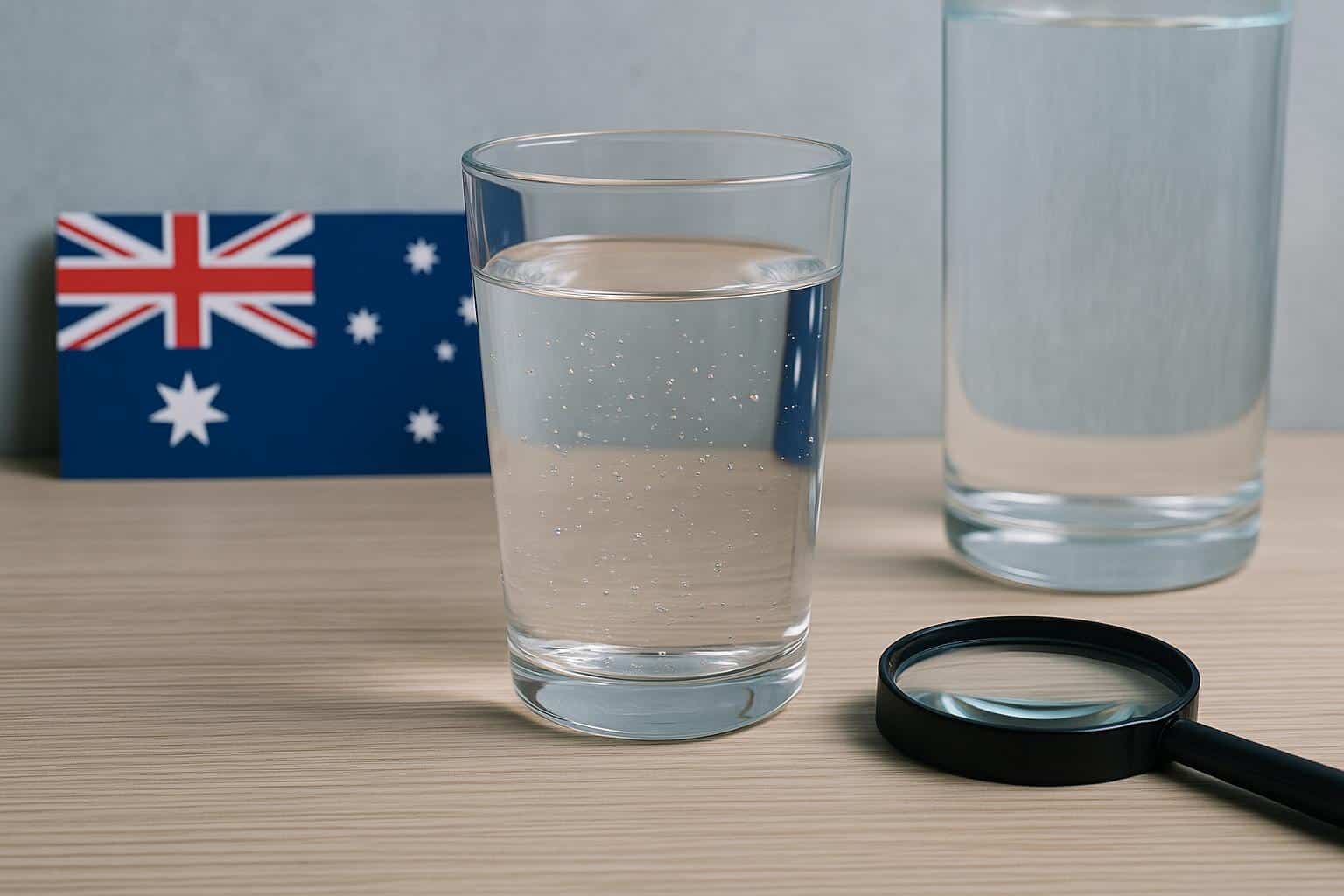
Most of us turn on the tap without giving much thought to what’s actually in the glass. If the water looks clear, tastes normal and comes from the mains, that’s usually the end of the conversation.
Lately, though, more people are paying closer attention to water quality, filtration and the difference between water sources. Services like Wallaby Water are part of a broader shift towards people wanting to know more about where their drinking water comes from and what options are available to them.
Contents
Taste Is Often the First Thing People Notice
Water can taste noticeably different from one place to another.
Mineral content, treatment processes, pipes and local water sources can all affect flavour. Some people barely notice the difference, while others are surprisingly sensitive to it.
That’s often what leads households to start looking into filters, bottled options or alternative water sources in the first place.
It isn’t always about assuming something is wrong. Sometimes people simply prefer the taste of one type of water over another.
Filters Have Become Part of Everyday Kitchens
Water filters used to feel like a specialist purchase. Now they’re common in everything from countertop jugs to refrigerator dispensers and under-sink systems.
Different filters are designed to do different things, so it’s worth understanding what you actually want to change.
Some people are mainly trying to improve taste or reduce certain odours. Others may be more interested in specific contaminants or mineral content.
The important thing is not to assume every filtration system removes everything. Looking at what a particular product is designed to address is more useful than relying on vague “purified” claims.
People Are Asking More Questions About Minerals
There’s also growing curiosity around what minerals remain in drinking water after treatment or filtration.
Calcium, magnesium and other naturally occurring minerals may be present in varying amounts depending on the water source.
Some filtration methods leave many minerals in place, while others remove a broader range of dissolved substances.
That doesn’t automatically make one option better than another. It simply means different systems produce different results, and people are becoming more interested in those differences.
Convenience Still Matters
For most households, the best drinking water option is one they’ll actually use consistently.
A complicated system that needs constant maintenance may not suit someone who just wants better-tasting water without much fuss.
Likewise, buying bottled water every week might be convenient for one household and impractical for another.
Space, budget, household size and local water quality all play a role.
Start With Good Information
If you’re curious about your water, the first step doesn’t have to be buying anything.
Look at information from your local water provider, understand where your supply comes from and check what treatment processes are used in your area.
From there, you can decide whether you’re happy with what comes from the tap or whether filtration or another option makes sense for your household.
The bigger shift isn’t that Australians have suddenly become suspicious of water.
It’s that people are more interested in understanding what they consume every day.
And given how often we drink it, water is a pretty logical place to start.