
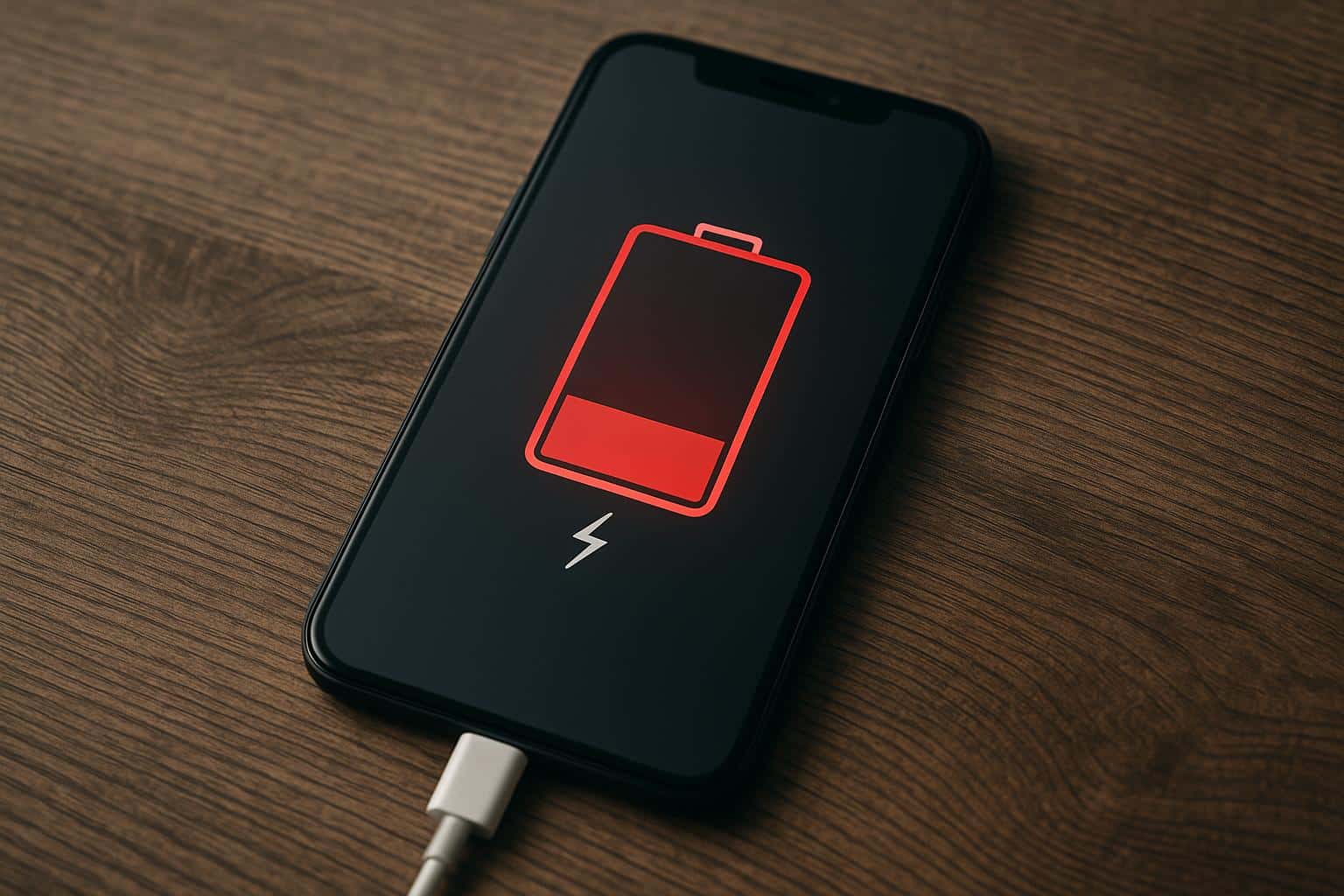
There’s a familiar moment with older phones: you unplug at 100% in the morning, barely use the thing, and somehow you’re already hunting for a charger by mid-afternoon.
That’s usually when people start paying more attention to phone battery health rather than just the percentage showing in the corner of the screen. Battery life naturally changes over time, and understanding why can help you work out whether your phone needs a few habit changes, a battery replacement or simply retirement.
Contents
Batteries Wear Out Gradually
Smartphone batteries are designed to be rechargeable, but they don’t stay in exactly the same condition forever.
Over hundreds of charge cycles, the battery slowly loses some of its original capacity. That means a phone that once comfortably lasted from breakfast until bedtime may eventually struggle to make it through the day.
The change is often so gradual that you barely notice it happening.
Then one day you realise you’ve started carrying a charger everywhere.
Heat Can Be Tough on a Battery
Phones don’t love extreme heat.
Leaving a device on the dashboard of a hot car, gaming for long periods while it’s charging or repeatedly exposing it to high temperatures can put additional strain on the battery.
That doesn’t mean your phone will be ruined because it got warm once. The bigger issue is repeated or prolonged heat exposure over time.
If a phone regularly becomes unusually hot, it’s worth figuring out what’s causing it rather than treating that as normal.
Your Apps May Be Part of the Problem
Sometimes the battery itself is only part of the story.
Apps running in the background, constant location access, high screen brightness, poor mobile reception and frequent notifications can all increase power consumption.
Most modern phones provide some kind of battery usage screen showing which apps have consumed the most energy. It can be revealing.
You may discover that the app you barely remember installing is somehow responsible for a surprising chunk of your daily battery use.
Restricting unnecessary background activity can help, especially on an older device where every bit of remaining capacity matters.
Charging Habits Have Changed
There are plenty of battery myths floating around from the days of older rechargeable technologies.
Modern phones manage charging much more intelligently than devices did years ago, and many include features designed to reduce the amount of time the battery spends sitting at a full charge.
You generally don’t need to obsessively drain the phone to zero before plugging it in.
What matters more is avoiding unnecessary heat and using reputable chargers and cables that are suitable for the device.
Know When the Battery Is Simply Getting Old
There comes a point where no amount of adjusting brightness or closing background apps will bring back the battery life you remember.
If the phone still works well but the battery has significantly degraded, replacing the battery may extend the useful life of the device.
If the battery is swelling, the phone is becoming excessively hot or there are signs of physical damage, stop using it and seek professional advice rather than continuing to charge it.
For ordinary ageing, though, declining battery performance is exactly that: ageing.
Smartphones do an impressive amount of work from a very small battery. After several years of daily charging, it’s reasonable for that battery to lose some stamina.
The good news is that once you understand what’s draining it, you can make better decisions about whether to adjust how you use the phone, replace the battery or finally admit that the upgrade you’ve been talking yourself out of might be justified.