
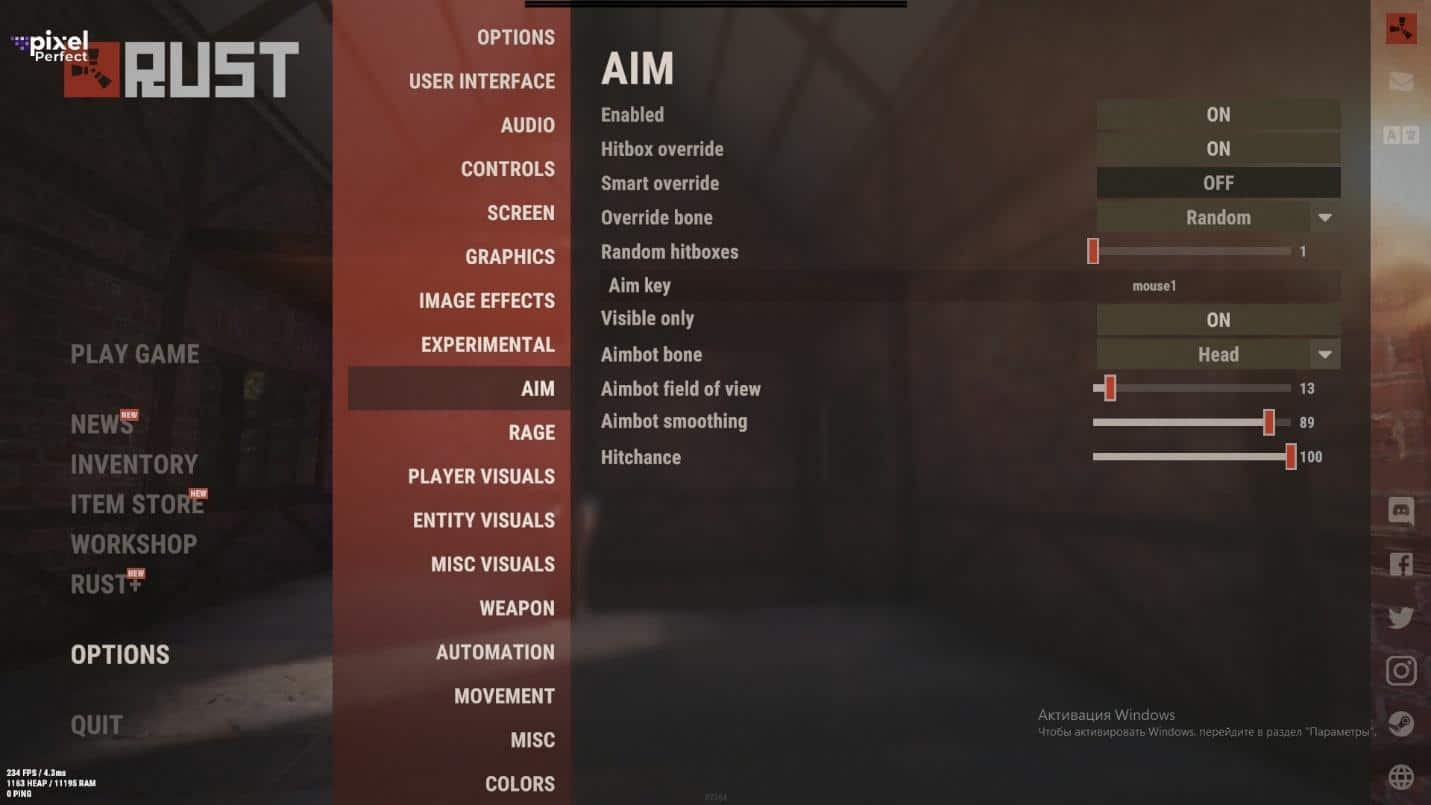
The world of game cheats is a vast, complex, and rapidly evolving ecosystem. What was once the domain of bored teenagers modifying simple memory values has transformed into a sophisticated industry involving professional developers, advanced software engineering, and a constant technological arms race with anti-cheat companies. Today, the landscape includes everything from free public hacks to exclusive private cheats, hardware manipulation tools like spoofers, and a gray market of macros and scripts that blur the line between assistance and cheating.
Millions of gamers worldwide utilize these tools for various reasons: to save time, to overcome skill plateaus, to access locked content, or simply to level a playing field they perceive as unfairly stacked against them. The motivations are as diverse as the tools themselves. At the center of this ecosystem are specialized stores that curate and distribute high-quality software, acting as trusted intermediaries between developers and users. One such store, Wh Satano, has established itself as a notable name in this space, providing access to a range of cheating solutions. Understanding the different types of cheats available, their features, and their associated risks is essential for anyone navigating this underground world.
Private Cheats
The term “private cheats” is often misunderstood by those new to the scene. At its most basic level, any cheat that requires payment could be considered “private” in the sense that a financial barrier limits its user base. However, this definition is too simplistic and potentially misleading. The reality is that “private” exists on a spectrum, and a paid cheat is not automatically a high-quality, undetectable product.
True private cheats are developed by small, focused teams or individual coders who maintain tight control over their software’s distribution. They are not sold on public forums or advertised broadly. Instead, they are often shared within closed communities, invite-only Discord servers, or through trusted intermediaries. The primary advantage of this model is security. With a limited user base, the cheat’s code signatures are far less likely to be discovered and added to anti-cheat detection databases. The developers have a direct relationship with their users and a strong financial incentive to keep their product undetected, leading to rapid updates and personalized support.
However, the market is flooded with products marketed as “private” that are anything but. Many so-called private cheats are simply public cheats with a price tag attached. They are sold to anyone willing to pay, resulting in thousands of users and a much higher detection risk. These products may offer little more than a public cheat with a cleaner interface and a guarantee of no viruses, but their underlying code may be just as vulnerable. Furthermore, even a genuinely private cheat carries inherent risks. The coder could be compromised, the community could be infiltrated, or a mistake in operational security could expose the software to detection. For users, the key takeaway is that paying for a cheat is no guarantee of quality or safety. Research, reputation, and community feedback are far more important than the “private” label.
Free Cheats
Free cheats are the siren song of the cheating world—tempting, accessible, and potentially catastrophic. The vast majority of free cheats distributed on public forums, YouTube videos, or sketchy download sites are designed with one primary purpose: to infect the user’s computer. The economics are simple: developing and maintaining a cheat requires time and skill. If the software is free, the developer is not making money from the cheat itself, so they must monetize in other ways. The most common method is bundling the cheat with malware, ransomware, or information stealers.
The risks are severe. A “free cheat” installation can unleash keyloggers that capture every password you type, banking trojans that empty your financial accounts, or ransomware that encrypts your entire system and demands payment for its release. Your gaming account being banned is the least of your worries; your entire digital life could be compromised. Studies have suggested that a significant percentage of free cheats contain malicious code, making the gamble extraordinarily dangerous.
That said, exceptions do exist. Occasionally, hobbyist developers with genuine skill and a passion for coding will release a functional free cheat, often for older games or titles with weak anti-cheat protection. These projects are typically labors of love, but they are rarely maintained for long. Without financial motivation, the developer eventually loses interest, and the cheat becomes outdated and detected. Some commercial cheat providers also offer limited free versions of their products as a demonstration or trial, allowing potential customers to test functionality before committing to a purchase. However, these are the exceptions that prove the rule. For the most part, free cheats are a trap. The old adage holds true: if you are not paying for the product, you are the product.
HWID Spoofers
In the ongoing war between cheat developers and anti-cheat systems, one of the most powerful weapons in the anti-cheat arsenal is the HWID (Hardware ID) ban. When a player is caught cheating, modern anti-cheat software like Easy Anti-Cheat, BattlEye, or Valve Anti-Cheat doesn’t just ban the account. It creates a unique fingerprint of the user’s computer components—the motherboard’s serial number, the hard drive’s identifier, the network card’s MAC address, and other hardware signatures—and permanently blocks that entire machine from accessing the game. This means that simply creating a new account is not enough to return; the computer itself is blacklisted.
Enter the HWID spoofer. This specialized tool is designed to defeat hardware bans by intercepting the queries that anti-cheat software makes to the Windows operating system and the computer’s hardware. Instead of returning the real, unique identifiers of the components, the spoofer feeds the anti-cheat a set of fake, “spoofed” identifiers. To the game’s servers, the banned machine now appears as an entirely different, clean computer, allowing the user to create a fresh account and resume playing.
Spoofers vary in complexity and effectiveness. Temporary spoofers alter identifiers only for the current Windows session, resetting upon reboot. Permanent spoofers make changes that persist, often by modifying firmware or system registry entries. Some cheats include a built-in spoofer as part of their package, while others require a separate purchase. The quality of a spoofer is critical; a poorly coded spoofer can itself be detected, leading to an immediate ban. For anyone serious about cheating long-term, a reliable spoofer is an essential part of the toolkit, providing a crucial layer of insurance against the most permanent form of punishment.
Conclusion
The world of game cheats is far more nuanced than most players realize. It is not simply a binary choice between playing fair or cheating. It is a complex landscape of different tools, motivations, and risk profiles, ranging from the catastrophic dangers of free malware-ridden hacks to the sophisticated engineering of private cheats and hardware bypass tools.
For anyone who plays online games, understanding this landscape is increasingly important. Whether you choose to use cheats or not, you will encounter them. You will face opponents whose abilities are augmented by software, and you will need to understand the dynamics at play. The cheat industry is not going away; it is growing and evolving alongside the gaming industry itself. By educating yourself about the features, risks, and realities of game cheats, you become a more informed player, better equipped to navigate the modern gaming environment. Pay attention, stay informed, and make your choices with open eyes.