
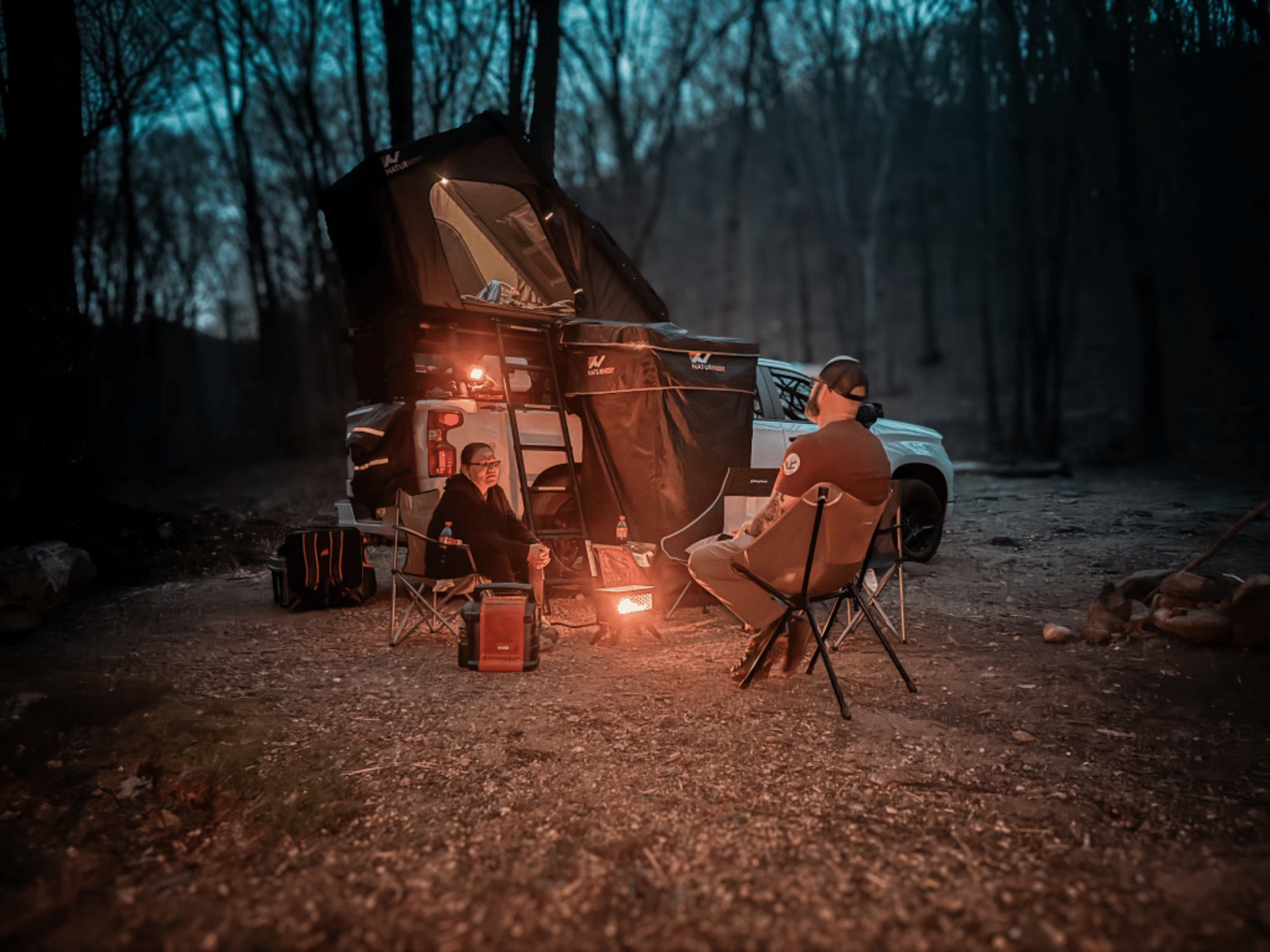
An SUV is still warm from the drive when it pulls into a quiet roadside parking area just outside the city. It is just after sunset, the kind of light that makes everything feel temporarily paused rather than finished. Inside the car, someone checks the back seats again—not because they expect a problem, but because the transformation from driving space to resting space never feels completely certain until it actually happens.
This small moment has become more common in recent years. The idea of outdoor living is no longer tied strictly to long trips or remote destinations. Instead, it often begins in places that are still close enough to feel familiar: a coastal turnoff, a forest edge car park, or even a quiet lakeside lot that only takes a couple of hours to reach. What matters is not distance, but the ability to extend a weekend without needing to formally plan one.
For many people, this shift starts almost accidentally. A vehicle that was once used purely for commuting or errands begins to carry a second meaning. It becomes a flexible base, something that allows movement to pause without forcing a return home. The experience is less about “going camping” and more about staying out just a little longer than usual, without overthinking the logistics.
A couple from the city once described how this change crept into their routine. They did not set out to adopt a new lifestyle. At first, it was just a way to avoid traffic-heavy weekends and overpriced short stays. They would leave on Friday evenings, sometimes with no fixed destination, only a general direction toward open space.
One of their early trips took them to a quiet stretch near a reservoir. They arrived in near darkness, with no clear plan for how the night would unfold. The car doors opened and closed a few times in silence while they adjusted what little gear they had brought. A blanket was spread unevenly across folded seats, bags were shifted from one side to another, and a small light was clipped to a headrest that was never designed for that purpose. Nothing about it felt “set up” in the traditional sense, but it worked just enough to stay.
What stood out to them later was not the scenery, but the adjustment period. The car was never originally designed to be lived in, yet it had become something they could adapt quickly. Over time, they began to refine these small adjustments—how to create shade during the day, how to maintain airflow at night, and how to keep things accessible without turning the entire space into clutter.
That was also when they started paying attention to more structured ways of extending that comfort. Not by turning the vehicle into a full camper, but by adding simple layers of protection and flexibility. A quiet stop along the journey led them to explore a simple rooftop shelter system for vehicles, not as a statement of adventure, but as a way to reduce the friction of setting up and packing down each time.
On one of their later trips, the difference became more noticeable. The weather shifted unexpectedly during the night, bringing stronger wind than forecast. In earlier outings, this would have meant rearranging everything inside the car or cutting the night short. This time, instead of reacting immediately, they simply adjusted a few small points of tension in their setup and stayed where they were. The experience did not become dramatically more comfortable, but it became less fragile.
This is where the idea of outdoor living quietly changes shape. It is often described as freedom, but in practice it is closer to a negotiation with uncertainty. A vehicle-based setup does not remove unpredictability; it simply makes it easier to remain in place while things change. That subtle shift is what makes people return to it again and again.
Over time, these repeated weekends begin to form a pattern. The preparation becomes lighter, the decisions fewer, and the threshold for leaving the city lower. What once felt like an outing gradually becomes part of the rhythm of routine life. The couple later mentioned that they now keep a small bag permanently in the trunk, not as an emergency kit, but as a kind of open invitation to leave whenever the week feels too compressed.
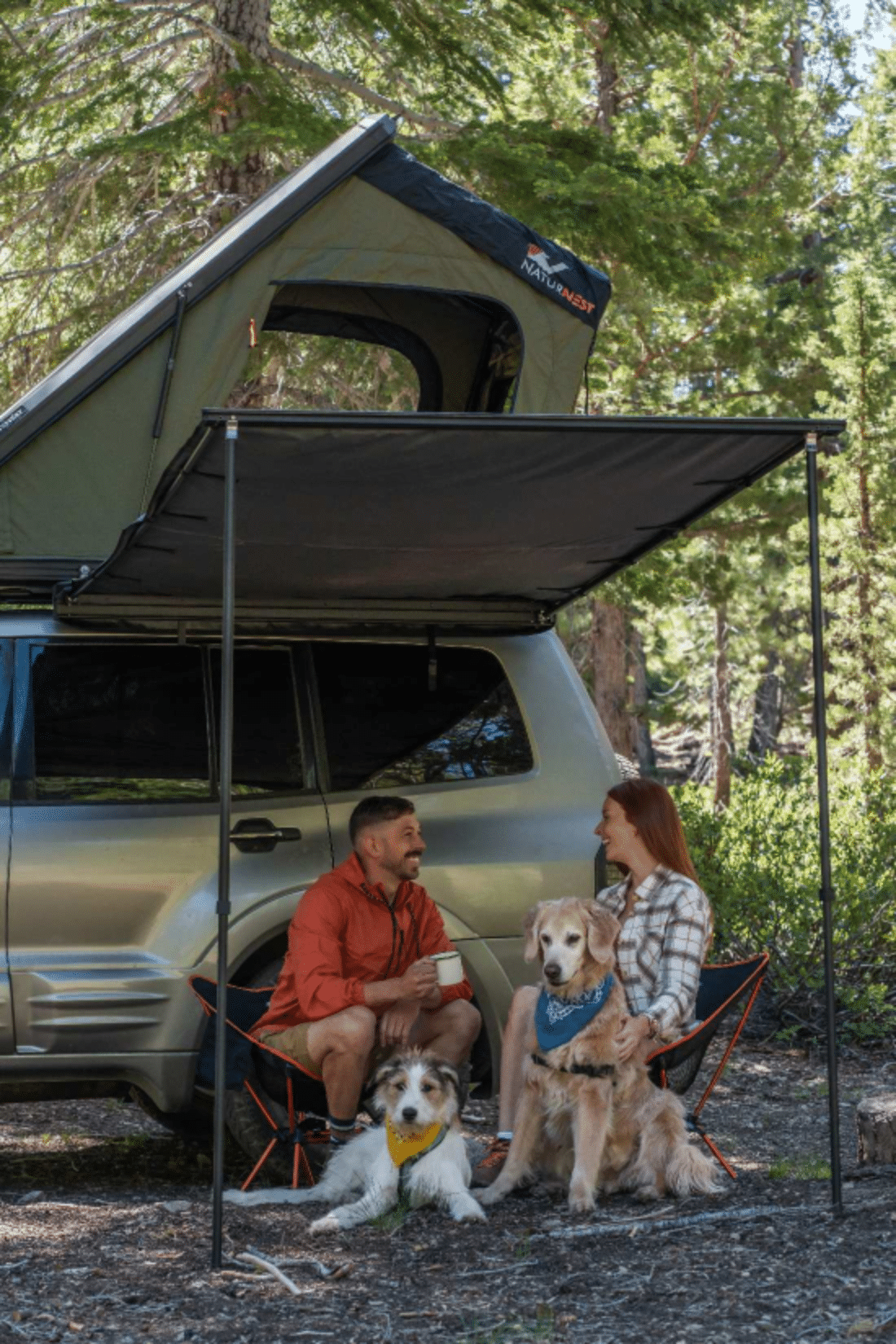
Alongside this shift, there has also been a growing collection of shared experiences and informal narratives about vehicle-based outdoor living. Not in the form of rigid guides or instruction manuals, but in small observations and field notes that circulate among people who spend more time outdoors than indoors on weekends. Some of these reflections can be found through stories from Naturnest Lifestyle, where outdoor routines are often described in terms of lived moments rather than structured advice.
What becomes clear across these stories is that outdoor living is no longer an extreme alternative to normal life. It is becoming something that sits beside it. A parked vehicle near water or trees is not a departure from daily routine, but a temporary reconfiguration of it. The boundaries between travel, rest, and home start to blur, not through dramatic change, but through repetition.
And perhaps that is why this trend continues to grow quietly rather than loudly. It does not ask people to become different versions of themselves. It simply makes it easier to step outside for a while, stay longer than planned, and return without feeling like something was left unfinished.