
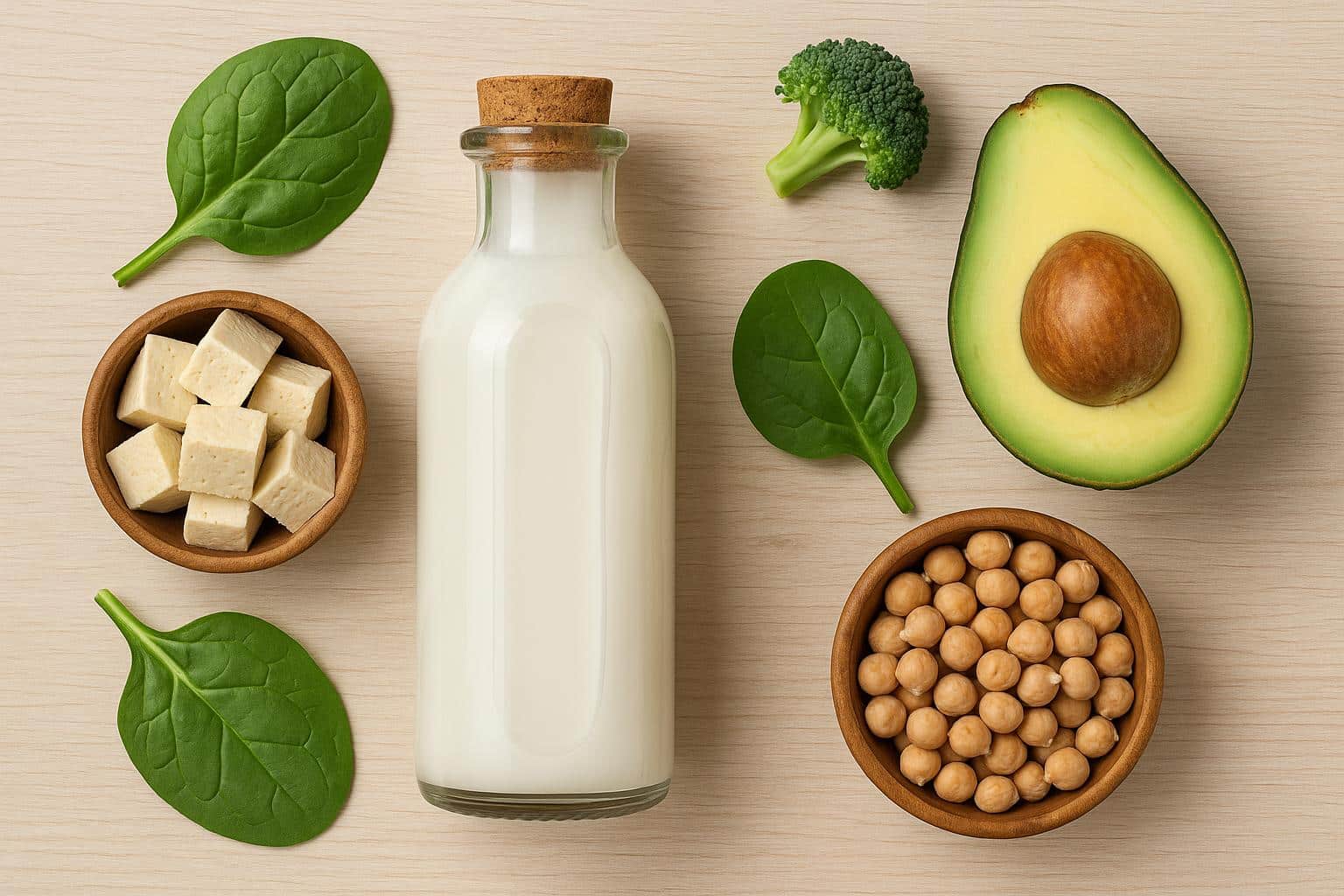
Lactic acid doesn’t exactly sound vegan. The name feels like it belongs on a carton of milk rather than your skincare routine or favorite snack. If you’ve ever spotted it on an ingredient list and hesitated, wondering whether it fits your lifestyle, it makes sense that you feel the need to be cautious.
However, it’s important to remember that ingredient names can be seriously misleading, and lactic acid is a perfect example. What sounds dairy-based isn’t always what it seems, and this article has all the information you need on this cellular powerhouse.
Contents
Why Are Ingredient Labels So Confusing?
If you’ve ever flipped over a product to scan the ingredients, you already know how quickly things can get confusing. Between scientific names and unfamiliar compounds, it’s not always obvious what aligns with your lifestyle and what doesn’t.
People often double-check everything, from skincare serums to supplements to boric acid suppositories, just to be sure they’re making informed choices.
What Is Lactic Acid?
Lactic acid is a naturally occurring organic acid that your body actually produces on its own, especially during exercise.
Beyond your body, it’s also found in fermented foods like pickles, sourdough bread, and plant-based yogurts. Additionally, it’s widely used in skincare as a gentle exfoliant and in food production as a preservative. Lactic acid is everywhere, and it’s not tied to dairy the way the name suggests.
Where Does Lactic Acid Come From?
Historically, lactic acid was first discovered in sour milk, which is where the “lactic” part of the name comes from. That origin story is what causes most of the confusion today. But here’s the important part: modern lactic acid is usually made very differently.
Today, it’s most commonly produced by fermenting plant-based carbohydrates such as corn, sugar beets, or cassava. This process uses beneficial bacteria to convert sugars into lactic acid, and no animal products are required. While it can technically be derived from animal-based sources, that’s rarely the case in modern manufacturing.
Is Lactic Acid Vegan?
Most of the time, lactic acid is vegan. In the vast majority of products, lactic acid is created through plant fermentation.
However, there’s a small caveat: Not all manufacturers disclose their exact sourcing methods. That means if you want to be 100% certain, it’s worth checking for vegan certifications or reaching out to the brand directly.
For everyday purposes, you can feel confident that lactic acid is typically vegan-friendly, even if its name tries to convince you otherwise.
Where Can You Find Lactic Acid?
In skincare, lactic acid is a popular ingredient in exfoliating toners, serums, and masks because it helps gently smooth and refresh the skin. In the food world, it’s commonly found in fermented items like pickles, olives, sourdough bread, and even some plant-based yogurts, where it contributes to that signature tangy flavor.
It also appears in supplements and wellness products, thanks to its role in fermentation and preservation. Ultimately, lactic acid isn’t some rare or obscure compound. It’s a regular part of everyday products across multiple categories.
How Can You Tell If a Product Is Vegan?
Even though lactic acid is usually vegan, it’s still smart to double-check if you’re aiming for complete certainty. The easiest way is to look for clear vegan labeling or certification on the packaging. Brands that meet vegan standards are typically proud to highlight it.
You can also take a quick look at the brand’s website or FAQ section, where sourcing details are sometimes explained. If that information isn’t available, reaching out directly is always an option.
Clearly, ingredient names don’t tell the whole story; how something is made matters just as much, if not more, than what it’s called.
Don’t Judge a Book by Its Cover
Lactic acid sounds dairy-based than it actually is. In most cases, it’s completely vegan-friendly and widely used across food, skincare, and wellness products.
The key is staying curious and informed. Ingredient labels can be tricky, but a little knowledge goes a long way in helping you make choices that align with your lifestyle. So the next time you spot “lactic acid” on a label, you can skip the second-guessing and shop with confidence instead.