
For one U.S.-based strength and conditioning coach, effective athlete training comes down to understanding the mind-body connection. As a neuroperformance specialist, the coach is hyper-focused on collecting data that helps his athletes train smarter, literally.
A few years ago, he invested in digital biofeedback devices and equipment that give him the objective data he needs to help his clients run faster and improve performance markers, including balance, reaction time, and proprioception. The tools have helped his athletes make significant performance strides quickly.
Contents
The Problem: Subjective Training Leads to Suboptimal Outcomes
When the coach first started training athletes, he used manual tools and traditional timing gates. His clients got faster, so he had no reason to challenge his analog approach.
That outlook changed when his son suffered from a series of serious sports-related injuries. The traditional physical therapy programs his son completed were subjective in nature, which meant he was often discharged prematurely. Because those programs were based on established timelines and qualitative data, deficits that predisposed his son to reinjury remained hidden.
Motivated to break the cycle of under-rehabilitation and reinjury, he contacted a slew of specialists. Talking with them taught him why injuries happen and how technology and data can prevent them.
The Solution: Biofeedback Tools Supercharge Training
During his research, the coach came across a cutting-edge neuromuscular therapy machine. His son used the machine and recovered in a fraction of the time PTs originally forecasted. It changed the coach’s outlook on the relationship between injury prevention and performance.
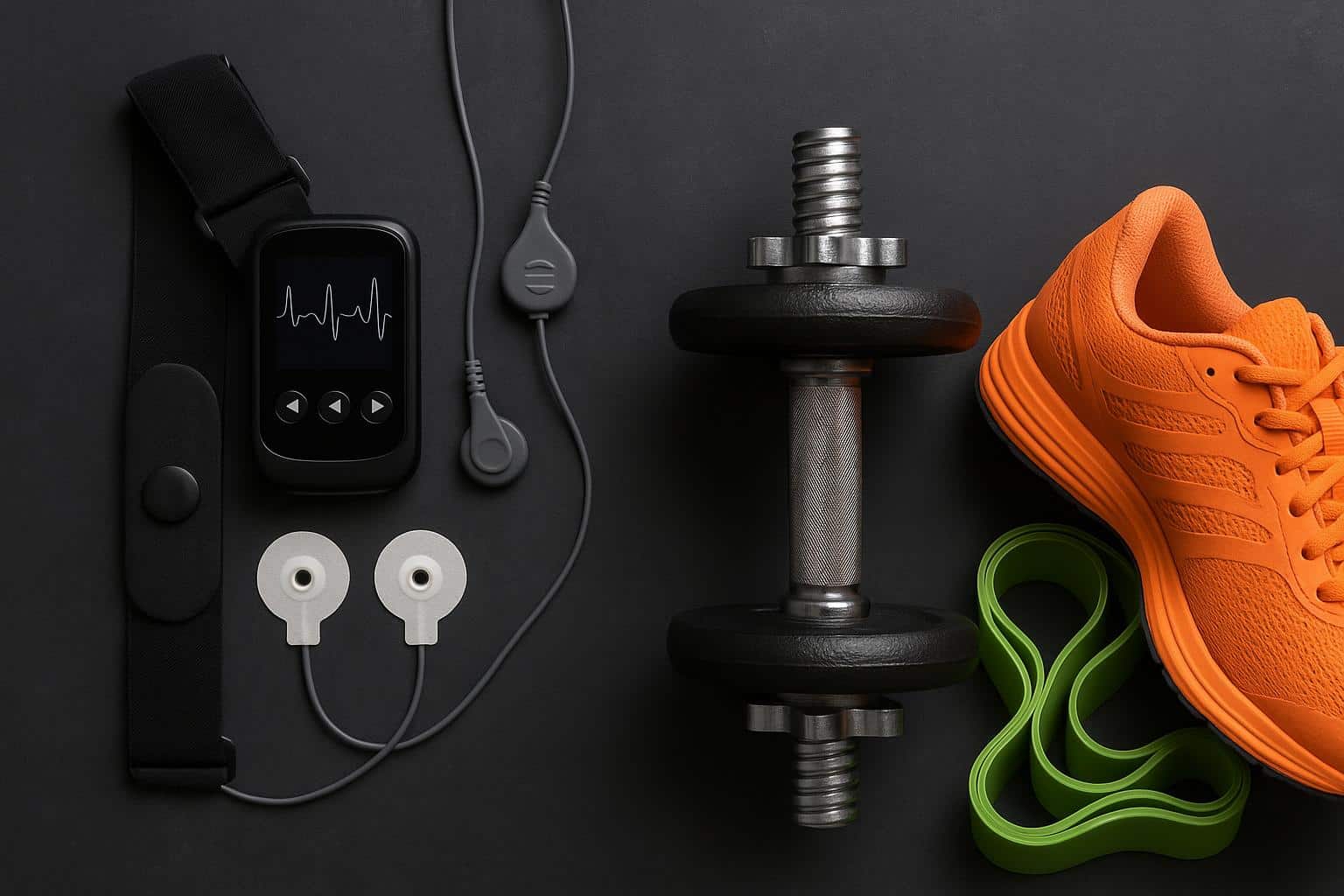
From there, his coaching methodology evolved. He began investing in technology and focused on using quantitative data to formulate and guide training plans. Eventually, he purchased a suite of biofeedback devices, including portable force plates, digital dynamometers, goniometers, and EMG sensors. The tools provide objective data on metrics such as strength, power, range of motion, balance, symmetry, speed, and more. With that data, he can accurately and quantitatively evaluate performance, track progress and identify deficiencies and asymmetries.
He shares that data with his clients to motivate them and encourage them to tune into their brain/body connection. As a result, his athletes perform better and know when not to push through pain.
The Results: Data Athletes Can See & Trust
Biofeedback tools let the coach fine-tune training in real time based on objective measurements. The data tells him exactly where an athlete is on a given day, letting him know whether they can push themselves safely or should pump the brakes.
The data also gives him confidence in his decisions and gives his athletes confidence in their abilities. It has helped him strengthen his relationships with his clients: Now, he can show progress without speculation, and his athletes better understand the connection between how a movement feels and how they perform.