
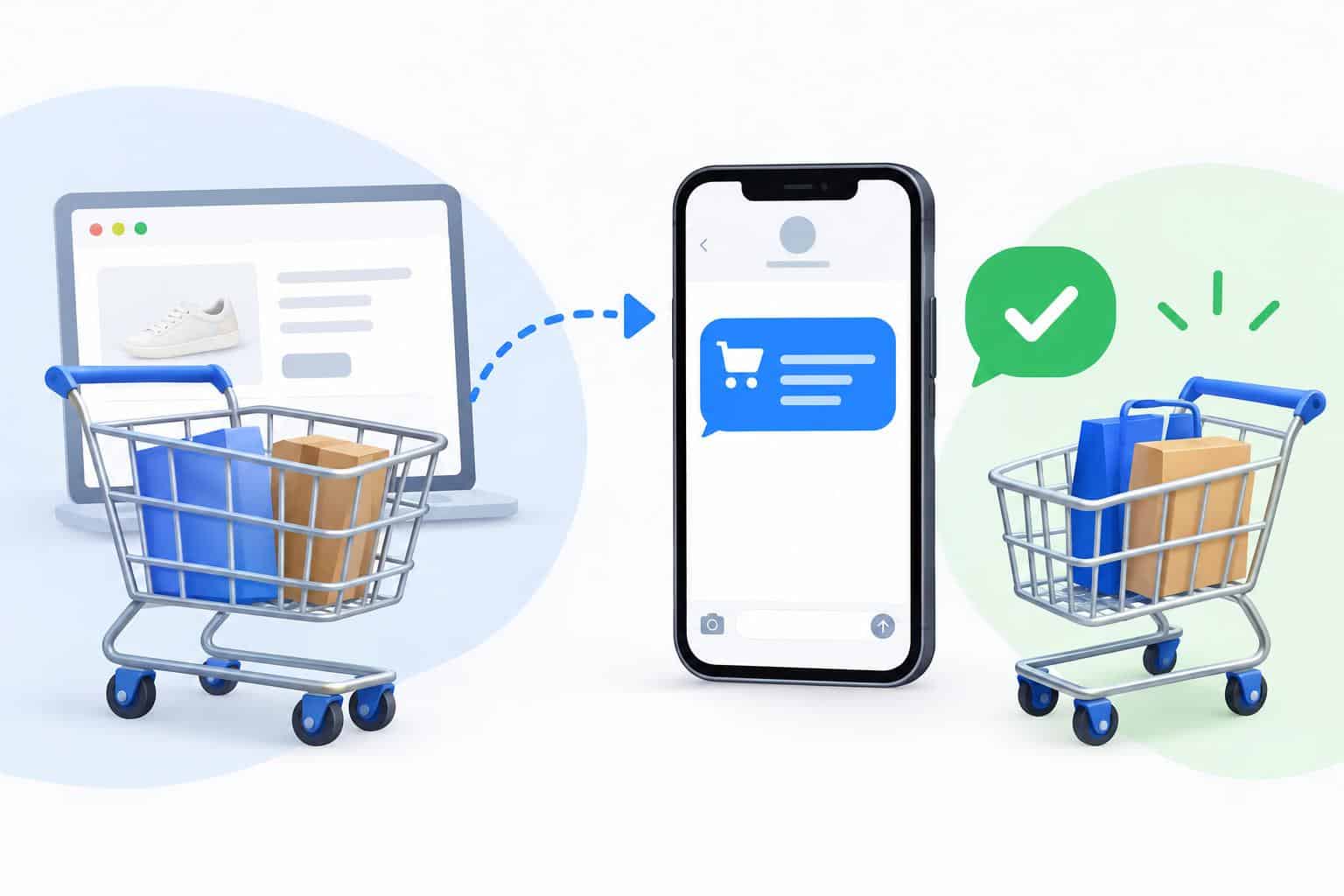
Shopping cart abandonment is one of the biggest challenges facing e-commerce businesses. Customers often browse products, add items to their carts, and leave without completing their purchases. While some shoppers simply change their minds, others get distracted, encounter unexpected costs, or need more time to decide. SMS marketing offers e-commerce brands a direct way to reconnect with these potential customers. By sending timely, personalized text messages, businesses can remind shoppers about unfinished purchases, address common concerns, and encourage them to return to checkout.
Contents
- Understanding Shopping Cart Abandonment in E-Commerce
- Why SMS Marketing Works for Cart Recovery
- Building an Effective SMS Cart Recovery Strategy
- Sending Timely Abandoned Cart Reminders
- Personalizing SMS Messages to Increase Engagement
- Using Discounts and Incentives Carefully
- Making Checkout Simple and Convenient
- Automating SMS Cart Recovery Campaigns
- Measuring SMS Cart Recovery Performance
- Following SMS Marketing Privacy and Consent Rules
- Combining SMS Marketing With Other Recovery Channels
- Conclusion
Understanding Shopping Cart Abandonment in E-Commerce
Cart abandonment occurs when an online shopper adds products to a shopping cart but leaves the website before completing the transaction. This behavior is common across online retail, regardless of the products being sold.
Several factors contribute to abandoned carts. Unexpected shipping charges, complicated checkout processes, limited payment options, and concerns about delivery times can discourage customers from completing purchases. Some shoppers also use their carts to compare prices or save products for later.
For e-commerce brands, abandoned carts represent potential revenue that has not yet been realized. Recovering even a portion of these purchases can improve sales performance without requiring businesses to attract entirely new visitors.
Why SMS Marketing Works for Cart Recovery
SMS marketing allows businesses to communicate with customers through text messages sent directly to their mobile phones. Unlike promotional messages that depend on customers opening an application or checking an inbox, SMS notifications appear within a familiar communication channel.
The effectiveness of SMS cart recovery comes from its simplicity and immediacy. A short message can remind customers about products they were considering and provide a convenient link back to their shopping carts.
SMS messages are also suitable for mobile shopping experiences. Customers who receive a reminder can return to the store using their smartphones, review their selected products, and complete checkout.
However, successful SMS marketing requires more than sending frequent reminders. Messages must be relevant, appropriately timed, and delivered only to customers who have provided the necessary consent.
Building an Effective SMS Cart Recovery Strategy
An effective abandoned cart recovery strategy begins with identifying customers who have left products in their shopping carts. E-commerce platforms can track incomplete checkout sessions and trigger follow-up messages when eligible customers abandon their purchases.
Businesses can use this business SMS platform as part of their broader customer communication strategy to explore text-based engagement with shoppers.
The most important element is creating a recovery process that feels helpful rather than intrusive. Customers should receive clear reminders that make returning to their purchases convenient.
A practical strategy typically includes personalized messages, carefully selected delivery times, direct checkout links, and performance monitoring.
Sending Timely Abandoned Cart Reminders
Timing plays an important role in SMS cart recovery. Sending a message immediately after a shopper leaves may feel unnecessary, especially if the customer is still comparing products.
Instead, brands can experiment with sending their first reminder approximately 30 to 60 minutes after abandonment. This gives shoppers time to reconsider their purchases while keeping the products relatively fresh in their minds.
If customers do not respond, businesses may consider sending another reminder the following day. Additional messages should be limited to avoid overwhelming recipients.
The ideal timing depends on the products, audience, and shopping behavior. A customer purchasing everyday essentials may respond differently from someone considering expensive electronics or furniture.
Testing different delivery schedules helps brands identify the most effective approach for their customers.
Personalizing SMS Messages to Increase Engagement
Personalization makes abandoned cart reminders more relevant. Rather than sending generic promotional messages, e-commerce businesses can reference products customers previously selected.
For example, a clothing retailer might send:
“Hi Sarah, your selected jacket is still waiting in your cart. Complete your order here: [checkout link].”
This message reminds the shopper about a specific product and provides a convenient way to continue purchasing.
Brands can also personalize messages using customer preferences, previous shopping behavior, or relevant product information.
However, personalization should respect customer privacy. Businesses should avoid including sensitive information in text messages and ensure that customer data is handled securely.
Using Discounts and Incentives Carefully
Discounts can encourage hesitant shoppers to complete their purchases, but they should not automatically be included in every abandoned cart message.
Offering discounts too frequently may train customers to abandon their carts intentionally in anticipation of promotional offers.
A more sustainable approach is to begin with a simple reminder. If the customer remains interested but does not complete the purchase, a later message might include a limited incentive.
Possible incentives include free shipping, a modest discount, or loyalty rewards.
Businesses should calculate how these offers affect profit margins before introducing them into automated campaigns.
Making Checkout Simple and Convenient
An SMS reminder can bring customers back to an online store, but a complicated checkout process may cause them to abandon their purchases again.
E-commerce brands should ensure that recovery links direct shoppers to the correct cart or checkout page whenever technically possible.
The checkout experience should work smoothly on mobile devices, with clear pricing, straightforward navigation, and convenient payment methods.
Displaying shipping costs, delivery estimates, and return policies early in the process can also reduce uncertainty.
SMS marketing is most effective when combined with a user-friendly shopping experience that addresses the original reasons customers abandoned their carts.
Automating SMS Cart Recovery Campaigns
Automation helps e-commerce businesses manage abandoned cart reminders without manually contacting individual customers.
When an eligible shopper abandons a cart, an automated workflow can wait for a predetermined period before sending a reminder.
If the customer completes the purchase before the message is scheduled, the workflow should cancel the reminder.
Brands can also establish conditions based on cart value, customer preferences, and previous engagement.
Automation improves consistency and allows marketing teams to focus on campaign optimization rather than repetitive communication tasks.
Importantly, businesses should maintain accurate consent records, honor opt-out requests, and follow applicable marketing regulations.
Measuring SMS Cart Recovery Performance
Tracking campaign performance helps e-commerce brands understand whether their SMS marketing efforts are generating meaningful results.
One useful metric is the cart recovery rate, which measures the percentage of abandoned carts that eventually convert into completed purchases.
Businesses can also monitor click-through rates, conversion rates, recovered revenue, and the cost of each recovered order.
For example, if a campaign targets 500 abandoned carts and 40 customers subsequently complete their purchases, the observed recovery rate is 8%.
However, not every recovered purchase can automatically be attributed to the SMS campaign. Some customers may have returned without receiving a reminder.
Using control groups and consistent attribution methods provides a clearer understanding of the campaign’s actual impact.
Following SMS Marketing Privacy and Consent Rules
Customer trust is essential for successful SMS marketing. Businesses should obtain appropriate permission before sending promotional text messages.
Consent requirements vary by country and region. Depending on the market, relevant rules may include the GDPR and electronic marketing requirements in Europe or the TCPA and related regulations in the United States.
Brands should clearly explain what customers are agreeing to receive, provide accessible unsubscribe options, and respect messaging preferences.
They should also avoid sending promotional messages at inappropriate hours.
A compliant and respectful approach helps protect customer relationships while reducing the risk of complaints and regulatory problems.
Combining SMS Marketing With Other Recovery Channels
SMS marketing works best as part of a coordinated customer retention strategy.
Email marketing can provide detailed product information, while SMS can deliver concise reminders with direct checkout links. Retargeting advertisements may help maintain brand awareness among shoppers who have not completed their purchases.
However, these channels should work together rather than repeatedly delivering the same message.
For example, a brand might send an email reminder first and follow up with an SMS only when the customer has consented and the purchase remains incomplete.
Coordinating communication helps businesses create a consistent shopping experience without overwhelming customers.
Conclusion
SMS marketing gives e-commerce brands a practical opportunity to reconnect with customers who abandon their shopping carts. Through timely reminders, personalized communication, convenient checkout links, and carefully managed incentives, businesses can encourage shoppers to complete unfinished purchases.
The strongest strategies combine automation with customer consent, thoughtful messaging, and continuous performance analysis. Rather than relying on aggressive promotions, brands should focus on removing purchasing obstacles and making the checkout experience easier.
When implemented responsibly, SMS cart recovery can become a valuable component of an e-commerce business’s broader customer engagement and revenue optimization strategy.