
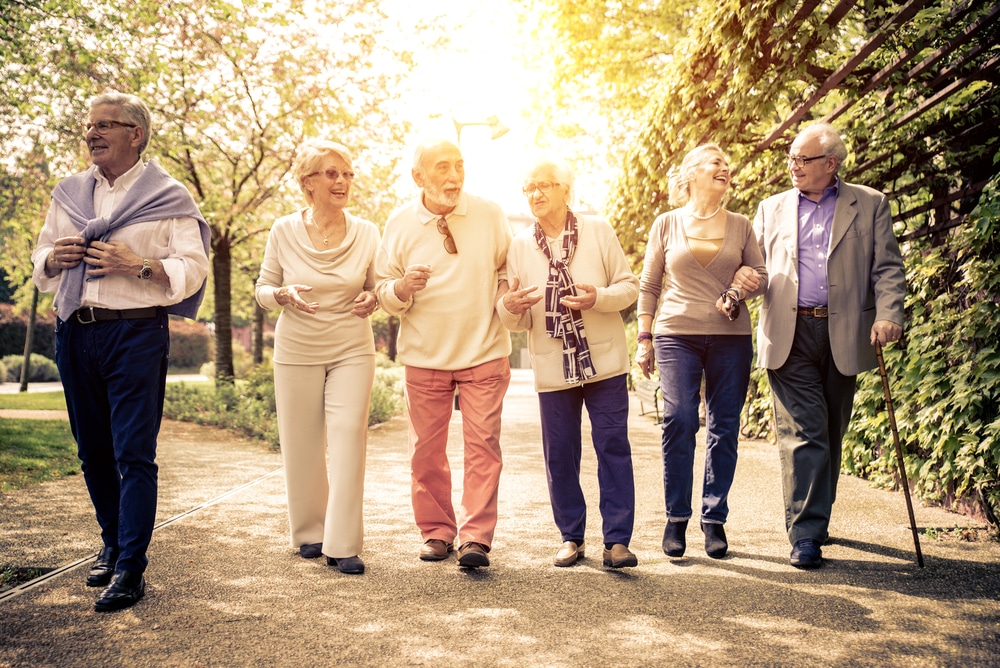
Gloria Gibson served as president of Northeastern Illinois University in Chicago from July 2018 to June 2023. Gibson notes that whether taking a walk at a park, in the neighborhood or even through a college campus, the benefits are numerous. This article will provide an overview of some of the key benefits of walking for older individuals, promoting not only physical health but also emotional and cognitive well-being, enhancing overall quality of life.
Retirement presents a prime opportunity to embrace new hobbies and explore lifelong passions. With more free time to enjoy, many seniors find themselves prioritizing their health and wellness, taking up new physical activities to help them stay active while expanding their social circle.
Walking is a simple yet effective means of improving health for people of all ages. Be it a brisk walk in the park or a stroll around the neighborhood with the dog, walking offers many benefits beyond physical fitness.
Arguably the most accessible form of exercise, walking is particularly advantageous for older adults. Taking regular strolls helps improve cardiovascular rate by increasing the heart rate, improving blood circulation, and strengthening the heart. Increased blood circulation has been shown to reduce the risk of a range of health conditions, including high blood pressure, heart disease, and stroke, all of which are common concerns among older adults.
The mental health benefits of walking are just as significant as the physical benefits. Though it may be eagerly awaited, in reality retirement can be a challenging lifestyle change that gives rise to feelings of loneliness, anxiety, and even depression. Taking daily walks can go a long way toward enhancing mental well-being by reducing stress and improving mood.
Walking stimulates the release of ‘feel-good’ endorphins, easing tensions and promoting a sense of happiness and calm. Walking outside gets participants up off the sofa, immersing them in nature. Research shows that spending time in the great outdoors can have a profound effect on well-being. Exposing participants to sunlight, fresh air, and beautiful surroundings can help to alleviate anxiety and stress, providing clarity and a fresh perspective on life’s challenges.
As an individual ages, their metabolism and body composition changes, making weight management more challenging. Taking regular walks helps seniors to maintain a healthy body weight by burning calories and keeping their metabolism active. Although walking may not burn calories as quickly as cycling or running, it is still an effective means of managing weight without seniors exposing themselves to the risks associated with high-impact exercise.
Walking strengthens bones, helping to prevent the onset of osteoporosis. It also reduces the risk of type 2 diabetes, which is the most common form of the condition and more prevalent in individuals who are overweight and obese. Regular exercise combined with a healthy diet helps to minimize the risk of developing the disease. In addition, studies show that physical activity such as walking helps to reduce the risk of developing certain cancer types, including bowel, breast, and womb cancer.
Being physically active and leading a healthy lifestyle has significant cognitive benefits, including reducing the risk of dementia. For people living with dementia, taking regular walks can help to improve their strength and flexibility, ensuring a better night’s sleep. Some studies suggest that taking regular walks may actually help to improve memory in dementia patients, slowing the condition’s progression.
Exercise in later life need not be strenuous, with a moderate amount of activity offering an array of health benefits. Whether walking at a steady pace for longer periods or engaging in shorter bursts of strenuous walking uphill, walking can go a long way toward improving seniors’ health and well-being, enabling them to live independently for longer and enjoy a better quality of life.