
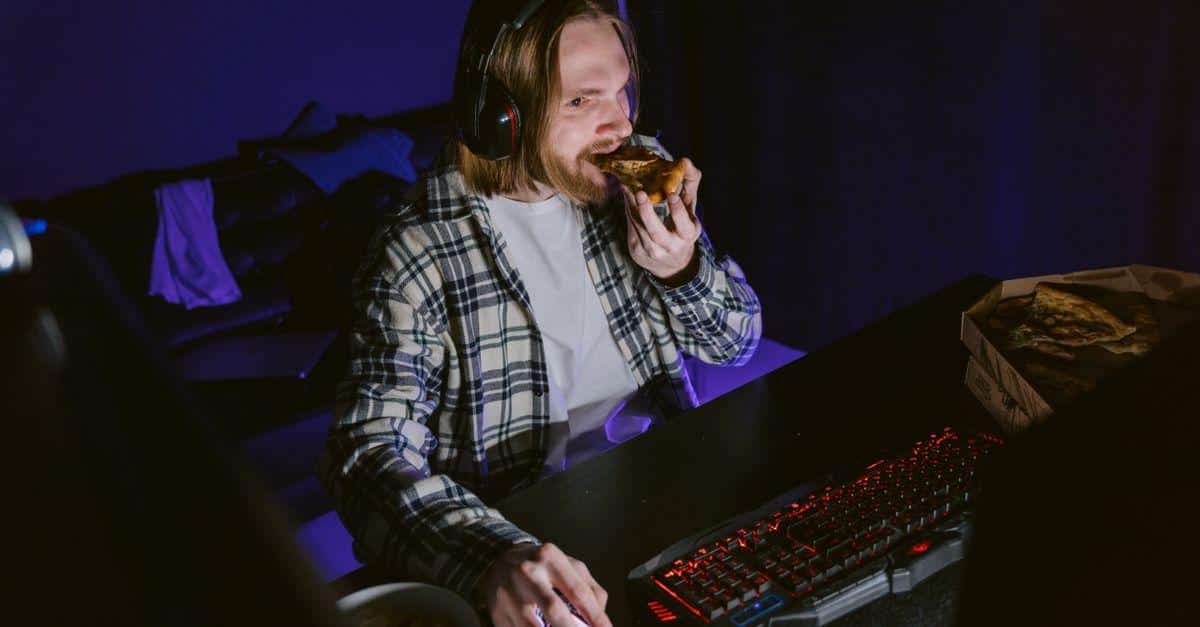
Have you noticed how online gaming moved from a once-in-a-while activity to something many players fit naturally into daily life?
The change did not happen because of one single invention. It happened through faster connections, easier access, better social tools, wider game choices, and play sessions that could fit around school, work, chores, and rest.
Online gaming became normal because it started matching real routines. Players no longer needed a special setup, a long free evening, or expert knowledge to take part.
Contents
- Faster Internet Made Play Feel Normal
- Phones Turned Gaming Into A Daily Habit
- Social Features Made Players Return
- Game Variety Reached More Types Of Players
- Progress Systems Made Sessions Feel Rewarding
- Communities Turned Games Into Shared Spaces
- Flexible Play Fit Modern Schedules
- Safer Tools Improved Player Confidence
- Online Gaming Became Part Of Everyday Culture
Faster Internet Made Play Feel Normal
Stable connections changed what players expected from online sessions.
Lower Lag Created Trust
Early online play often felt unpredictable because slow connections could interrupt matches, delay actions, or disconnect players at the worst time. As internet speeds improved, games became more reliable, and that reliability made players more willing to return often. A quick session before dinner or a longer match at night became easier to plan because the connection was less likely to ruin the experience.
Phones Turned Gaming Into A Daily Habit
Mobile access made online gaming fit into small gaps during the day.
Short Sessions Became Practical
Before smartphones became common, many players needed a computer or console to play online. Phones changed that by making games available during commutes, breaks, and quiet moments at home. This shift made play feel less like a scheduled event and more like reading messages or checking the weather.
Search terms such as slot88 also show how players use quick online searches to find specific game styles, categories, or browser-based play options that fit short sessions.
Social Features Made Players Return
Online gaming grew faster when it became a shared activity.
Friends Added Meaning To Routine Play
Chat tools, friend lists, team modes, and shared goals gave players a reason to log in beyond the game itself. A match could become a way to catch up with friends, meet familiar teammates, or join a group activity without leaving home. Social play also made progress feel more personal because players could compare results, celebrate wins, and learn from others in real time.
Game Variety Reached More Types Of Players
Choice helped online gaming move beyond one kind of audience.
Different Formats Fit Different Moods
Some players want fast competition, while others prefer puzzles, role-based stories, sports simulations, or casual chance-based formats. This range matters because daily habits form more easily when people can pick something that matches their mood and time. A player with ten minutes may choose a simple round, while someone with a free evening may join a longer team session.
Progress Systems Made Sessions Feel Rewarding
Clear feedback gave players a reason to continue over time.
Small Goals Built Long-Term Interest
Levels, rankings, unlockable items, daily challenges, and skill ratings gave players visible signs of improvement. These systems made even short sessions feel useful because a player could finish one goal, earn a reward, or practice a specific skill. Progress also helped players remember where they left off, which made returning feel natural rather than random.
Players searching for terms like slot dewa66 often show the same pattern of looking for familiar categories and repeatable play formats that can be understood quickly.
Player communities helped online gaming become part of regular conversation.
Advice And Discussion Made Games Easier To Enter
Forums, chat groups, video discussions, and player-made tips helped newcomers learn rules, strategies, and common terms faster. Instead of figuring everything out alone, players could ask questions, watch examples, and copy basic tactics. This support reduced frustration and made it easier for people to keep playing after their first few sessions.
Flexible Play Fit Modern Schedules
Online gaming became common because it adapted to uneven free time.
Players Could Choose Their Own Pace
Many online games now support quick matches, relaxed solo tasks, timed events, and longer group sessions. This flexibility matters because people rarely have the same amount of free time every day. A player can enjoy a five-minute task on a busy day, then return later for deeper play when time allows.
Safer Tools Improved Player Confidence
Better control options made online play more comfortable for many users.
Privacy And Reporting Features Reduced Friction
Mute buttons, block tools, content filters, account settings, and reporting systems gave players more control over their experience. These features helped people avoid unwanted contact and focus on play. Clear rules and moderation also made shared spaces easier to manage, especially in games with large player groups.
Online Gaming Became Part Of Everyday Culture
The shift became complete when gaming started fitting ordinary social routines.
Playing Became A Common Way To Spend Time
Online gaming now sits beside streaming, messaging, music, and social media as a normal digital activity. Players use it to relax, compete, practice skills, and stay connected with friends. Its everyday role came from access, reliability, variety, social connection, and flexible time use working together over many years.