
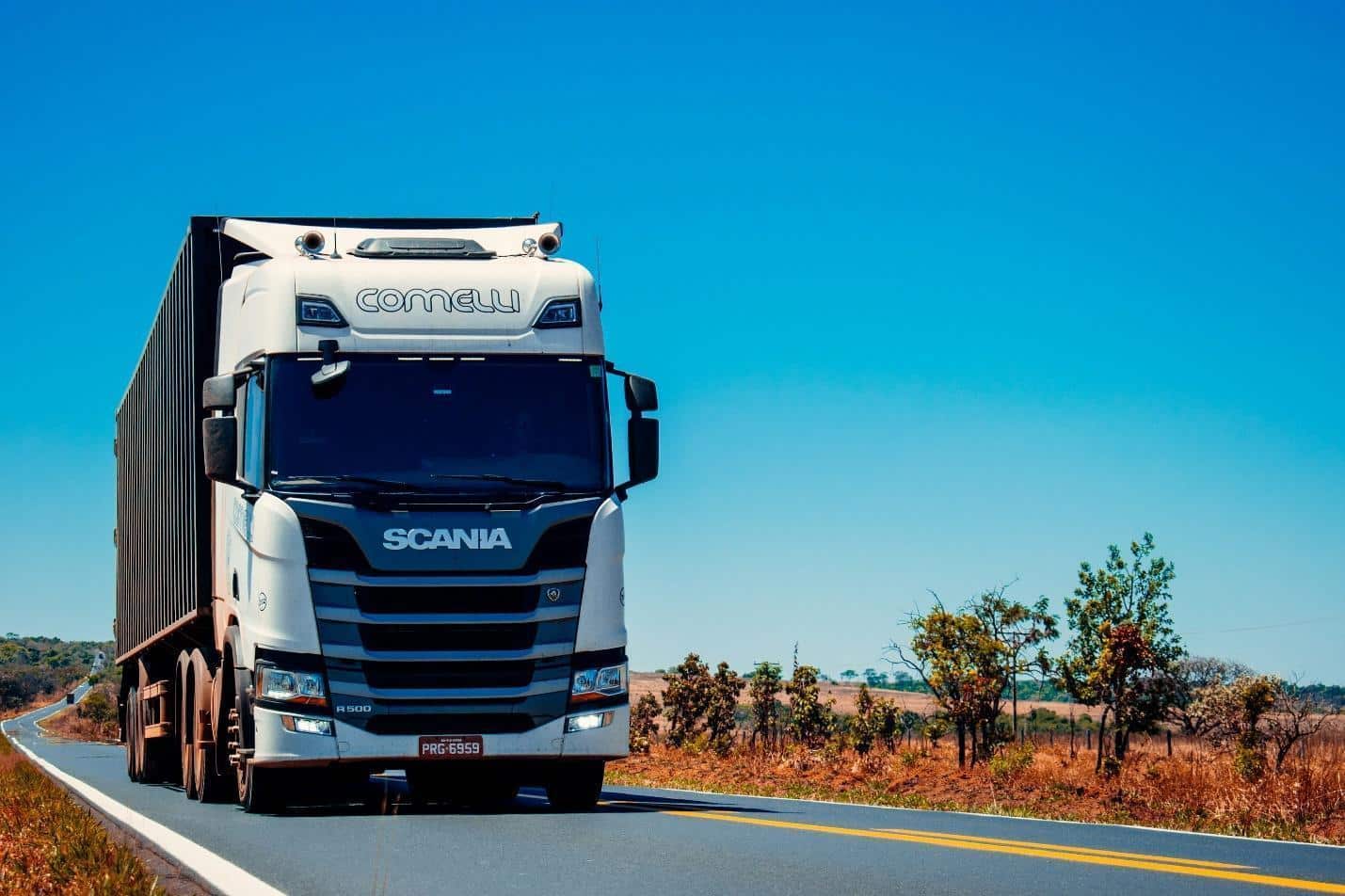
The trucking sector plays a crucial role in worldwide logistics. It ensures the timely transport of products from their point of origin to the end consumer.
However, the conditions of life and work for truck drivers remain underexplored, even though they are vital to freight transportation. Nowadays, greater focus has been placed on discussions of wage rates, perks offered, and lifestyle in the trucking industry. These talks shed light on past achievements and areas that require further improvement.
For many truckers, the driving job is much more than a source of income—it is their lifestyle. Driving professionals need to be able to cope with challenging circumstances, including long working days and irregular schedules.
This article takes a closer look at how wages are changing, what benefits are shaping the profession, and what daily life truly looks like behind the wheel in today’s trucking world.
Contents
Wages In The Trucking Industry
Ideally, wages in the trucking industry have improved significantly over the past decade, largely due to high driver demand and broader supply chain pressures. The increase in pay has been driven by sign-on bonuses and higher base wages aimed at attracting qualified workers. Interestingly, these trends are frequently highlighted in trucker news across the industry, helping drivers stay informed about changes that affect their earnings.
For example, experienced drivers, including special freight and long-haul drivers, are currently receiving salaries similar to those of other highly trained employees across various industries.
Still, wages in the trucking industry might be challenging for certain drivers. In most cases, the pay rate is determined by miles rather than hours worked. Therefore, when the driver works more miles per week, they will receive more paychecks. However, when the work schedule is disrupted, a trucker may spend a lot of time at the loading dock or in traffic without being paid extra.
Another factor affecting wages is the employment form: company drivers usually receive regular wages, while owner-operators tend to earn higher gross income. Nevertheless, owner-operators also need to account for various expenses.
Benefits And Compensation Packages
Besides, benefits and compensation have become increasingly important for those considering truck driving as a livelihood. Due to growing competition, employers have begun offering a range of additional benefits beyond salary. Among them, health insurance, pension plan, and vacation are some examples that help employees stay financially secure.
Moreover, companies have been introducing innovative perks to their compensation packages to give their employees more options that could improve their quality of life. They involve flexible work hours, programs for maintaining a healthy lifestyle, bonuses for achievements like safety or efficiency rates, as well as training courses and reimbursement for education, allowing new hires to join a profession relatively free of charge.
However, the situation is different for independent truckers. On one hand, they benefit from flexibility and better opportunities to increase earnings. On the other hand, the issue of insurance and savings remains entirely their responsibility.
To summarize, additional benefits and compensation have become increasingly important for several reasons, including attracting employees and enhancing the sustainability of the profession as a whole.
Life Behind The Wheel
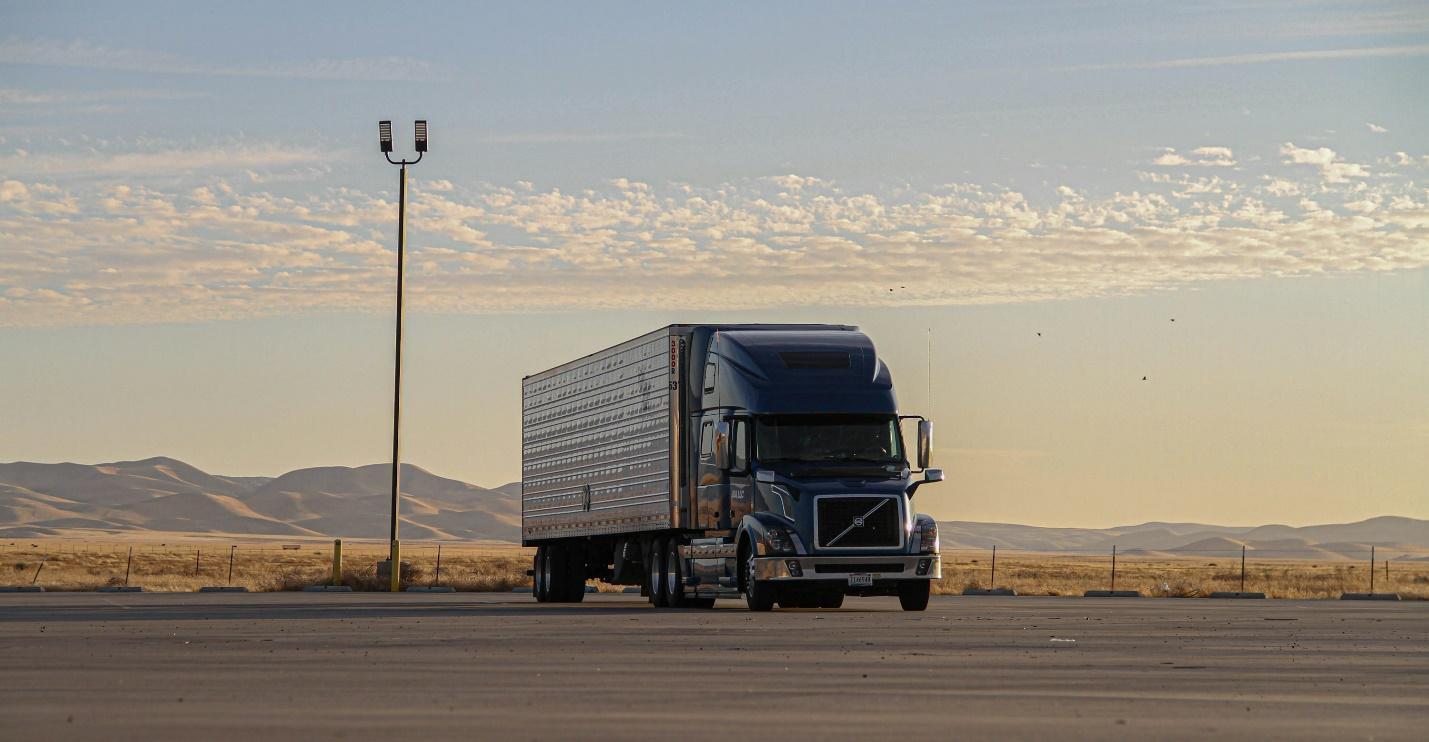
Life behind the wheel is not something you will get to enjoy in every job or career. There are several aspects unique to the life of a trucker that make this job both rewarding and challenging. For example, the driver works mostly alone and spends more time on the road than others, traveling throughout the region or even crossing borders.
Life on the road means the driver spends plenty of time away from home. In particular, a long-distance driver may spend weeks or even days away from his loved ones, yet still find ways to cope with this challenge. Many of them have established routines to maintain contact, such as calling home regularly.
Truck driving also provides its fair share of freedom. It is one of the few jobs that allow people to travel freely. In addition, the nature of the job allows drivers to travel around, which is why they can enjoy different landscapes and weather conditions while working outdoors.
Drivers should be ready for challenges related to work on the road. For instance, the job involves planning the route and making stops when necessary. They also need to stay alert and focused for long periods, prioritizing safety at all times.
Over time, many drivers develop strong problem-solving skills and a deep understanding of logistics, making them highly skilled professionals within the transportation industry.

Wrapping Up
The transport sector serves an important role in maintaining economic activities within countries. Unfortunately, despite the high wages and increased benefits, truck drivers still seem marginalized and underrepresented. Truck driving is a tough profession that requires devotion, endurance, and adaptability, among other qualities. It calls for special attention and support from employers.
With ongoing developments in the industry, there is always hope that it may reach a point where everything runs smoothly for both employers and employees. For this reason, it is important to pay attention to the financial and social well-being of drivers, since they play an important role in moving the country forward.
Overall, paying extra attention to truck drivers means investing in the entire supply chain, since they play an important role in facilitating the movement of goods.