
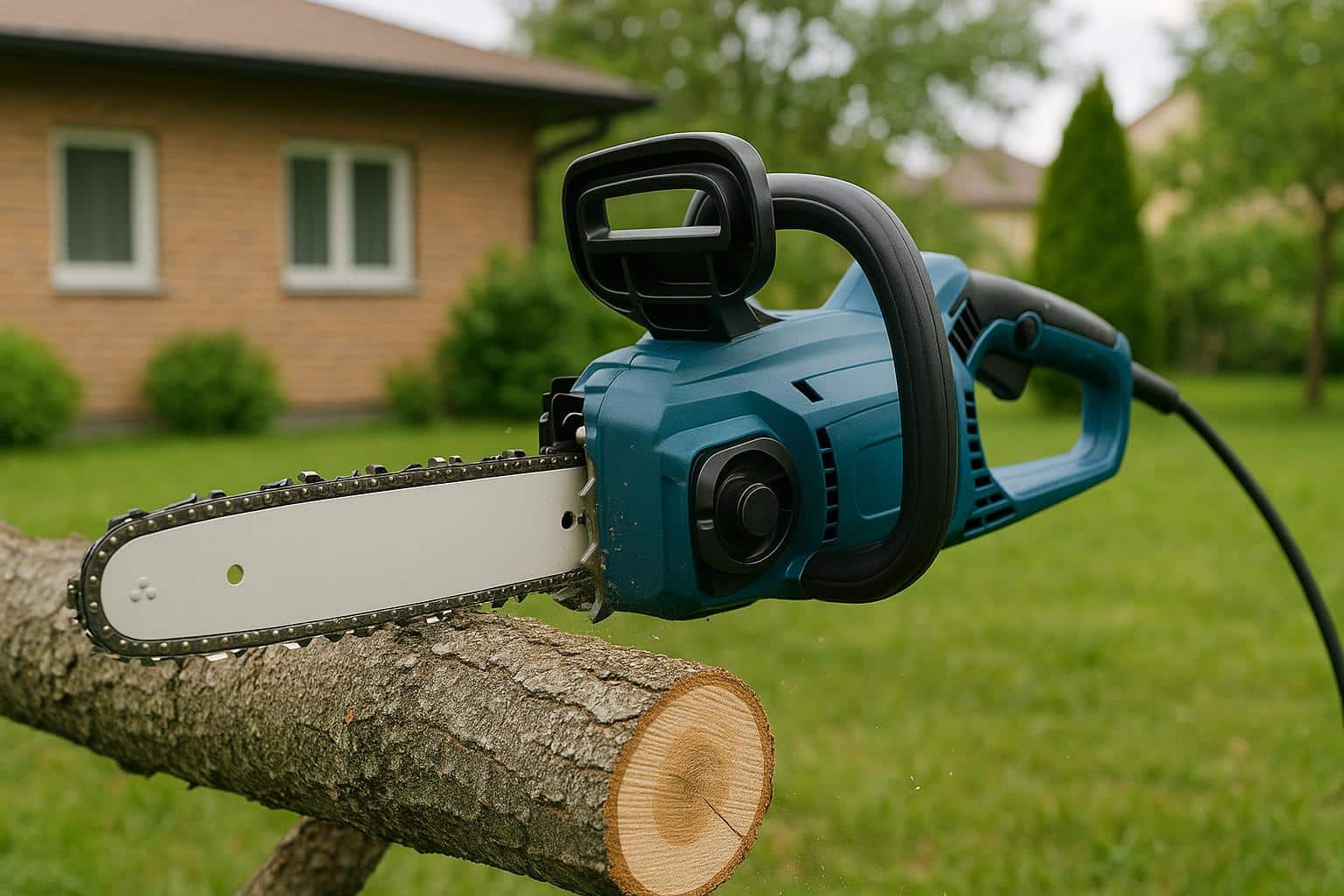
Residential yard maintenance has changed a lot in the last decade. Homeowners today aren’t just looking for power—they’re looking for control, safety, and convenience that fits into everyday routines without disturbing the neighborhood. That’s exactly where the electric chainsaw has found its place. A modern electric chainsaw is no longer seen as a lightweight alternative that “almost” replaces gas tools. In most suburban settings, it has become the more practical choice for pruning, trimming, and light cutting jobs where precision matters more than raw power. For homeowners exploring reliable cutting tools that balance performance and usability, options like a electric chainsaw offer a cleaner, quieter way to manage yard work without the stress of fuel handling or engine maintenance. The real advantage isn’t just convenience—it’s control, especially in tight residential environments.
Contents
- What “Controlled Cutting” Actually Means in Real Use
- Why Electric Chainsaws Work Better in Residential Neighborhoods
- Electric Chainsaw vs Gas Chainsaw: A Practical Comparison
- How Electric Chainsaws Improve Cutting Control
- Choosing the Right Electric Chainsaw for Residential Use
- Best Practices for Controlled Cutting
- Common Mistakes Homeowners Make
- Tips for Better Performance and Longer Tool Life
- Are Electric Chainsaws Strong Enough for Real Yard Work?
- Conclusion: A More Controlled Way to Handle Yard Cutting
- FAQ
What “Controlled Cutting” Actually Means in Real Use
Controlled cutting isn’t a marketing phrase—it’s a practical requirement in residential areas. Most homeowners aren’t cutting down large trees; they’re trimming branches near fences, shaping backyard trees, or cleaning up storm damage without risking nearby structures. Controlled cutting means precision around homes, fences, and landscaping, reduced vibration for steadier handling, predictable response when cutting different wood sizes, and safer operation in tight spaces. Gas chainsaws often prioritize power delivery, which can feel aggressive in smaller environments. Electric models provide smoother acceleration and more predictable handling, making them better suited for close-range cutting work.
Why Electric Chainsaws Work Better in Residential Neighborhoods
One of the biggest advantages of electric models is noise reduction. Traditional gas chainsaws produce constant engine sound, which can be disruptive in closely packed neighborhoods. Electric versions operate with a much quieter motor system, allowing users to work without disturbing others. Another factor is vibration. Less vibration means better control, especially during detailed cuts where accuracy matters more than speed. Startup simplicity also matters—electric chainsaws start instantly without pull cords or warm-up time, which changes how often homeowners handle small cutting tasks.
Electric Chainsaw vs Gas Chainsaw: A Practical Comparison
Electric chainsaws are quieter, lighter, easier to start, and require very little maintenance. They are ideal for pruning, trimming, and light cutting tasks. Gas chainsaws, on the other hand, deliver higher power output for large logs and heavy-duty work and are better suited for long continuous cutting sessions, but they require fuel mixing, engine maintenance, and produce more noise and vibration. For most residential users, gas power is often more than necessary, while electric systems offer enough cutting ability with far less complexity.
How Electric Chainsaws Improve Cutting Control
Control is where electric chainsaws truly stand out. The combination of lighter weight and smoother motor response allows more precise cutting without overcorrection. This is especially useful when working near fences, rooftops, sheds, or tight landscaping areas. Because the tool is easier to balance, users spend less energy stabilizing the saw and more focus on guiding accurate cuts, which improves both safety and finish quality.
Choosing the Right Electric Chainsaw for Residential Use
Light residential use typically requires compact models for trimming and small branch cleanup. Regular yard maintenance benefits from mid-range models with stronger motors and longer bar length. Heavier home use, such as storm cleanup or thicker branches, may require higher-voltage systems for added performance. The key is matching the tool to real usage instead of overestimating power needs, which often leads to unnecessary weight and cost.
Best Practices for Controlled Cutting
Good cutting control depends on technique as much as equipment. Chain tension should always be checked before use for accuracy and safety. Branches should be secured before cutting to avoid movement during the cut. Smooth, steady pressure should be used instead of forcing the saw, allowing the chain to cut naturally. Proper stance and grip also help maintain stability, especially during angled or overhead cuts.
Common Mistakes Homeowners Make
A dull chain is one of the most common issues, reducing both cutting speed and control. Improper chain tension can also lead to unsafe or uneven cuts. Many users apply excessive pressure, thinking it improves speed, but it actually slows performance. Poor battery care, such as leaving batteries in extreme heat or fully drained, can also reduce tool lifespan significantly.
Tips for Better Performance and Longer Tool Life
Keeping the chain sharp improves efficiency and safety. Cleaning debris after each use prevents buildup that can affect performance. Batteries should be stored in cool, dry conditions to maintain long-term health. Planning cuts before starting improves accuracy and reduces unnecessary repositioning during work.
Are Electric Chainsaws Strong Enough for Real Yard Work?
Modern electric chainsaws are more than capable of handling typical residential tasks. They are designed for pruning, trimming, branch cutting, and storm cleanup. While they are not intended for continuous heavy-duty logging, they deliver more than enough power for everyday home maintenance with far better control and convenience.
Conclusion: A More Controlled Way to Handle Yard Cutting
The electric chainsaw has become a practical solution for homeowners who value control, safety, and convenience. In residential environments where precision matters more than brute force, it offers a quieter, lighter, and more manageable cutting experience. Instead of dealing with fuel, noise, and heavy equipment, users can now handle routine yard work efficiently with a tool designed for control and ease of use. For modern residential cutting needs, that balance makes electric chainsaws a smarter long-term choice.
FAQ
1. Can an electric chainsaw cut thick branches?
Yes, most modern electric chainsaws can handle medium-thickness branches effectively when properly maintained.
2. How long does an electric chainsaw battery last?
It depends on usage, but most batteries can handle typical residential cutting tasks on a single charge.
3. Do electric chainsaws require maintenance?
Minimal maintenance is needed, mainly chain sharpening, cleaning, and proper battery care.
4. Are electric chainsaws safe for beginners?
Yes, they are easier to control than gas models and are considered beginner-friendly with proper safety use.
5. Can electric chainsaws replace gas models completely?
For residential and light-duty use, yes. For heavy commercial cutting, gas chainsaws are still more suitable.