
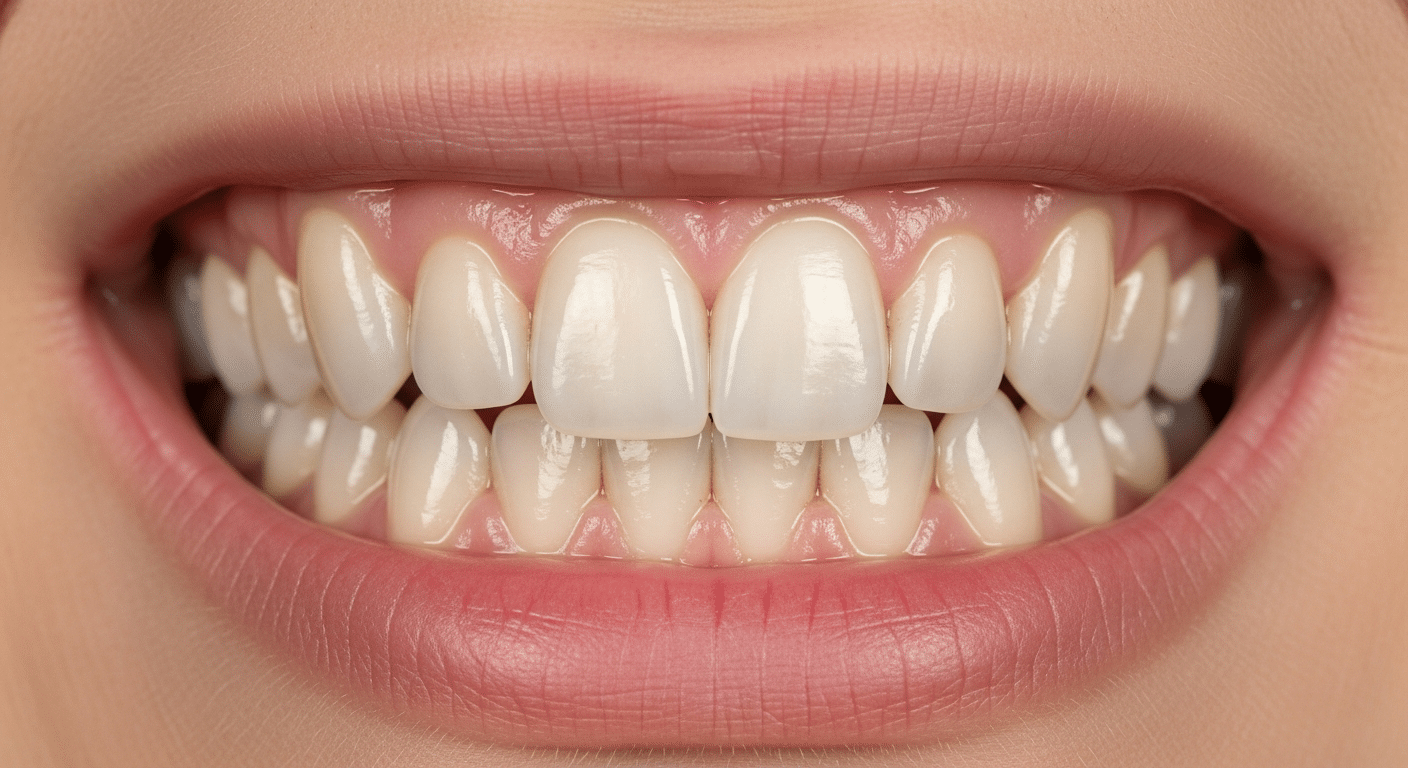
Porcelain restorations have become a cornerstone of aesthetic dentistry, offering patients the opportunity to achieve a natural and radiant smile. Among the advanced options, natural-looking feldspathic veneers stand out for their translucency, strength, and ability to mimic the appearance of real teeth. These veneers provide a seamless solution for enhancing smiles, whether the goal is to correct discoloration, minor misalignment, or surface imperfections. Proper planning, precision, and maintenance are essential to ensure their long-lasting success and visual appeal.
Contents
1. Comprehensive Smile Assessment
Dentists evaluate the structure, alignment, and health of existing teeth to ensure that porcelain restorations integrate harmoniously with the natural dentition. This step sets the foundation for precise treatment planning and predictable outcomes.
- Detailed Oral Examination
A thorough examination helps identify potential issues such as cavities, worn enamel, or gum recession. Addressing these concerns prior to placement ensures the longevity of the restorations and prevents complications in the future. - Facial and Smile Analysis
Assessing facial proportions, lip line, and smile dynamics allows dentists to design veneers that complement the patient’s overall appearance. This ensures that the final result looks natural rather than artificial. - Customized Treatment Planning
Each restoration is tailored to individual needs, taking into account tooth shape, colour, and alignment. Personalized planning ensures a high degree of precision, reducing the risk of mismatched or ill-fitting veneers.
2. Selection of High-Quality Materials
The choice of porcelain and veneer type significantly impacts durability, aesthetics, and patient satisfaction. Materials that mimic the optical properties of natural enamel contribute to a realistic and long-lasting smile.
- Translucent Porcelain Options
High-quality porcelain provides a depth and translucency that closely resembles natural teeth. This allows light to reflect in a lifelike manner, enhancing the aesthetic appeal and making the restorations virtually indistinguishable. - Durable Ceramic Compositions
Modern feldspathic materials are engineered to withstand daily chewing forces while maintaining their shape and colour. Durability is essential for ensuring that restorations remain functional and visually appealing over time. - Precision Layering Techniques
Applying porcelain in carefully controlled layers helps achieve a natural gradation of colour and translucency. This technique is crucial for replicating the subtle characteristics of natural teeth, resulting in a seamless smile.
3. Accurate Tooth Preparation
Proper tooth preparation ensures the veneers fit perfectly, function correctly, and look natural. This process balances minimal enamel removal with optimal surface bonding to provide strong adhesion and long-term stability.
- Conservative Enamel Removal
Removing only the necessary enamel preserves the integrity of the natural tooth while creating space for the veneer. Conservative preparation protects tooth strength and reduces the risk of sensitivity. - Smooth Surface Contouring
Carefully shaping the tooth surface ensures that the veneer fits snugly without gaps. A precise contour improves both aesthetics and hygiene by minimizing areas where plaque could accumulate. - Accurate Impression Taking
High-quality impressions capture the exact tooth dimensions, allowing the laboratory to fabricate veneers that fit flawlessly. This step is critical for ensuring proper alignment, bite, and overall function.
4. Expert Lab Fabrication
The quality of the dental laboratory work directly affects the final result. Skilled technicians create veneers that reflect natural colour variations, translucency, and surface texture.
- Customized Shade Selection
Selecting the correct shade for each veneer ensures a harmonious appearance with surrounding teeth. Proper colour matching is vital for a seamless, natural-looking smile. - Detailed Surface Texture Replication
Laboratory technicians replicate the fine ridges and grooves found in natural teeth. This attention to detail adds realism and prevents the veneers from appearing flat or artificial. - Precise Veneer Shaping
Each veneer is meticulously shaped to match the tooth’s natural contours. Accurate shaping improves comfort, bite function, and overall visual harmony.
5. Expert Placement Techniques
Accurate placement is essential for both aesthetics and function. Skilled dentists ensure veneers are bonded securely and aligned perfectly with adjacent teeth.
- Surface Preparation for Bonding
The tooth surface is treated to create optimal conditions for adhesion. This step ensures the veneer remains firmly attached and reduces the risk of debonding over time. - Precision Veneer Positioning
Careful placement ensures proper alignment, bite, and contact points with neighbouring teeth. Accurate positioning enhances chewing efficiency and prevents undue stress on the restoration. - Light Curing and Bonding
Specialized curing techniques strengthen the bond between tooth and veneer. This ensures durability, long-term stability, and a natural finish.
6. Maintenance and Oral Hygiene
Maintaining porcelain restorations requires consistent care to preserve their appearance and function. Patients must adopt oral hygiene practices that protect both natural teeth and veneers.
- Regular Brushing and Flossing
Daily oral hygiene prevents plaque buildup along the veneer margins. Proper brushing and flossing help maintain gum health and prevent staining. - Avoiding Excessive Wear
Limiting hard or abrasive foods reduces the risk of chipping or cracking. Patients should also avoid habits such as nail-biting or using teeth as tools. - Routine Dental Check-ups
Periodic professional evaluations allow early detection of any issues. Regular monitoring ensures that the veneers continue to function optimally and remain visually flawless.
7. Long-Term Considerations for Success
The success of porcelain restorations depends on a combination of patient care, professional expertise, and quality materials. Following guidelines and staying engaged with regular monitoring ensures longevity.
- Adhering to Care Instructions
Following professional recommendations supports durability and aesthetics. Patient compliance directly influences restoration lifespan. - Regular Professional Monitoring
Dental visits allow early detection of minor issues before they escalate. Consistent supervision ensures the veneers remain functional and attractive. - Choosing Quality Materials and Techniques
Using high-grade materials like natural-looking feldspathic veneers and precise laboratory methods ensures long-term performance. Investing in quality enhances both durability and visual appeal.
Conclusion
Porcelain restorations offer a refined solution for achieving a natural, radiant smile when executed with precision and care. Proper assessment, material selection, preparation, and maintenance collectively determine the success and longevity of these restorations. Clinics such as Queens Elite Medical emphasize structured treatment protocols, professional expertise, and patient education, creating an environment where sophisticated solutions like feldspathic veneers dentist Dubai can be effectively implemented. By combining advanced techniques, high-quality materials, and personalized care, patients can enjoy durable, functional, and aesthetically pleasing restorations that maintain both oral health and confidence for years to come.