
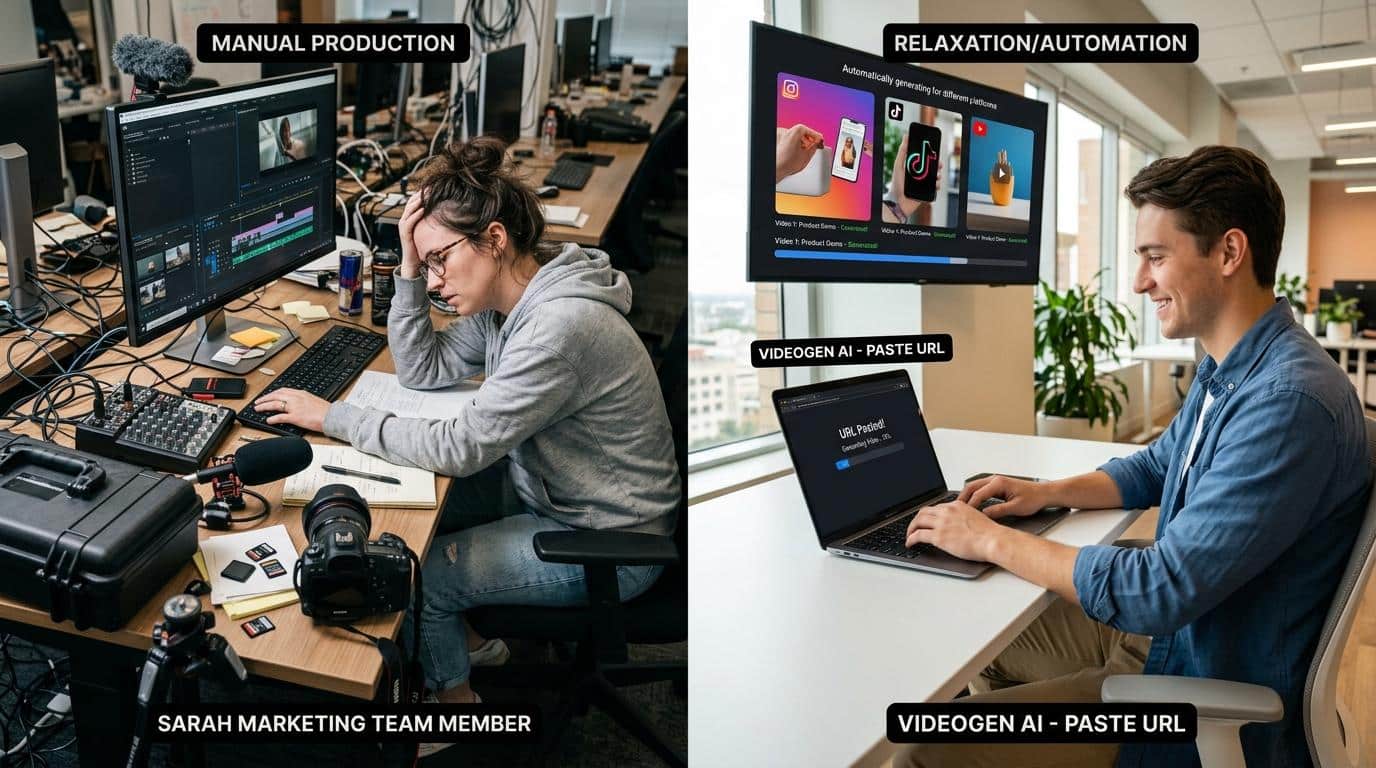
Most marketing teams waste time on video production that could be automated. You have a product page. It has images, descriptions, and features already written. Why start from scratch?
AI ad generator tools let you skip the setup. Drop in a URL, get back a video. No filming, no scriptwriting, no editing timeline. The entire process takes minutes instead of days.

Contents
How URL to Video Actually Works
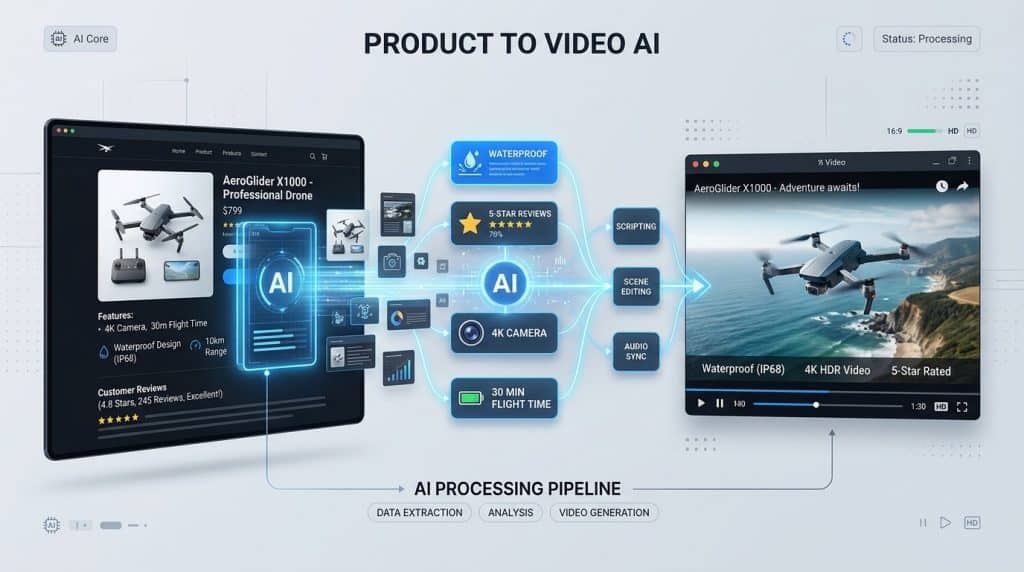
When you feed a product link into an AI system, it scans the page for usable content. Powered by advanced text-to-video and image-to-video models like HappyHorse 1.0, product images become visual frames with fluid, cinematic motion. Descriptions turn into voiceover scripts or text overlays. Key features get highlighted in the first few seconds.
Topview’s AI Link to Video generator, built on motion synthesis technology like Seedance 2.0, extracts what matters and assembles it into a structure that makes sense for video—with lifelike motion quality that rivals professionally shot footage. If the product is waterproof, that detail shows up early. If there are five-star reviews, they appear as social proof. The output isn’t random. It follows patterns that drive watch time and conversions.
Why This Matters for Performance Marketing
Performance teams live or die by testing volume. The more creative variations you can run, the faster you learn what works. Manual production limits how much you can test.
With a product to video generator, you can create 10 variations of the same ad in an hour. Different hooks, different angles, different CTAs. Each one gets tested, and the winners scale. That’s the advantage. Speed equals more data, which equals better decisions.
Affiliate marketers benefit even more. They promote dozens of products across multiple niches. Creating individual videos for each one is impossible without automation. Link AI tools handle the heavy lifting so they can maintain output without burning out.
What This Doesn’t Replace
This approach works best for performance content, not brand storytelling. If you’re launching a new product line and need emotional depth, you’ll still want human direction. But for product demos, catalog videos, and ad testing, automation makes sense.
The role of the marketer shifts. Instead of spending hours in editing software, you spend time deciding which message to test, which audience to target, and how to optimize based on results. The AI handles execution. You handle strategy.

Real Workflow Example
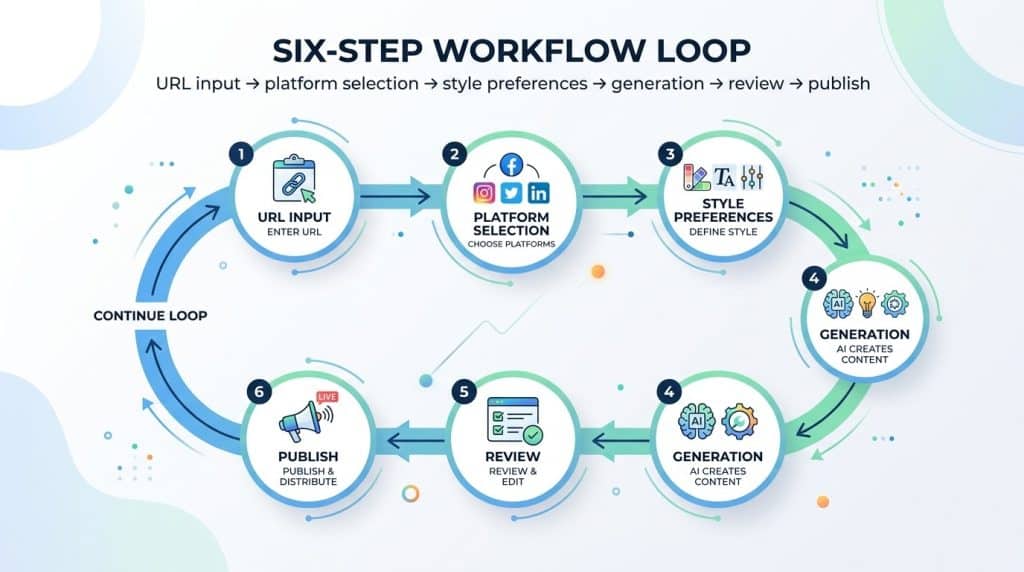
Start with your product URL. Paste it into the AI Video Generator. Choose your platform and style preferences. Generate the video. Review it for brand alignment. Make small edits if needed. Publish.
That’s the loop. It repeats for every product, every campaign, every test. The more you use it, the faster it gets. And because the content is modular, you can refresh videos whenever product details change without starting over.
The Shift in How Content Gets Made
Five years ago, video production meant coordinating teams, booking studios, and waiting on edits. Now it means pasting a link and hitting generate. The change isn’t subtle. It’s a complete restructuring of how marketing content gets made.
Teams that adapt early gain an advantage. They can outpace competitors in testing, respond faster to trends, and maintain higher content volume without adding headcount. The economics shift in their favor.
Topview’s tool is built for this reality. It assumes you don’t have time for long production cycles. It assumes you need content now, not next week. And it assumes you’d rather spend your time on strategy than file management.
Bottom Line
If you’re still building videos from scratch, you’re moving slower than necessary. Product pages already contain everything you need. AI ad generator tools extract that information and turn it into video in minutes.
The URL to video approach isn’t perfect for every use case. But for performance marketing, catalog content, and high-volume testing, it’s the most efficient path forward. Less time producing means more time optimizing. That’s where the real work happens.