
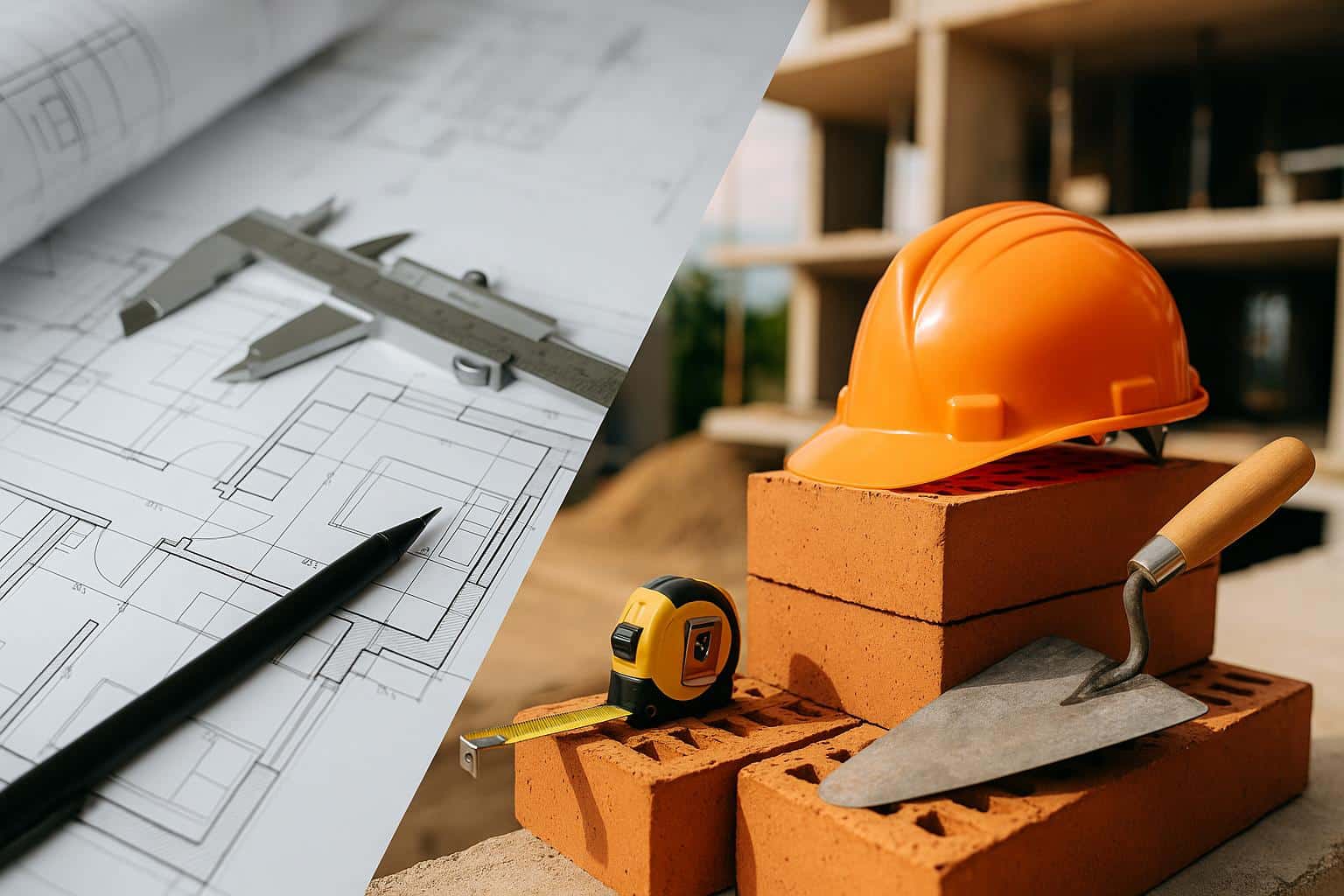
The construction and infrastructure sectors are changing in ways that are both subtle and profound. Materials are evolving. Technologies are advancing. Project demands are becoming more complex. Yet, amid all this transformation, one factor remains central: the people who do the work.
Skilled trades are no longer just a supporting element in construction. They are shaping its direction. Their expertise influences how projects are designed, how they are executed, and how efficiently they are delivered. This shift is redefining the future of building and public works in practical, measurable ways.
Contents
- The Expanding Role of Skilled Trades
- Bridging the Gap Between Design and Execution
- Driving Innovation on the Job Site
- Addressing Labor Shortages and Workforce Development
- Integrating Technology with Skilled Labor
- Improving Safety and Compliance
- Supporting Sustainable Construction Practices
- Shaping the Future of Infrastructure
- Conclusion
The Expanding Role of Skilled Trades
Traditionally, tradespeople were seen as executors of plans created elsewhere. That model is fading. Today, electricians, welders, carpenters, and other specialists contribute insights that impact planning from the earliest stages.
Their hands-on experience brings realism to design. They understand material behavior, site conditions, and workflow challenges in ways that cannot always be captured on paper. As a result, project teams increasingly rely on their input to avoid costly revisions later.
This expanded role is not just about efficiency. It also improves outcomes. When skilled workers are involved early, projects tend to be safer, more durable, and better aligned with real-world conditions.
Bridging the Gap Between Design and Execution
One of the persistent challenges in construction has been the disconnect between design intent and on-site reality. Skilled trades are now playing a critical role in closing that gap.
Modern projects often involve complex systems—mechanical, electrical, and structural elements that must work together seamlessly. Tradespeople are uniquely positioned to identify potential conflicts before they escalate. They translate abstract plans into practical solutions.
This bridging function is becoming even more important as digital tools like Building Information Modeling (BIM) gain traction. While software can simulate outcomes, it is the experience of trades professionals that ensures these models reflect actual buildability.
In many cases, their involvement reduces delays. It also minimizes rework, which remains one of the largest sources of waste in construction projects.
Driving Innovation on the Job Site
Innovation in construction is often associated with new materials or advanced machinery. However, a significant portion of innovation originates from the job site itself.
Tradespeople regularly adapt techniques to solve immediate problems. These solutions, though sometimes small in scale, can lead to broader changes in practice. Over time, they shape industry standards.
For example, improvements in installation methods can reduce labor hours while maintaining quality. Adjustments in sequencing can enhance workflow efficiency. These innovations are practical, tested, and grounded in experience.
Addressing Labor Shortages and Workforce Development
The demand for skilled trades continues to rise. At the same time, many regions face a shortage of qualified workers. This imbalance is influencing how the industry approaches workforce development.
Efforts to attract new talent are becoming more structured. Apprenticeship programs are expanding. Training initiatives are focusing on both technical skills and adaptability. The goal is not just to fill positions, but to build a resilient workforce.
Recruitment strategies are also evolving. Companies are placing greater emphasis on targeted outreach and long-term planning. In this context, effective tradesmen recruitment has become a critical component of project success.
A strong workforce pipeline ensures continuity. It also supports the adoption of new technologies, as trained workers are better equipped to integrate modern tools into their daily tasks.
Integrating Technology with Skilled Labor
Technology is transforming construction, but it does not replace skilled labor. Instead, it enhances it.
Tools such as drones, laser scanning, and prefabrication systems are changing how projects are executed. However, these tools require skilled operators. They also depend on workers who can interpret data and apply it effectively.
The relationship between technology and trades is collaborative. Skilled professionals adapt to new tools, while technology amplifies their capabilities. This synergy leads to greater precision and efficiency.
For instance, prefabrication relies heavily on trades expertise. Components must be assembled accurately off-site before being installed. Any miscalculation can disrupt the entire process. Skilled workers ensure that these systems function as intended.
Improving Safety and Compliance
Safety remains a top priority in construction and infrastructure projects. Skilled trades play a central role in maintaining safe working environments.
Their experience allows them to identify hazards quickly. They understand the risks associated with specific tasks and materials. This awareness contributes to proactive safety measures.
Moreover, compliance with regulations often depends on proper execution at the ground level. Skilled workers ensure that installations meet required standards. Their attention to detail reduces the likelihood of violations and associated penalties.
As projects become more complex, the importance of this expertise increases. Safety is not just about following rules. It is about applying knowledge in dynamic environments.
Supporting Sustainable Construction Practices
Sustainability is becoming a defining factor in construction. Projects are expected to minimize environmental impact while maintaining performance.
Skilled trades contribute directly to these goals. Their work affects material usage, energy efficiency, and waste management. Proper installation, for example, can significantly improve a building’s energy performance.
In addition, tradespeople often identify opportunities to reduce waste on-site. Small adjustments in cutting, fitting, or sequencing can lead to meaningful savings over the course of a project.
Sustainable construction is not achieved through design alone. It requires precise execution. Skilled workers ensure that sustainability goals are realized in practice.
Shaping the Future of Infrastructure
Infrastructure projects—roads, bridges, utilities—are essential to economic development. They also present unique challenges due to their scale and complexity.
Skilled trades are central to meeting these challenges. Their expertise ensures that projects are completed efficiently and built to last. This is particularly important as infrastructure systems age and require modernization.
The future of infrastructure will depend on adaptability. New materials, changing regulations, and evolving demands will shape how projects are delivered. Skilled trades provide the stability needed to navigate these changes.
They bring consistency to an otherwise shifting landscape. Their work forms the foundation upon which innovation can occur.
Conclusion
The influence of skilled trades in construction and infrastructure is growing steadily. Their role has expanded beyond execution to include planning, problem-solving, and innovation.
This shift reflects a broader recognition of their value. Projects are more successful when they incorporate practical expertise from the outset. Efficiency improves. Risks decrease. Outcomes are stronger.
As the industry continues to evolve, the importance of skilled trades will only increase. They are not just participants in construction. They are shaping its future—one project at a time.