

Getting a lush, green lawn is never straightforward. The amount of work and time required to grow a lawn is enormous. One of the most disturbing issues with modern lawns is weeds. Weeds are those uninvited guests that must poke their noses into the lawn’s business. These visitors can quickly turn your beautiful lawn into a patchy and frustrating landscape. They compete with your lawn for nutrients, weakening its growth and potential.
Common offenders on today’s lawns include broadleaf weeds, dandelions, and crabgrass. These unfriendly visitors can disrupt your lawn’s aesthetic harmony, creating bare spots that leave it vulnerable to diseases and pests. For a lawn owner, knowing how to control weeds is important.
Controlling weeds involves various processes that remove the plants through active and preventive management. The following tips for proper weed control can help your lawn grow stronger and longer with minimal investment.
Contents
1. Proper Fertilization
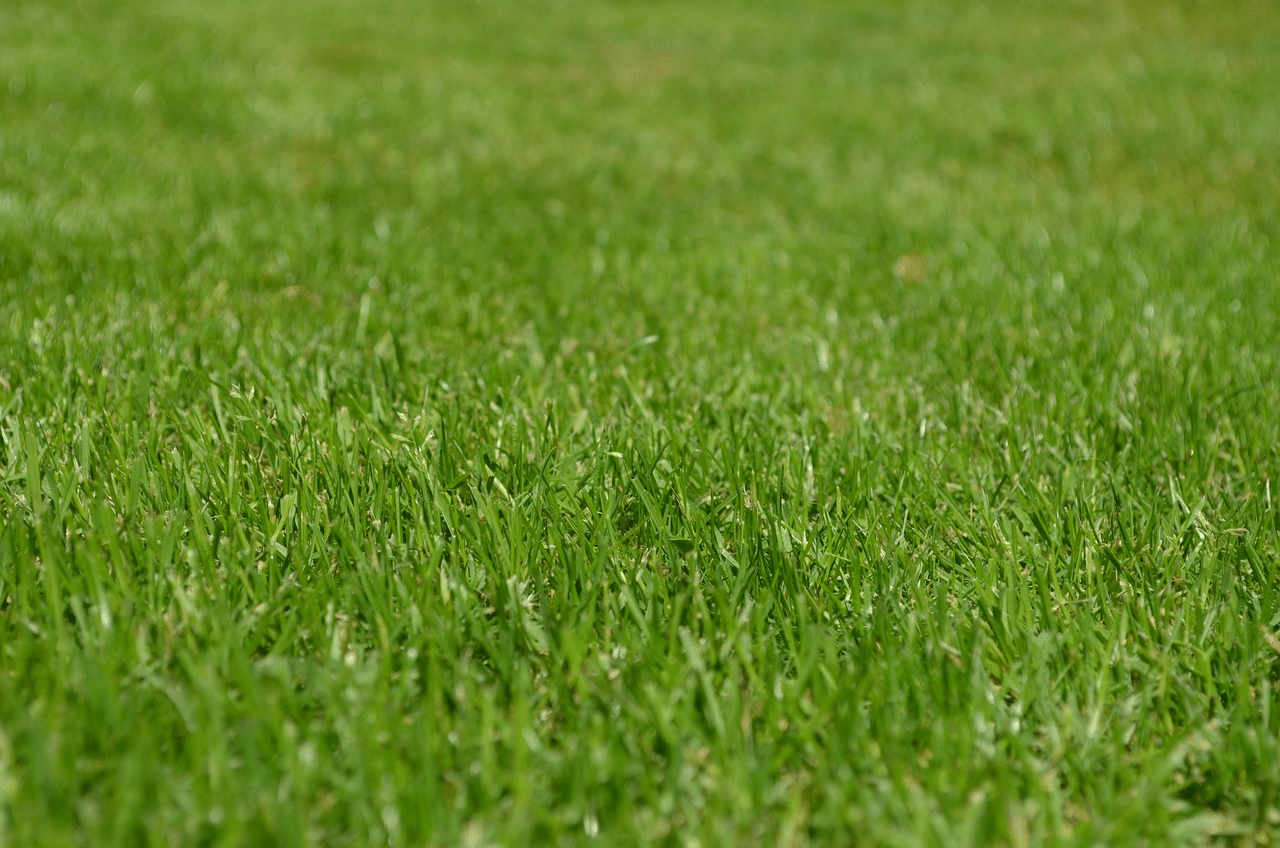
When the grass outgrows the weed, it can effortlessly grow strong and dense. A healthy and vigorous lawn can compete best for nutrients, sunlight, and water. That leaves less space for weeds to grow. The best way to achieve maximum results is by using the correct fertilizer.
A professional lawn care specialist can guide you into proper fertilization. They can help you choose the best fertilizer for your lawn and apply it correctly. That will ensure your lawn extracts maximum content from the fertilizer’s nutrients. Fertilizers with standard nitrogen content can discourage weed growth.
If you are in areas such as Westfield, where maintaining healthy, consistent turf conditions is important due to varying soil and weather conditions, proper care practices become essential. With this in mind, contacting specialists for lawn care in Westfield can be a wise decision. In such locations, regular fertilization and maintenance help keep grass dense, green, and resilient throughout the year.
Always remember that well-fertilized lawns can recover from damage and stress without much effort. It can prevent weeds from gaining a strong foothold. Proper fertilization can strengthen the roots and make the grass more resilient. Highly resilient grass can withstand harsh environmental conditions and heavy foot traffic. Experts can pair proper fertilization with watering and height-control methods to create a healthy, naturally resistant grass.
2. Strategic Mulching

Ideally, mulching is a potent strategy that helps control weeds and improve the lawn’s health. When you cover the soil with organic materials, you can block sunlight from reaching the weed seeds. Shredded leaves, wood chips, and straw deprive weed seeds of light and other nutrients that support germination. That way, you will notice fewer weeds growing.
Mulching reduces evaporation, maximizing soil moisture retention. It can stabilize soil temperature, especially during cold winters and hot summers. It adds organic matter to your soil as it decomposes.
2. Spot-Treat the Weeds
Spot-treating weeds in your lawn has many long-term benefits. The method targets the problematic areas without impacting the entire lawn. Spot treatment focuses on the weed, leaving healthy grass. The specialized weed-killing solutions usually target the weeds around the lawn. They allow you to apply the right solutions at the right time. The process reduces chemical runoff, saving you money and time. The weed control method prevents weed patches from spreading and covering a broader surface.
Spot treatment works best with manual removal. Digging or pulling weeds eliminates the problem at the root. It ensures the treatment solutions can reach the remaining root fragments to stop regrowth. Consistent spot treatment can keep your lawn healthier by allowing the grass to grow densely. The environmentally friendly treatment provides excellent control, enabling fast, safe growth.
4. Preventive Measures

Preventive measures are essential for establishing a robust weed control strategy. There are many preventive measures to leverage to optimize lawn growth. You want to fertilize, mow, and water your grass properly to keep it thick and healthy. Dense grass is a natural barrier that blocks sunlight from reaching weed seeds. You should also invest in pre-emergent herbicides, especially during the early growing season. That can prevent crabgrass and other weeds from sprouting.
Keep your lawn edges clean to minimize bare patches and reduce entry points. Invest in regular lawn inspections to detect weed growth before they become a menace. Ensure you aerate compacted soil to optimize nutrient absorption and airflow. That helps grass to outcompete weeds. Overseeding is another strategy that can help strengthen overall coverage. You can also invest in cleaning the lawn equipment regularly to prevent weed seeds from spreading across the yard. Mowers can spread weeds without your knowledge. These preventive strategies are sure to keep your grass looking healthy while preventing weed growth.
Wrapping Up
Effective weed control requires being smart and consistent about everything. You must practice proper lawn fertilization and spot treatments. Apply preventive measures and invest in smart mowing to grow a healthy, dense lawn. Such lawns have a robust support system to resist weed invasion. Combining all these methods ensures long-term results by reducing excessive chemical use.
A well-maintained lawn looks beautiful and can enhance your curb appeal. Proactive weed control ensures early detection and addressing of issues. They make it impossible for weeds to grow and spread. The right approach can help make your lawn stronger, resilient, and eye-catching.