
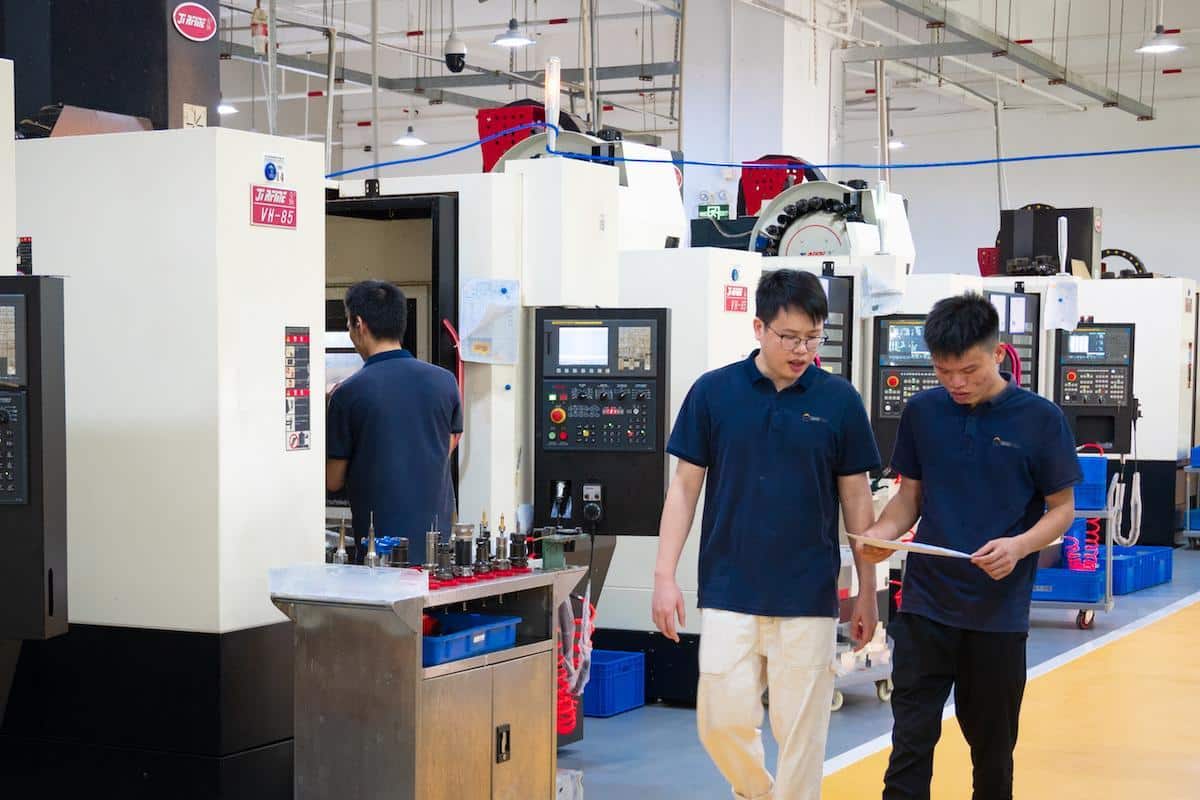
Similar CNC machines produce very different results in high-mix production, many assume machining efficiency depends on spindle speed, machine accuracy, or the presence of advanced multi-axis systems. In practice, most instability originates from uncontrolled variation between jobs.
High-mix production requires frequent transitions between different part geometries, materials, and tolerance schemes. One setup may involve aluminum housings requiring aggressive roughing, while the next requires stainless steel brackets with tight positional tolerances. Each transition introduces new workholding methods, revised toolpaths, and updated offset structures. This article explains why focusing on process control is a vital aspect in achieving machining consistency.
Contents
The Nature of High-Mix Complexity: Variability Everywhere
High-mix CNC machining is inherently complex by design and therefore every new machine order changes machining conditions in some way that will affect tool engagement, fixture rigidity, and thermal stability.
Geometry variation is one of the major contributors to high-mix complexity. Deep pockets, thin ribs, and compound surfaces require different cutter engagement strategies. Long-reach end mills are at highest deflection risk when their stick-out exceeds the recommended ratios for those parts. Multi-axis features commonly require staged setup or 3+2 positioning, each requiring additional datum transfer.
Material variety further enhances the problem. Aluminum permits aggressive chip removal but makes chatters much more likely with wall sections thinner than they were before. Hardened steels demand lower feed rates and make tool wear more sensitive. Engineering plastics must be carefully clamped to prevent distortion.
Besides, tolerance shift increases sensitivity to small process shifts. Any tight flatness or positional tolerance will amplify the effects of fixture misalignment or tool wear. During setups where datum references shift between setups, tolerance stacking over multiple operations can become very difficult to control.
Thus every new job will require resetting work offsets, machining new soft jaws, revised tool libraries loaded into the machine controller, and toolpaths validated through simulation. Without defined process control these frequent transitions will introduce unpredictable output.
WayKen’s Perspective: Process Control as a System, Not a Step
At WayKen manufacturing, process control is treated as a system that runs through the entire machining workflow rather than a step tied only to inspection. DFM review, CAM planning, machine execution, and inspection are integrated through its ISO 9001 quality system and digital MES + ERP workshop management platform, where machining schedules, tool usage, and production status are monitored in real time.
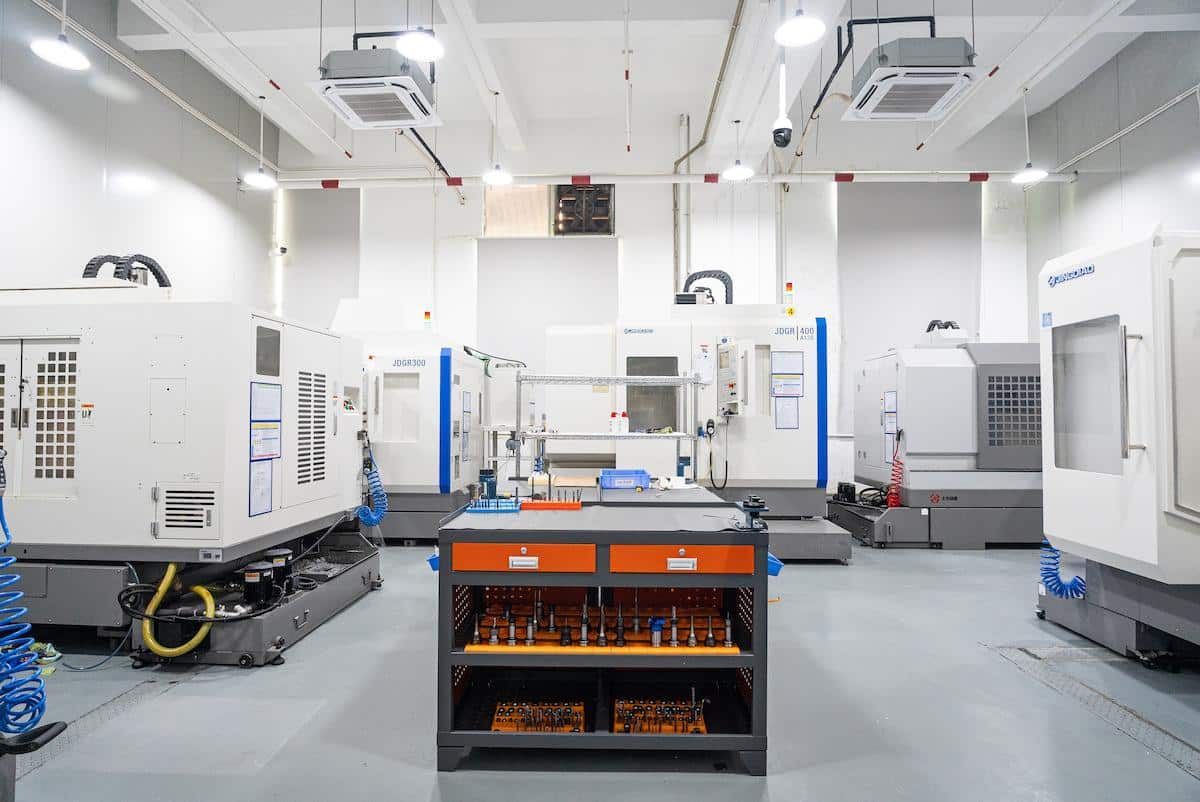
WayKen’s control starts in design review. cad geometry is evaluated by WayKen to determine excessive tool reach; unsupported thin sections; and difficult internal features prior to programming development. Tool paths are developed with stable cutter engagement, controlled roughing loads, predictable finishing conditions and verified against fixture clearance, machine travel and tool access before reaching the machine floor.
The shop floor has standardization of processes. On complex geometry, WayKen utilizes JINGDIAO high speed 5 axis machining center; whereas, repeat precision jobs are supported by HAAS VF series machining platforms. Part geometry determines which machining capabilities to utilize on each job versus utilizing one machining strategy for all job.
Tool control is also systemic. WayKen’s digital tool management system tracks tool life; monitors usage cycles; and provides notification of when replacement is due prior to tool wear having any effect upon dimensional accuracy, bore consistency or surface finish. Repeatability of setups occur through documented setup parameters, defined datum structures and recorded process instructions; reducing variability from one operator to another for repeat orders.
In the last stage, measurements become tools for validating that controlled machining conditions produce predictable dimensional outcomes. CMMs & precision gauges of WayKen validate that controlled machining conditions have produced predictable dimensional results. Significance of measurements does not only reside within validating individual parts’ quality but also producing repeated data patterns throughout production batches.
The Key Role of Process Control is Reflected in the Following Aspects
Effective process control begins with a clearly defined product. This first requires a Design for Manufacturing (DFM) review to assess machinable geometries, ensuring that features are easy to machine, have good rigidity, and fall within machining limits. Tolerances are allocated according to design intent, thereby minimizing unnecessary operations and improving production efficiency. Material selection is equally critical, choosing materials with good stability and machinability reduces tool wear, thermal loads, and machining variability, ensuring consistent machining cycle performance.
In addition, in small-batch, high-variety machining, pre-machining decision-making and maintaining workshop stability are also critical.
Given the vast differences in part geometry, material hardness, and tolerance requirements, tool selection must balance durability and adaptability to ensure optimal cutting loads and tool life for each operation. Fixture design is also critical: modular fixtures, custom soft jaws, or multi-sided clamping solutions must ensure consistent reference alignment for every setup; otherwise, vibration, surface scratches, or positioning deviations may occur. Program verification and simulation runs help identify issues such as toolpath collisions, improper feed rates, or insufficient safety clearances in advance, thereby avoiding inefficient machine movements and unexpected downtime.
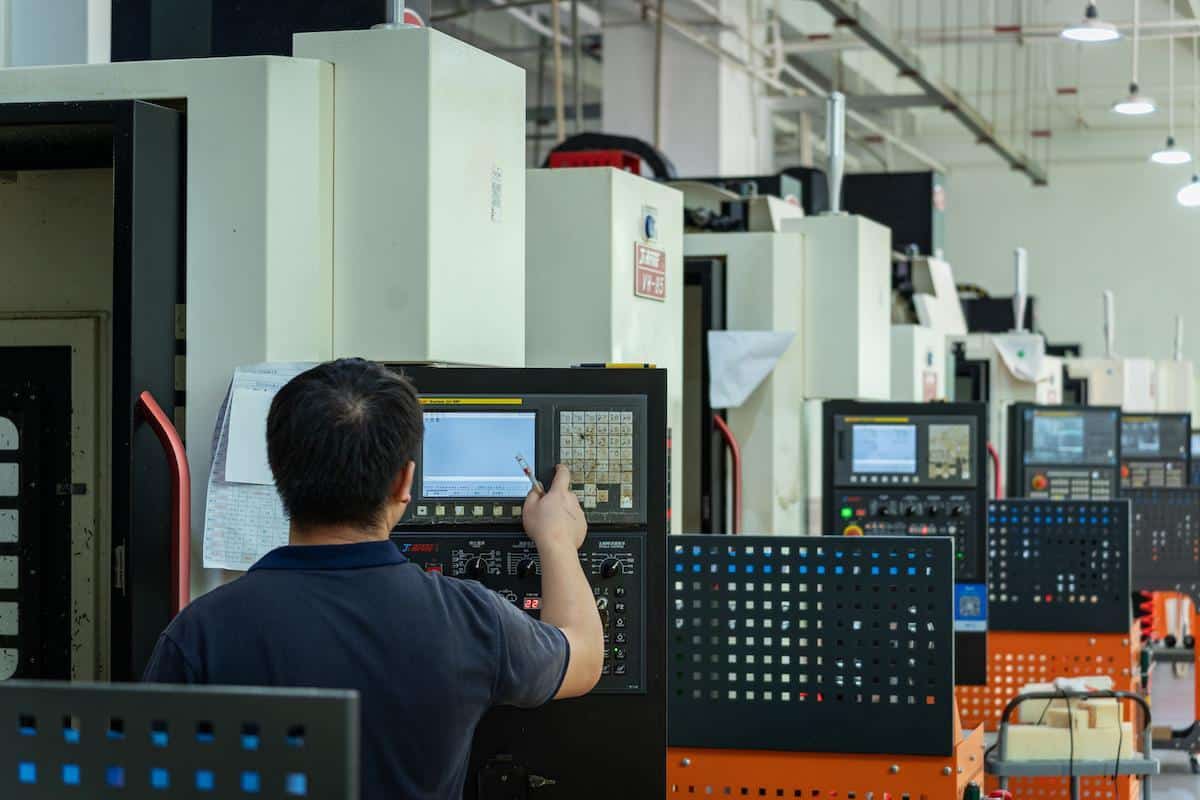
Once actual machining begins, standardized operations and strict adherence to procedures become essential for maintaining stability. Operators must install fixtures, set offsets, and configure tools according to a unified process, while communication between programmers and machinists must ensure that every process adjustment is clearly documented. At the same time, real-time monitoring of tool wear, coolant flow, and machine condition enables the timely detection of deviations, preventing dimensional drift or surface defects. Through this combination of upfront decision-making and standardized execution, even in small-batch production environments with frequent changes in parts, materials, and processes, machining consistency can be significantly improved, scrap rates reduced, and every batch of parts guaranteed to meet design requirements.
Conclusion
High-mix CNC machining is driven by constant variability in geometry, materials and tolerance changes. Machine capability is not enough to keep output consistent with these variables. It is process control that determines whether this variation remains manageable or spreads across all production.
When machining has structured planning, defined setup procedures and measurement-based feedback, repeatability of output improves even as job requirements change.
WayKen’s focus on system-level process control reflects the practical demands of high-mix CNC environments. Consistency is achieved not through equipment alone, but through disciplined control of each stage that shapes the final part.