
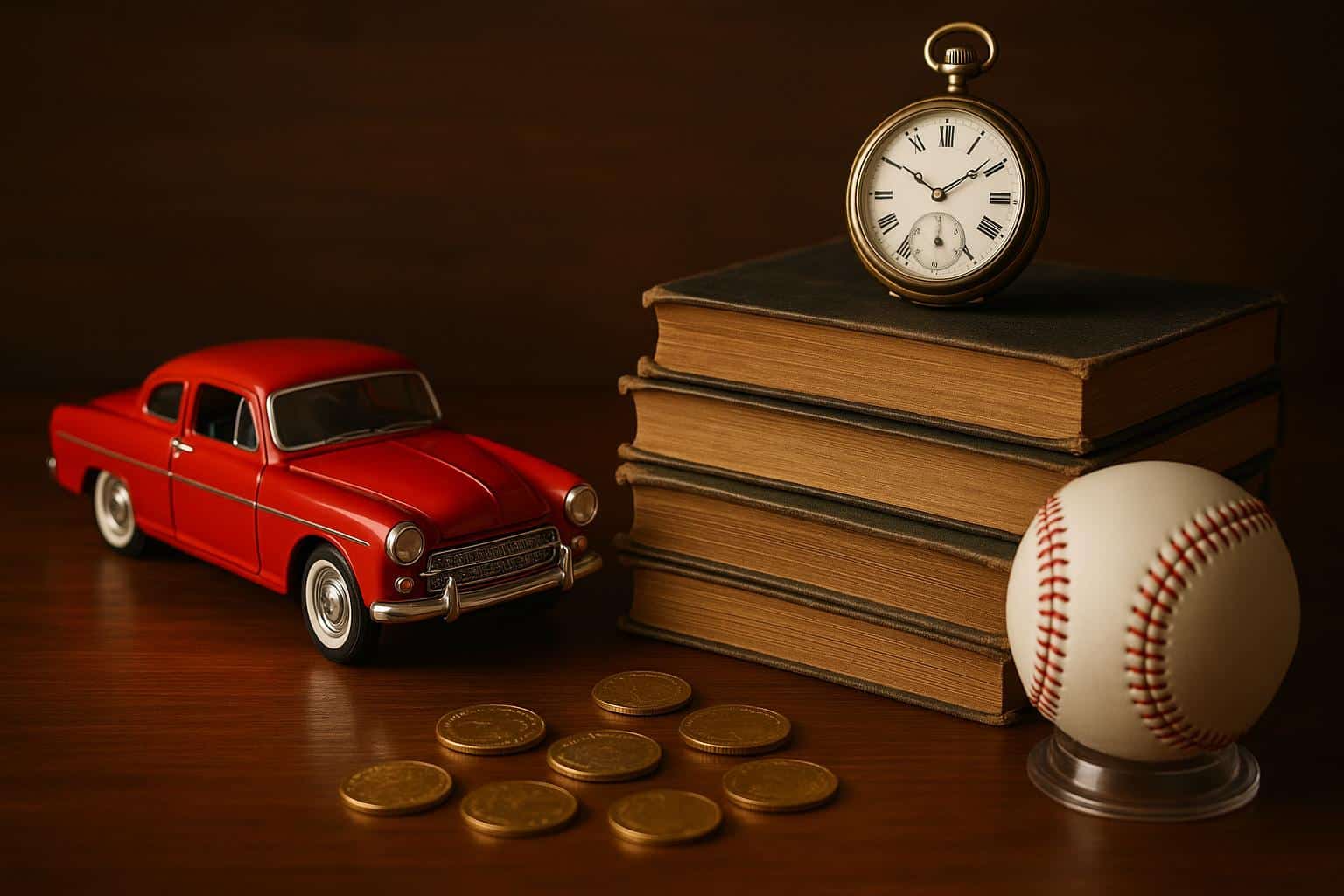
Collecting is a funny thing. To one person, an old watch, first-edition book or vintage record might look like little more than an object taking up shelf space. To someone else, it can represent history, craftsmanship, rarity and a very specific moment in time. That gap between ordinary object and sought-after collectible is what makes collecting so interesting in the first place.
The same principle applies across all kinds of categories, from art and coins to cars, fashion, memorabilia and limited-release products. Sometimes, even an item tied closely to a particular year can attract interest because of the story and context surrounding it, as you see with items like Penfolds Grange 2014. That idea of provenance — knowing where something came from and why it matters — is one of the recurring themes that separates a collectible from an everyday purchase.
Contents
Rarity Matters, but It’s Not the Whole Story
Scarcity is usually the first thing people think of when discussing collectables. If only a limited number of something exist, it makes sense that demand can rise as availability falls. But rarity alone doesn’t automatically create value. There are plenty of extremely uncommon objects that nobody particularly wants.
What tends to matter more is rarity combined with desirability. A discontinued product from a respected maker, a first edition connected to an important cultural moment or an item produced during a significant year has a story attached to it. That story gives collectors a reason to care.
Sometimes scarcity is deliberate, as with numbered editions or short production runs. In other cases, it develops naturally because objects are lost, damaged, used up or simply forgotten over the years. By the time people realise something has become difficult to find, there may be far fewer surviving examples than anyone expected.
Condition Can Change Everything
Two objects can be technically identical and still have wildly different values depending on their condition. Collectors tend to notice details that casual buyers might overlook: original packaging, fading, scratches, missing components, restoration work and even how something has been stored.
This is particularly noticeable with categories such as toys, books, trading cards and vintage electronics. Something still in its original box can attract substantially more interest than the same item that has been heavily used. Even small differences in condition can move an object into an entirely different collector category.
That’s why experienced collectors often think about preservation almost as much as acquisition. Proper storage, sensible handling and keeping documentation together can all affect how desirable something remains in the future.
Provenance Gives an Object a Story
Provenance sounds like a specialist term, but the idea is straightforward: it’s the history behind an object. Where did it come from? Who owned it? When was it produced? Is there documentation to verify its background?
A strong provenance can turn an interesting object into a genuinely compelling one. A guitar is one thing; a guitar known to have been played by a famous musician is something else entirely. A piece of furniture might be attractive on its own, but if its maker, production date and history can be verified, it takes on another layer of meaning.
Collectors often aren’t just buying physical objects. They’re buying stories they can trace.
Nostalgia Has More Influence Than People Realise
There’s also a deeply emotional side to collecting. People often become interested in objects they remember from childhood or from particular periods of their lives. As generations grow older and have more disposable income, items that once seemed ordinary can suddenly become highly desirable.
This is why yesterday’s mass-market toys, games, clothing and technology can become tomorrow’s collectables. Something doesn’t need to have been luxurious when it was made. It just needs to evoke the right memories for enough people.
Nostalgia can also move in cycles. Styles that fall out of fashion often return decades later, bringing renewed interest in authentic examples from the original era. What one generation clears out of the garage may be exactly what another starts searching for online.
Reputation Can Build Across Decades
The reputation of the person, brand or company behind an item matters too. Collectors tend to gravitate towards makers with an established history, particularly when quality has remained consistent over time. A strong name gives buyers context and makes it easier to understand where an item fits within a broader body of work.
That reputation doesn’t appear overnight. It’s usually built through years of craftsmanship, innovation, cultural relevance or simply producing things people continue to care about. Older examples can become especially interesting because they offer a snapshot of how a well-known maker evolved.
The Best Collectibles Usually Mean Something
Trying to predict what will become valuable in 20 years is notoriously difficult. Trends change, tastes shift and markets can behave unpredictably. Buying something purely because you expect its price to rise can therefore be a frustrating approach to collecting.
The more enjoyable strategy is usually to collect things you genuinely appreciate. Whether that means design, history, craftsmanship, nostalgia or the story behind an object, personal interest makes the process worthwhile regardless of what happens to its monetary value.
After all, the most interesting collections rarely look as though they were assembled from an investment spreadsheet. They reflect somebody’s curiosity. And often, that human connection is exactly what makes certain objects remain desirable long after their original purpose has passed.