
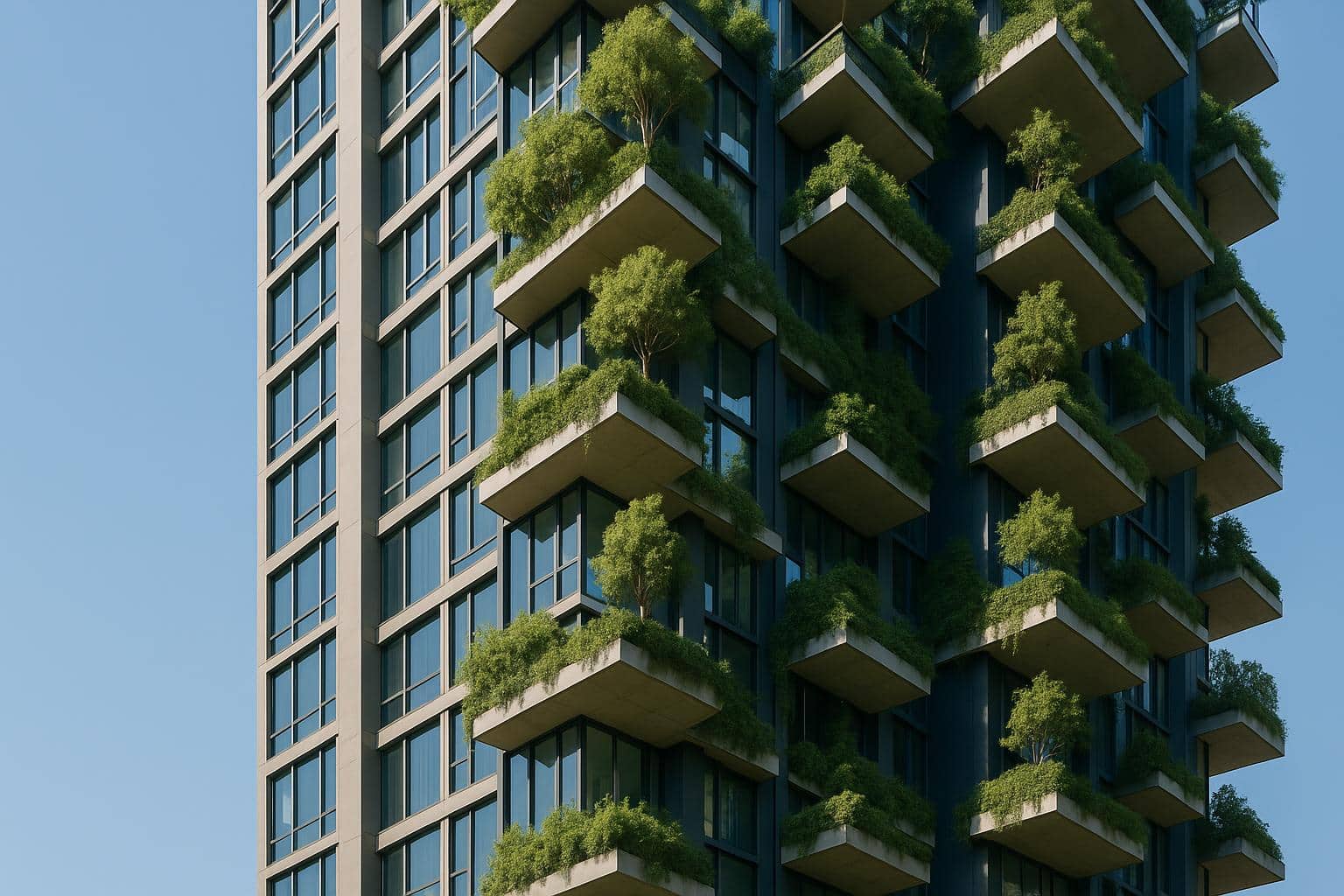
Space is one of the biggest pressures in modern buildings. Cities are busier, sites are tighter, parking expectations are still high, and developers are constantly trying to make better use of every square metre. Whether it’s an apartment complex, hotel, commercial building, showroom, or private residence, the question is often the same: how can the building do more without simply spreading outward?
That’s where vertical thinking becomes interesting. We usually talk about height in terms of extra floors, but vertical space can also be used for storage, access, parking, and movement. In buildings where vehicles need to be accommodated efficiently, reliable car lift maintenance services become part of keeping that vertical design practical long after the installation is complete.
Contents
Modern buildings have to work harder
There was a time when parking and access could be solved with more land. Add a bigger driveway, a wider basement, another row of spaces, or a simple ramp system, and the problem was mostly handled. That approach doesn’t always fit current building conditions. Land is expensive, planning requirements are tighter, and many sites simply don’t have the luxury of extra room.
This has pushed architects, builders, and property owners to think more carefully about how space is used. A car lift can help reduce the footprint needed for vehicle movement, especially on narrow sites or in buildings where a traditional ramp would take up too much valuable area. It’s not just about convenience. It can influence the whole design by freeing up space for better layouts, more usable rooms, improved circulation, or additional amenities.
Vertical systems can also make certain projects possible where older approaches wouldn’t work. A compact urban site, for example, may not have enough room for a conventional vehicle access solution, but a lift can allow parking to be integrated in a smarter way.
Convenience depends on reliability
When vertical systems work well, people barely think about them. A resident drives in, uses the lift, parks the car, and moves on with their day. A hotel guest has a smooth arrival. A building manager knows vehicles can be moved safely and efficiently. The system becomes part of the building’s normal rhythm.
But when something goes wrong, the disruption can be immediate. A car lift is not a decorative feature or a nice extra that can be ignored for a while. It is often tied directly to access, safety, parking availability, and daily operations. If it stops working, residents, tenants, staff, or visitors may be inconvenienced very quickly.
That’s why maintenance matters so much. Like any mechanical system, a car lift needs regular checks, servicing, and attention from people who understand how it operates. Preventive maintenance helps identify wear, faults, alignment issues, electrical problems, and safety concerns before they become bigger and more expensive disruptions.
Building design doesn’t end at handover
A lot of attention is placed on the design and construction phase of a building, and rightly so. Plans, materials, finishes, approvals, installation, and compliance all matter. But the long-term success of a building depends just as much on how well it is maintained after people start using it.
This is especially true for systems that combine daily convenience with safety. Lifts, doors, gates, access controls, HVAC, fire systems, and parking equipment all need ongoing care. If they’re ignored, the building can begin to feel poorly managed, even if the original design was excellent.
For property owners and managers, that means thinking beyond the first day something is installed. Who will service it? How often should it be checked? What records need to be kept? How quickly can issues be addressed? The smoother those answers are, the easier it is to keep the building functioning as intended.
Vertical solutions are part of smarter spaces
Using space well is not just about squeezing more into a building. It’s about making the building easier to live in, work in, visit, and manage. Vertical systems can help achieve that, but only when they are treated as working infrastructure rather than background equipment.
A well-planned car lift can support a more efficient design, but ongoing maintenance is what keeps that design useful over time. Without it, the clever space-saving solution can quickly become a source of frustration.
Good design needs good follow-through
Modern buildings are expected to be efficient, flexible, and convenient. That often means making better use of vertical space and relying on systems that need proper care to keep performing. When those systems are maintained well, they quietly support the building every day, helping limited space go further without compromising the experience of the people who use it.