
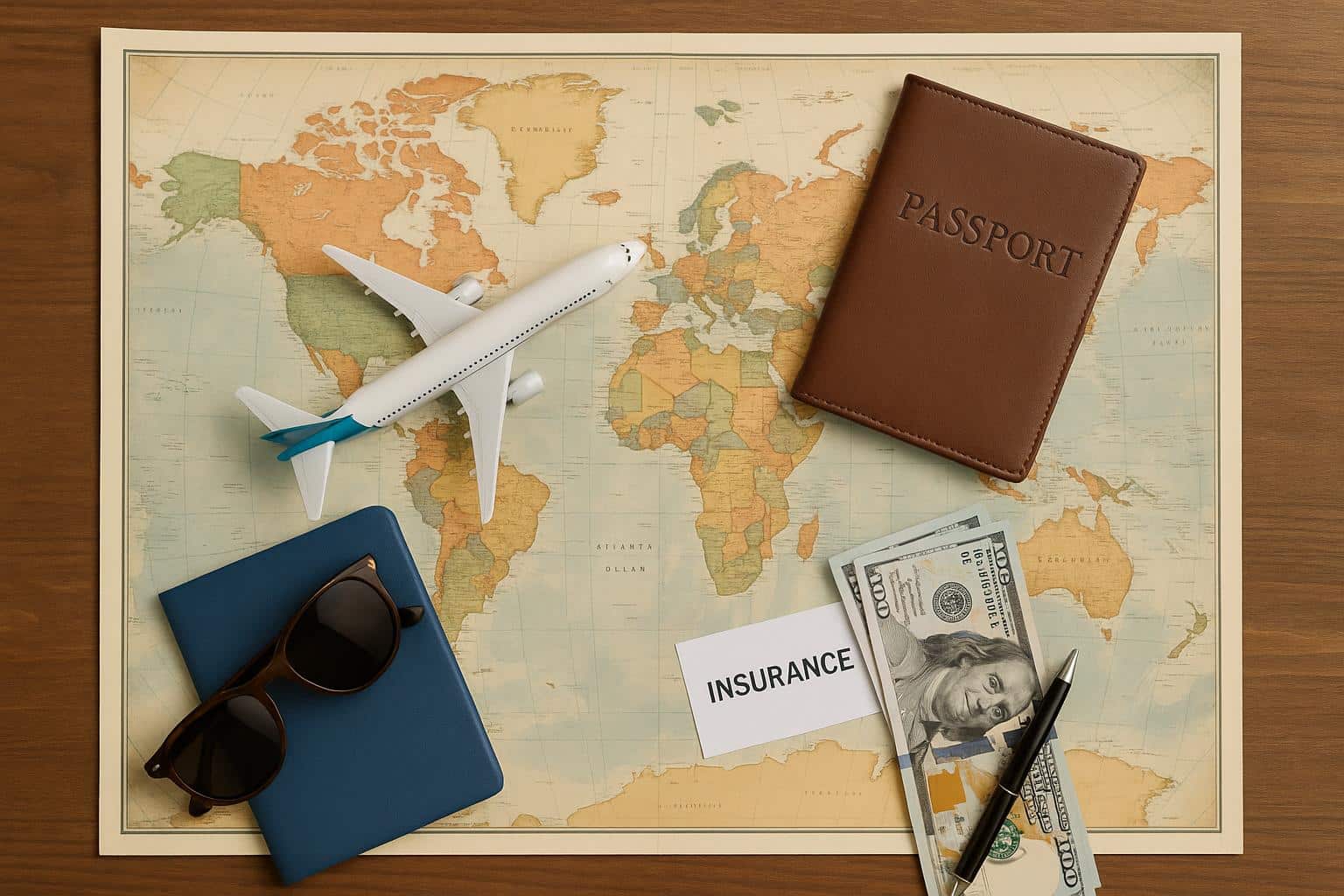
When you’re planning an international trip, travel insurance can feel like an optional extra until something goes wrong. Travelling abroad exposes you to risks you don’t face at home. For example, medical treatment can be expensive, particularly in countries with high healthcare costs. In addition, flights may be cancelled or delayed, while lost luggage can quickly disrupt your plans and add unnecessary stress to your trip. This is where travel insurance can help.
It is designed to protect you financially if the unexpected happens, giving you peace of mind before and during your trip. But is it always necessary and what does it actually cover? Let’s discuss this in detail in the following blog.
Contents
Is Travel Insurance Necessary for International Travel?
While travel insurance isn’t legally required for every international trip, it is essential in many situations and mandatory in some countries. Even where it’s not compulsory, travelling without insurance leaves you financially exposed to medical emergencies, cancellations, theft or unexpected disruptions.
However, several destinations like Vietnam require proof of Vietnam travel insurance as a condition of entry, usually with minimum medical cover. These include:
- UAE
- Cuba
- Russia
- Turkey
- Thailand
- Schengen Area countries, etc
What Are the Key Inclusions and Exclusions of the Travel Insurance?
Here are some key inclusions and exclusions of the travel insurance:
Key Inclusions
- You’re covered for unexpected medical emergencies while travelling abroad, including hospitalisation, day care treatment, and ICU expenses (subject to sub-limits).
- Medical evacuation to the nearest appropriate hospital is included when it’s medically necessary and authorised.
- If treatment needs to continue back home, limited cover is available after your return, with prior approval.
- In the event of death overseas, the policy covers repatriation of remains or the cost of a local burial or cremation.
- You’re protected against common travel disruptions such as total loss or delay of checked-in baggage.
- Loss of a passport is covered, including the cost of an emergency certificate and certain incidental expenses.
- Personal liability cover applies if you accidentally damage someone’s property or injure them during your trip.
Key Exclusions
- Pre-existing medical conditions are not covered, even if they’ve been declared.
- Routine health checks, vaccinations, cosmetic procedures and alternative therapies are excluded.
- Pregnancy-related claims, fertility treatment and self-inflicted injuries are not covered.
- Most dental treatment is excluded unless it falls under the specific dental benefit.
- Valuables such as jewellery, watches and electronic devices aren’t covered under baggage claims.
- Claims arising from alcohol or drug use, illegal acts or high-risk activities are excluded.
- Business-related liabilities and incidents occurring in your country of residence aren’t covered.
How to Choose the Right Travel Insurance Plan
Selecting the right travel insurance can feel overwhelming, but focusing on your needs makes it straightforward. Consider these key points:
- Assess Your Trip Type: Short breaks, long-haul travel, adventure activities or business trips may require different levels of cover.
- Check Medical Coverage: Ensure it includes emergency care, hospitalisation and repatriation, especially in countries with high healthcare costs.
- Look at Cancellation and Disruption Cover: It protects you if flights are delayed or cancelled, or if you need to cut your trip short.
- Review Baggage and Personal Belongings Cover: Important if you’re carrying expensive equipment or luggage.
- Compare Policies: Look beyond price, check exclusions and limits and read customer reviews to find the best fit for your journey.
Conclusion
While travel insurance might not always feel essential when you’re booking your flights, it often becomes invaluable when plans change or emergencies arise. Having the right cover means you’re not left dealing with unexpected costs or stressful situations on your own. With a little thought before you travel, you can head abroad feeling more prepared from start to finish.