
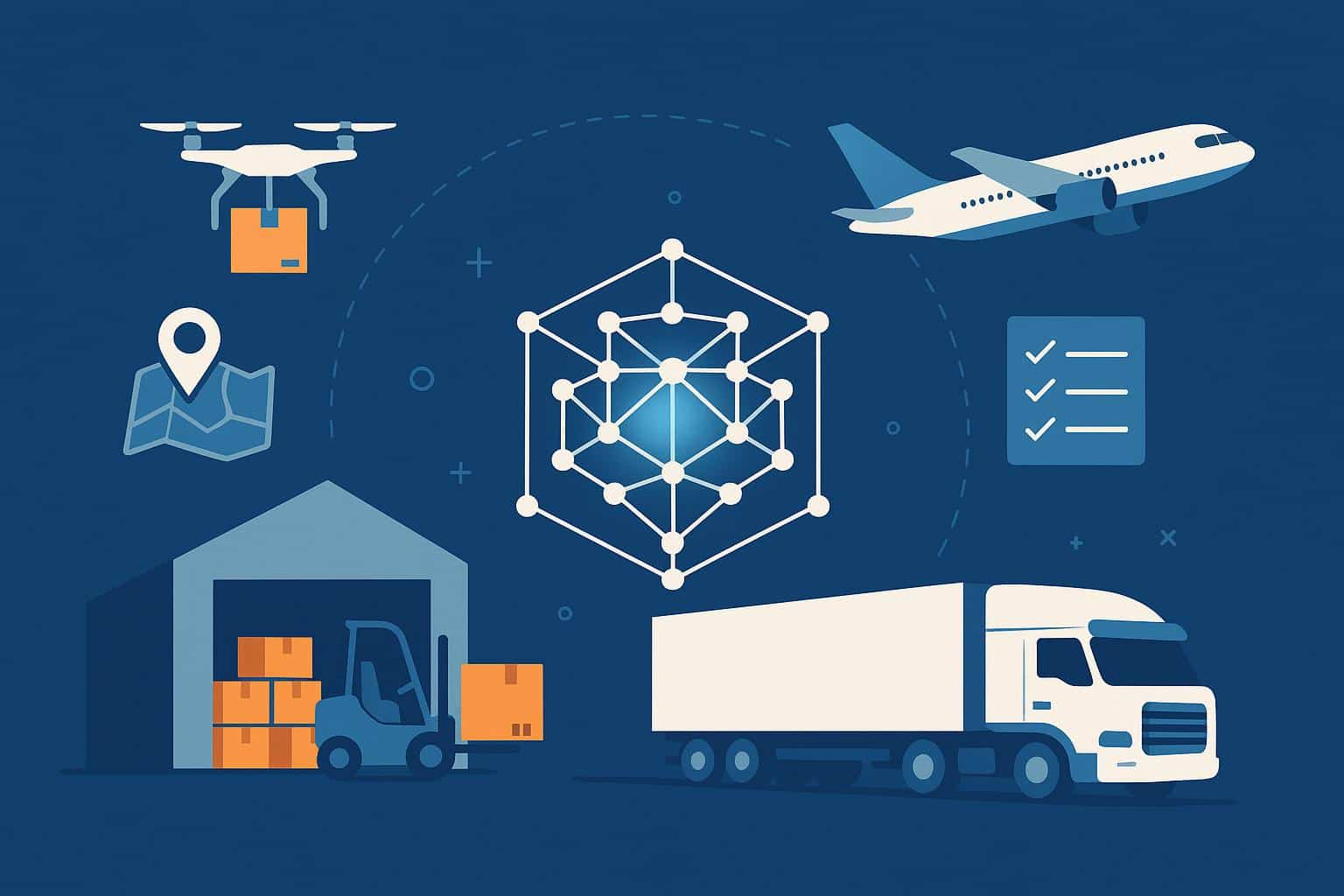
The logistics industry is under growing operational pressure from multiple directions. Rising fuel and transportation costs, tightening labor markets, and increasingly complex global supply chains are all squeezing margins, even as e‑commerce continues to expand demand for rapid fulfillment. Worldwide logistics markets are projected to grow at roughly 9.2% annually and exceed €565 billion, driven in part by 6.4% increases in shipped volumes — a sign both of opportunity and of mounting service challenges for carriers and shippers alike.
At the same time, customer expectations have shifted dramatically. Surveys find that about 91% of logistics firms report clients now expect seamless, end‑to‑end service and real‑time visibility into shipments, and retailers are pressured to deliver faster and more reliably than ever before. Traditional planning and manual optimization tools struggle to keep pace with this level of complexity and demand, and forecasting errors of ~25% under conventional methods can lead to costly stockouts or excess inventory.
Generative artificial intelligence has emerged as a powerful tool that goes beyond basic automation. Unlike rule‑based systems, GenAI models can synthesize large volumes of data to generate predictive insights, dynamic routing plans, and adaptive inventory strategies in real time. Companies using AI‑driven systems are reporting up to 15% reductions in logistics costs per delivery and inventory reductions of 20 – 30%, while significantly improving service levels and delivery speed.
By enabling predictive planning and real‑time optimization, generative AI in logistics helps operators streamline operations and respond more effectively to disruptions. Whether improving route efficiency, aligning inventory with actual demand, or anticipating bottlenecks before they occur, AI’s capabilities are reshaping how supply chains operate — turning pressure into competitive advantage as we move toward 2027 and beyond.
Contents
Streamlining Operations with Generative AI
Generative AI is increasingly used to improve day-to-day operations by helping teams plan, simulate, and optimize complex processes. Instead of relying only on fixed rules or historical averages, Gen AI can generate multiple operational scenarios and recommend the most efficient option based on real-time constraints such as demand shifts, capacity limits, and external conditions. This makes operations more adaptive and less reactive.
In route optimization, Gen AI can create delivery plans that account for traffic patterns, weather, fuel prices, and service time windows. For demand forecasting, it can combine historical sales data with external signals like seasonality, promotions, and market trends to generate more accurate and flexible forecasts. In warehouse management, Gen AI helps design optimal picking routes, storage layouts, and labor schedules, reducing idle time and bottlenecks while improving order accuracy.
A practical example can be seen in a mid-sized logistics company that applied AI-generated planning models to its delivery network. By simulating thousands of routing and scheduling scenarios, the company shortened average delivery times and reduced fuel consumption by optimizing vehicle loads and routes simultaneously. The result was faster deliveries, lower operating costs, and more predictable service levels without increasing fleet size.
Case Studies of Success
In recent years, logistics companies have begun creating custom generative AI solutions that deliver measurable operational benefits far beyond what generic tools offer. One prominent example is DHL, which implemented AI-driven routing and demand forecasting systems tuned to its global network. These custom models analyze vast operational data in real time, enabling the company to cut travel times by an estimated 15 % and reduce fuel consumption by around 12 % through smarter route planning and load consolidation, all while improving service reliability and sustainability performance.
Walmart has also taken a tailored approach by integrating generative AI into its supply chain and inventory planning systems. With AI models designed to handle the complexity of more than 850 million product entries, the company has boosted visibility into inventory levels, cut carrying costs significantly, and enhanced its ability to meet customer demand with fewer stockouts. This bespoke solution has led to smoother operations and strengthened customer satisfaction, proving the value of purpose-built AI over off-the-shelf alternatives.
Another example comes from UPS and its ORION route optimization platform (though not purely generative AI, it reflects similar advanced analytics principles tailored to UPS’s data and constraints). By continuously optimizing delivery routes based on real-world driving and traffic data, UPS has saved millions of liters of fuel annually and reduced emissions while maintaining tight delivery schedules. These outcomes underscore how custom AI systems—designed around a company’s unique data and challenges—can generate substantial efficiency gains, cost reductions, and improvements in customer service that generic applications alone often cannot match.
Tailoring AI Solutions to Your Logistics Needs
Generic AI tools can deliver quick wins, but they rarely address the operational complexity of real logistics environments. Each logistics company operates with unique routes, demand patterns, warehouse layouts, data structures, and regulatory constraints. Custom AI solutions are designed around these specifics, allowing models to reflect real workflows rather than forcing teams to adapt their processes to a predefined tool. This approach leads to higher accuracy, better adoption by operational teams, and results that directly impact costs and service quality.
COAX Software specializes in building bespoke generative AI solutions tailored to logistics and supply chain use cases. Instead of deploying one-size-fits-all platforms, COAX develops models that align with a company’s data, business logic, and growth strategy. This includes custom route planning engines, demand forecasting models, and decision support systems that evolve as operational conditions change. By focusing on practical deployment and measurable outcomes, these solutions deliver long-term value rather than short-term automation.
Successful AI adoption also depends on smooth integration with existing systems such as TMS, WMS, ERP, and fleet management platforms. Custom solutions are designed with integration in mind, using APIs and modular architectures that minimize disruption to ongoing operations. Scalability is built in from the start, ensuring that AI models can handle higher data volumes, new locations, and additional services as the business grows, without requiring a complete rebuild of the infrastructure.
Transforming Logistics with Smarter AI
Custom generative AI has proven to be a powerful driver of transformation in logistics, enabling companies to reduce operational costs, improve efficiency, and deliver more reliable customer experiences. By tailoring AI models to real operational data and constraints, logistics providers gain more accurate planning, faster decision-making, and systems that adapt as conditions change rather than relying on static rules or generic assumptions.
For companies looking to achieve long-term efficiency and sustainable growth, exploring tailored AI solutions is a strategic step forward. Custom Gen AI not only supports current operational goals but also creates a flexible foundation for future innovation, helping logistics organizations stay competitive as complexity, scale, and customer expectations continue to rise.