
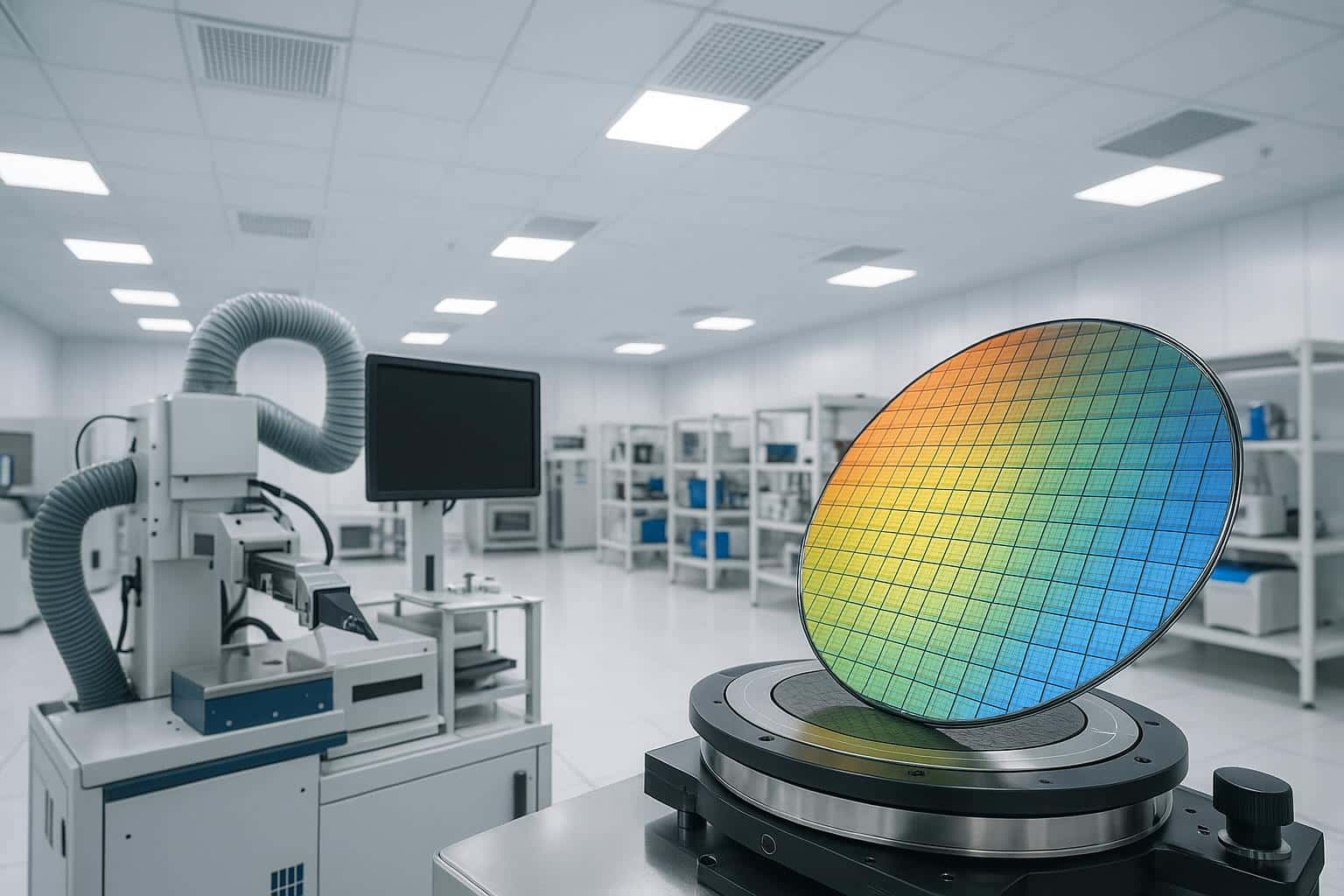
Precision electronics and semiconductor-related manufacturing depend heavily on environmental control. Tiny particles that are invisible to the human eye can affect wafers, sensors, optical components, circuit boards, displays, batteries, and other high-value products. In these industries, cleanroom performance is not only about cleanliness. It is also about airflow stability, material quality, temperature and humidity control, static management, and long-term system reliability.
A common challenge in electronics manufacturing is that different production areas may require different cleanliness levels. Some zones may need high-grade particle control, while others only require moderate cleanliness. This is one reason the FFU cleanroom system has become popular in many precision manufacturing environments. FFU stands for Fan Filter Unit. It combines a fan and a HEPA or ULPA filter in one modular ceiling unit, delivering filtered air directly into the cleanroom.
Compared with a fully centralized air supply design, FFU-based systems offer flexibility. Manufacturers can increase FFU coverage in critical zones, adjust airflow distribution, and expand the cleanroom more easily as production needs change. For companies that expect future process upgrades or capacity expansion, this modular approach can be more practical than building a rigid system that is difficult to modify later.
Airflow is one of the most important factors in semiconductor and electronics cleanrooms. The goal is to move particles away from sensitive work areas before they can settle on products or equipment. In many high-cleanliness areas, vertical airflow is preferred because it can push particles downward toward return air paths. However, this only works well when the ceiling layout, FFU placement, return air design, equipment position, and operator movement are planned together.
Filtration grade is another key decision. HEPA filters are widely used in cleanrooms, while ULPA filters may be selected for more demanding applications. But filter efficiency alone does not define cleanroom quality. The entire system must be installed and sealed correctly. Air leakage, poor ceiling structure, unsuitable filter housings, or weak maintenance access can reduce performance even when high-grade filters are used.
The cleanroom enclosure itself is also critical. Walls and ceilings should not shed particles, absorb moisture, or create difficult-to-clean surfaces. High-quality cleanroom steel panels provide a stable, smooth, and durable enclosure system for controlled environments. In electronics and semiconductor cleanrooms, panels should support good sealing, easy cleaning, strong structural performance, and compatibility with doors, windows, ceilings, return air columns, and service openings.
Material durability matters because cleanrooms are not static spaces. Equipment may be moved, panels may need to support utilities, and maintenance teams need access to filters, lighting, wiring, and HVAC components. A weak wall system can create gaps, surface damage, or sealing issues over time. A well-built panel system helps maintain cleanroom integrity and reduces maintenance problems.
Temperature and humidity control are also important in precision manufacturing. Electronics processes can be sensitive to static electricity, condensation, thermal expansion, and equipment stability. A cleanroom HVAC system should therefore manage not only air cleanliness, but also environmental consistency. In some production areas, humidity control can be just as important as particle control.
Another benefit of FFU-based cleanrooms is zoning. Not every area needs the same level of cleanliness. By designing local high-cleanliness zones around sensitive processes, manufacturers can avoid unnecessary energy use while still protecting critical operations. This can be especially useful for electronics assembly, optical inspection, precision packaging, and semiconductor support processes.
In conclusion, electronics and semiconductor cleanrooms require a balance of precision airflow, reliable filtration, durable enclosure materials, and flexible system design. FFU systems help create clean air zones where they are needed most, while cleanroom steel panels provide the physical foundation for a stable controlled environment. When these elements are planned together, manufacturers can reduce contamination risk, improve production consistency, and build cleanrooms that remain adaptable as technology and process requirements evolve.