
Buying an investment property and collecting rent from tenants is one of the most effective means to generate income and build up your portfolio of financial assets.
If you own a rental property, you’ll have several options for earning money: selling your property outright, renting for ongoing income, or enjoying the ongoing property value appreciation. Unfortunately, being a landlord is much trickier than many rental property owners think.
You will face lots of responsibilities and risks that can potentially affect your earnings negatively. That’s why hiring a rental property owner to maximize profits and minimize risks makes sense. So, if you’re renting out an apartment unit in, for instance, Houston, Texas, retaining the services of a property manager servicing owners of Houston apartments is a wise move.
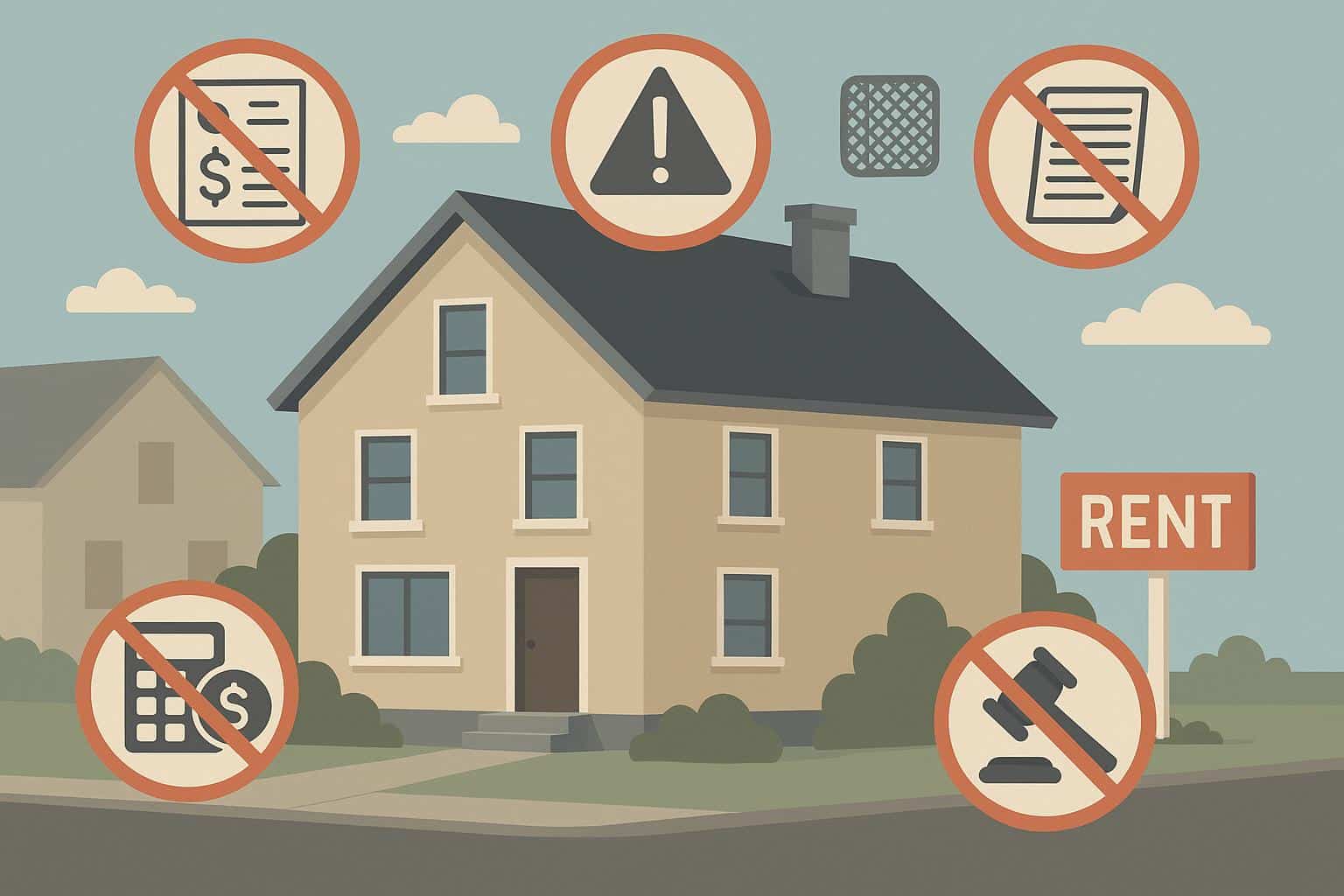
Here are five common mistakes first-time rental property owners make.
1. Not Screening Tenants Adequately
Filling a rental property vacancy might seem easy at first glance. But first-time landlords frequently ignore the importance of carefully choosing their tenants.
A bad choice can turn the dream of buying an income property into an unmitigated nightmare.
A tenant who violates the lease agreement and doesn’t pay rent may force you to spend a lot of money to cover the mortgage and other fixing problems.
Some inexperienced landlords rely on intuition rather than a more objective method of tenant selection, such as screening. A good property manager will screen anyone who wants to rent your rental property by looking at things like the following:
- Credit score
- Work and financial status
- Tenant references
- Background check
- Rental history
Screening takes time to get it right, and that’s something that many first-time rental property owners overlook. It’s best to hire a property manager with a screening process in place.
2. Underestimating Maintenance and Repair Costs
Another common mistake new landlords make is forgetting about maintenance. Most people think that the main expense of property ownership is the mortgage payment. It’s important to keep track of your expenses, including repairs and maintenance.
Otherwise, you may find yourself facing severe issues that significantly cut into your profit or even leave you at a loss.
For example, plumbing system failures or roof damage can cost you a considerable amount of money — especially if you don’t have money set aside for maintenance and repairs.
Working with a property manager can help ensure your investment property remains in good repair. Nothing will fall between the cracks, which will protect your property.
3. Pricing Your Rental Property Incorrectly
Setting the right prices for your rental property is vital to its profitability. First-time landlords tend to think that setting higher prices will increase their income. While it’ll mean more money, sure, it’ll also scare away good tenants who aren’t interested in overpaying.
Meanwhile, setting rent too low means you won’t make as much as you should on your investment.
If you want to set reasonable prices, it’s crucial to conduct some research beforehand. For example, you may analyze how much similar properties cost in your city/area.
Your rental price should be based on aspects like the following:
- Size of the apartment
- Condition of the house
- Amenities offered
- Desirability of the neighborhood
One reason many rental property owners hire property management firms is that these companies are real estate experts and know the real estate trends of the areas they serve. You’ll get recommendations on how much you should charge for your rental property.
4. Neglecting Legal Obligations
Renting your property isn’t as simple as it might seem since landlords have various obligations. For instance, there are specific regulations governing the maintenance of rental housing that landlords must follow. If you fail on this front, you will likely face legal sanctions or fines.
In addition, there is a wide range of laws and norms governing landlord-tenant relations. It’s worth your while to at least consult a property manager to ensure you don’t break any laws.
5. Viewing Rental Property as a Source of Passive Income
Most people assume that buying and renting out a property is an effortless endeavor that provides passive income. The reality is that owning a rental property is anything but passive.
You can, however, make it easier on yourself by hiring a third party to help with the following:
- Communicating with the tenants
- Dealing with maintenance and repairs
- Collecting money for rent
- Inspecting the property
- Keeping detailed records
It’s better not to think of rental properties as something passive. It involves a ton of work, and the good news is you can outsource some of that work to a reputable property manager.
Renting your income property seems like an ideal strategy for building wealth. Unfortunately, you may encounter some obstacles if you’re not aware of potential pitfalls. Mistakes like those mentioned above often make it harder for first-time rental property owners.
However, you can easily avoid these mistakes by hiring a property management company to take care of your tenants and your income property.