
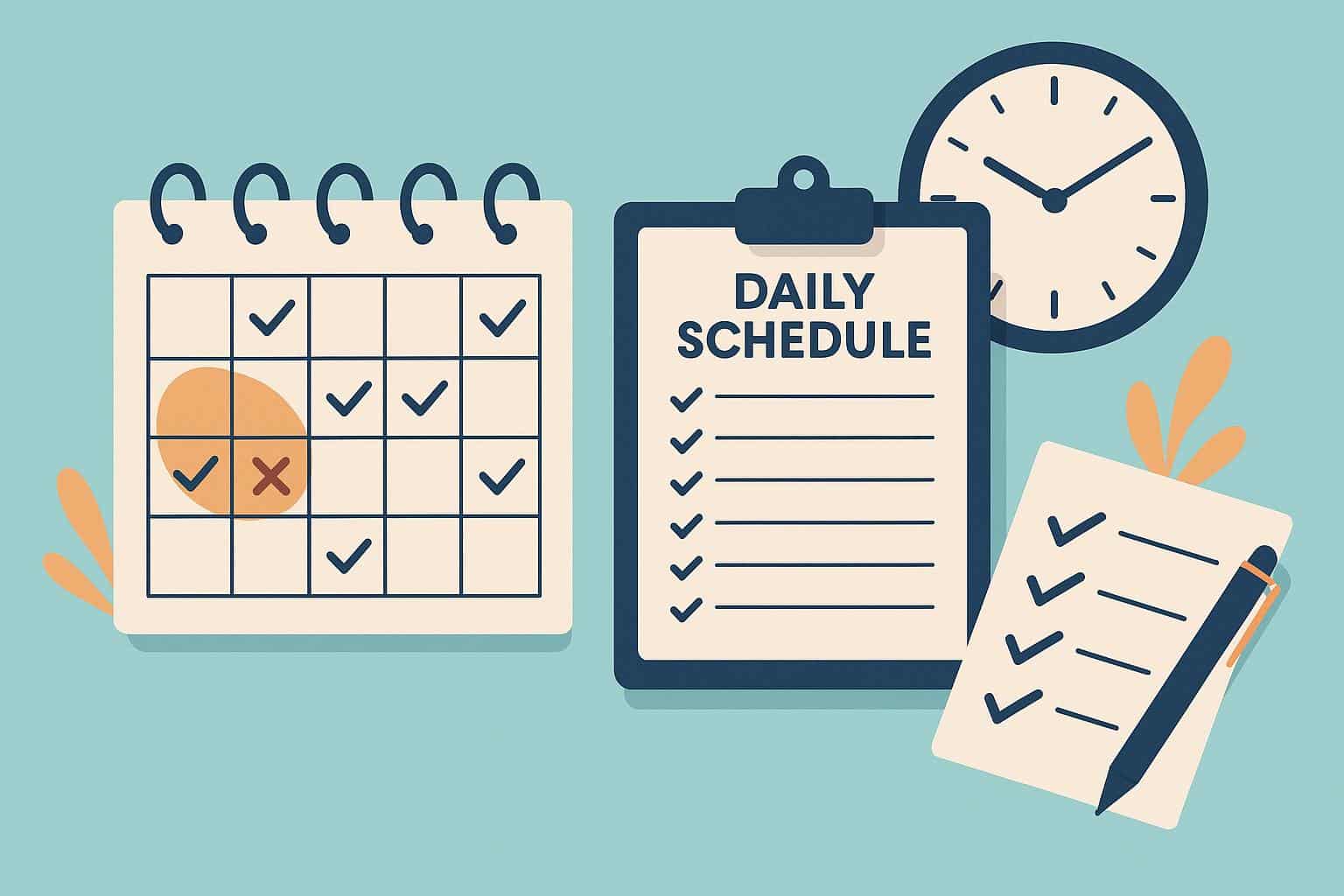
While creating a daily schedule might sound easy, you’ll quickly find that there are a lot of factors to consider. After a while, you might end up with an inconsistent and generic output. Acknowledge this problem by thinking about the ones below.
Schedule Type
A primary schedule may be weekly or monthly, filled with distinct goals and things to do, among others. A monthly schedule may be too complicated right from the start; however, this is why weekly schedules are better for beginners. A digital schedule is faster to make, while a handwritten one also has various benefits, whichever may suit your style.
Rest Moderately
Rest is important to give the human body time to relax, allowing it to be more energized and efficient afterwards. This is similar to why weekends exist: to provide much-needed breaks. 1 rest day may not be enough, so allow yourself the full weekend in your Lucerne Grand condo or outside to prevent overexhaustion. And, add breaks in between activities.
Look Ahead
Don’t forget about holidays, other upcoming events, and weekends. This prevents false or inconvenient timings that may suddenly come up. It’s also highly encouraged to do different things for different kinds of days, ranging from weekdays all the way up to the holidays.
Divide Activities
Avoid overworking yourself with the majority of activities in a single day. Instead, divide them practically across the days and give yourself enough sleep so you’ll have plenty of energy the next day again. As a general rule, this would be around 8-13, varying by different age groups.
Activity Backburners
It’s important to set aside the less important ones to do the major stuff first, unless there’s a set time limit. This prevents any worrying over the bigger stuff and procrastination. In a way, it prevents overwhelming yourself and adding unnecessary stress.