
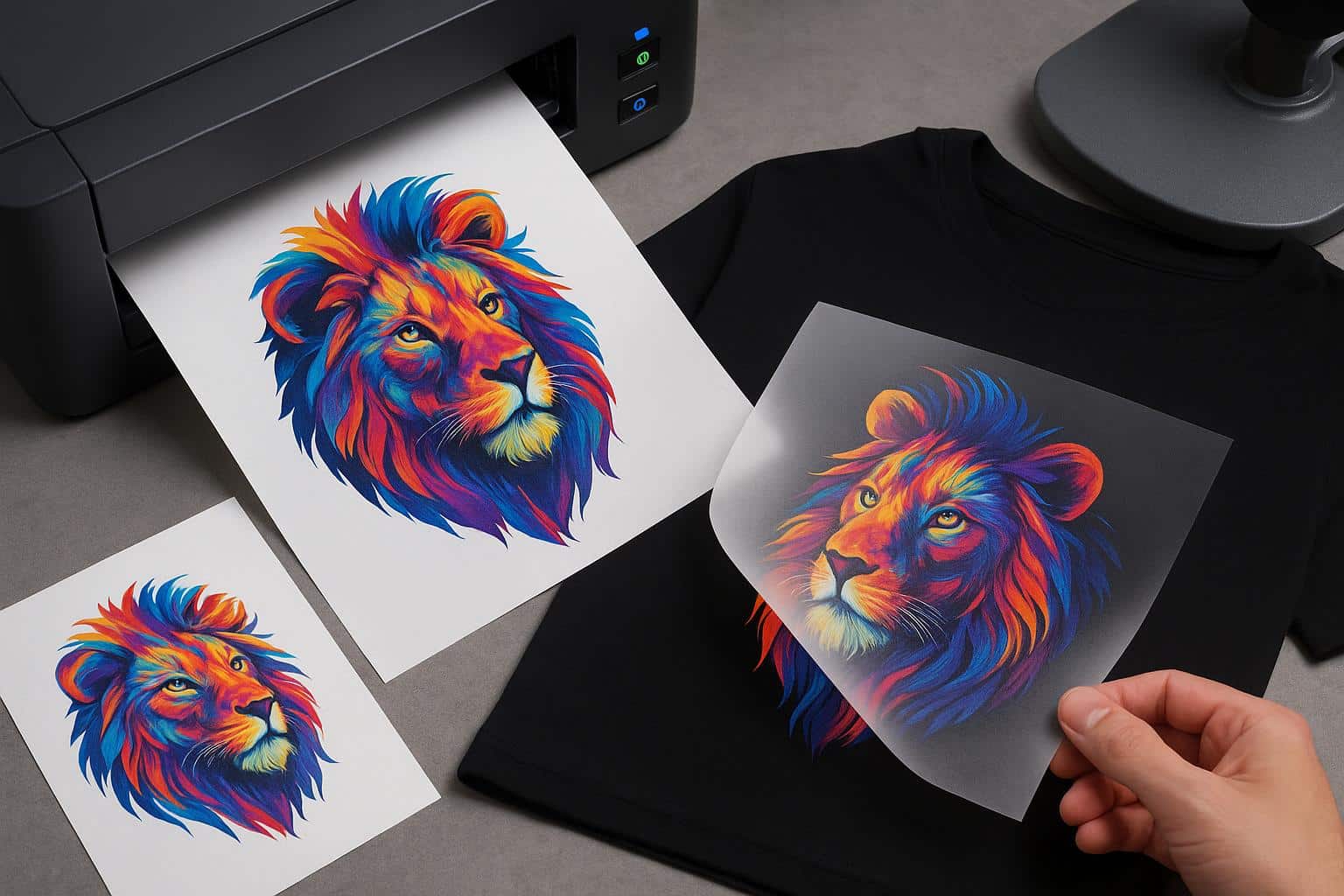
Direct-to-Film (DTF) printing has emerged as one of the most reliable and versatile printing methods in the custom apparel industry. It allows businesses to create vibrant, durable designs on a variety of fabrics. One of the biggest advantages of DTF printing is its ability to produce high-quality prints that last, making it an attractive option for custom T-shirts, hoodies, and other apparel.
This guide explores how you can create stunning, long-lasting prints with DTF technology. We’ll cover everything from the printing process to tips for maintaining quality prints that stand the test of time.
Contents
- Understanding the DTF Printing Process
- Choosing the Right DTF Printer for Quality Prints
- Selecting the Right Inks for Vibrant and Durable Results
- Preparing the Design for DTF Printing
- Managing the Transfer Process for Optimal Results
- Curing and Post-Printing Care for Long-Lasting Prints
- Troubleshooting Common DTF Printing Issues
- Conclusion
Understanding the DTF Printing Process
DTF printing is a unique method that differs from traditional printing techniques like screen printing or Direct-to-Garment (DTG). The process begins with creating a design on a computer, which is then printed onto a special transfer film using a DTF printer. Once the design is printed, an adhesive powder is applied to the film. This is followed by curing the powder with heat, which allows the design to stick to the fabric during the transfer process.
The advantage of DTF printing lies in its versatility. Unlike screen printing, which requires separate screens for each color, DTF can easily print full-color designs without the need for multiple steps. This makes it ideal for small runs or custom, on-demand prints. Furthermore, the prints are highly detailed and durable, which makes DTF a great choice for both light and dark fabrics.
Choosing the Right DTF Printer for Quality Prints
To achieve stunning, long-lasting prints, it’s essential to invest in the right DTF printer. The quality of the printer plays a significant role in the final product, as it impacts color accuracy, resolution, and consistency.
Printers like the Epson Surecolor G6070 DTF printer are known for their excellent performance in DTF printing. This printer is equipped with the latest print head technology, which allows for sharp, vibrant prints with high detail. Whether you’re printing intricate designs or full-color graphics, the Epson Surecolor G6070 ensures the quality and longevity of the prints.
When choosing a printer, look for features like high resolution (at least 1440 DPI), reliable ink compatibility, and the ability to handle various fabric types. These features will help ensure that your prints are not only visually appealing but also durable enough to withstand regular washing and wear.
Selecting the Right Inks for Vibrant and Durable Results
The quality of your prints is directly impacted by the inks you use. DTF printers rely on a combination of CMYK (cyan, magenta, yellow, and black) inks and white ink. The white ink is essential for printing on dark fabrics, as it creates an opaque layer that helps the colors pop.
For vibrant and long-lasting prints, it’s important to use high-quality DTF inks that are designed to resist fading, cracking, and peeling over time. The right ink formulation will help ensure that your prints maintain their vibrancy after multiple washes.
When selecting DTF inks, make sure they are compatible with your printer and offer the desired level of color vibrancy and durability. In addition to CMYK inks, using high-quality white ink is crucial to ensure smooth and even prints on dark materials. Poor-quality inks can result in dull or inconsistent colors and lead to prints that fade quickly.
Preparing the Design for DTF Printing
Design preparation is a critical step in achieving stunning DTF prints. To ensure the best results, it’s essential to use high-resolution files that are optimized for DTF printing. Designs should be created at a resolution of at least 300 DPI to ensure sharp, clear images on the final product.
When designing for DTF printing, it’s also important to use vector graphics or high-quality raster images that won’t lose detail when scaled. Avoid using overly complex designs that may be difficult to print. Simplicity can sometimes result in better quality, especially when printing small details.
Another essential aspect of design preparation is managing white ink. When printing on dark fabrics, you’ll need to separate the white ink layer from the color layers to ensure opacity. Properly preparing your designs ensures that the prints will be crisp, clean, and durable.
Managing the Transfer Process for Optimal Results
The transfer process is where the DTF magic happens. After printing the design onto the transfer film, adhesive powder is applied to the wet ink. The powder helps bond the design to the fabric when heat is applied.
The application of adhesive powder must be done carefully to avoid uneven coverage, which can affect the print quality. Too much powder can create a rough texture, while too little can lead to poor adhesion. Once the powder is applied, the film is cured using heat. This step is crucial in ensuring that the design adheres properly and doesn’t wash away.
When using a heat press to transfer the design, it’s important to adjust the temperature, pressure, and time settings based on the fabric type and the design. Typically, the heat press should be set at around 330°F to 350°F for 10-15 seconds, depending on the material. Proper heat settings ensure that the design is transferred smoothly without damaging the fabric.
Curing and Post-Printing Care for Long-Lasting Prints
Curing is a crucial step in ensuring the longevity of DTF prints. After transferring the design, the print must be cured to set the ink and make it durable enough to withstand multiple washes. Curing can be done using a heat press or an oven. Each method has its pros and cons, but both are effective in ensuring that the print is durable.
After curing, it’s important to follow proper post-printing care to maintain the print’s quality. For best results, garments with DTF prints should be washed inside out in cold water and air-dried to avoid excessive wear on the print. Avoid using harsh chemicals or bleach, as they can cause the print to fade.
Troubleshooting Common DTF Printing Issues
Even with the right setup, occasional issues can arise in the DTF printing process. Some common problems include ink smudging, poor adhesion, and color inconsistency. To avoid these issues, make sure that your printer is properly calibrated, and always clean the print heads regularly to prevent clogs.
Another issue to watch for is improper curing. If the print is not properly cured, it may fade or peel after a few washes. Make sure to use the correct curing time and temperature for each fabric type to achieve the best results.
Conclusion
Creating stunning, long-lasting prints with DTF technology involves more than just choosing the right printer and inks. By carefully preparing your designs, managing the transfer process, and following proper curing techniques, you can ensure that your prints will maintain their vibrancy and durability over time.