
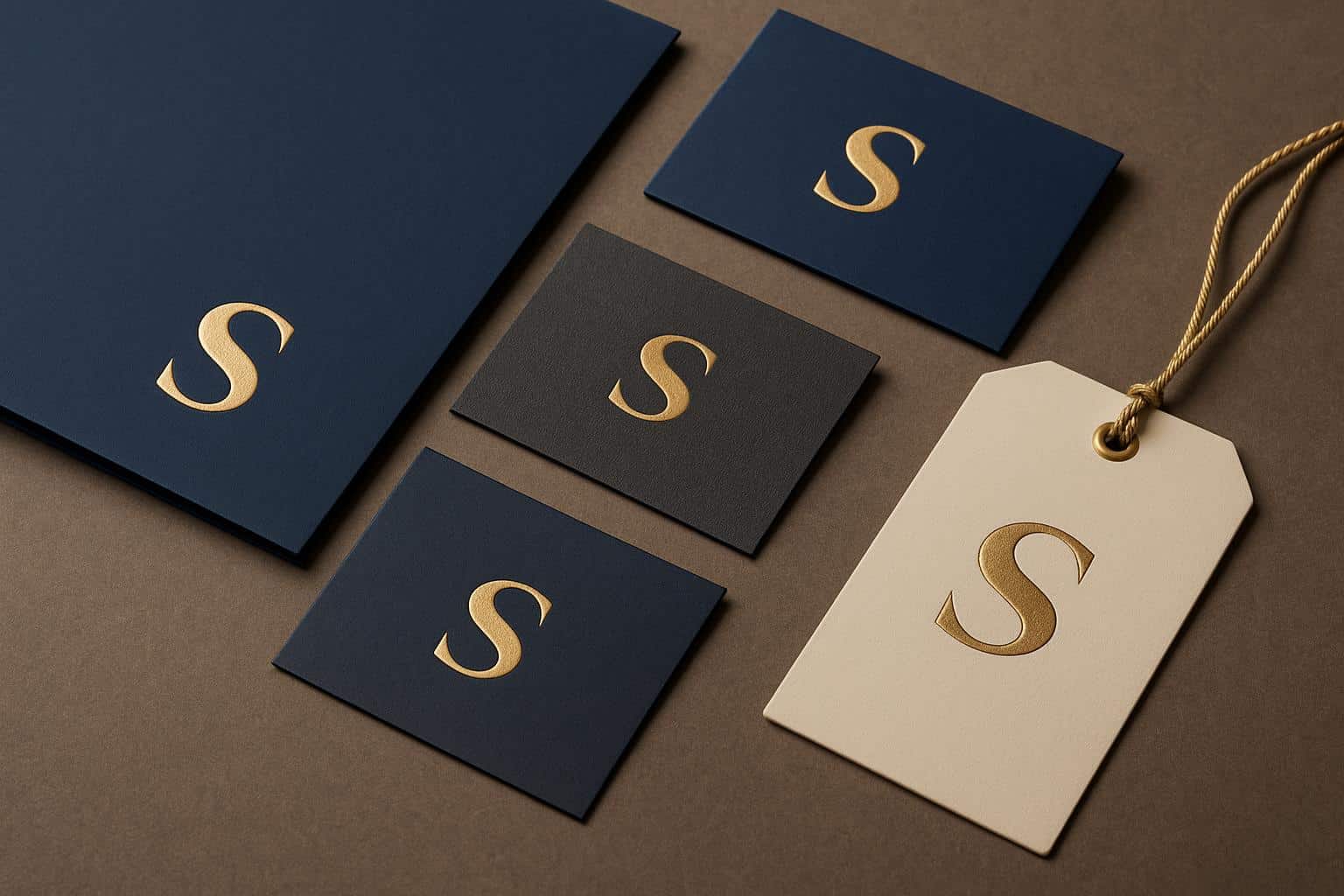
Business cards still play a role in the professional setting as more communication goes digital. They are a physical element that gives out info about identity, credibility, and professionalism. A quality business card helps to build trust in the initial meeting and also becomes a 0.33, which carries the brand’s message long after the business meeting is over.
Contents
- Evolution of Printing Techniques and Materials
- Paper Stock Selection and Its Impact on Perception
- Design Principles for Effective Business Cards
- Use of Specialty Finishes in High-End Printing
- Visual and Tactile Benefits of Spot UV Finishing
- Creative Applications of Die-Cut Business Cards
- Technical Considerations in Premium Print Production
- Sustainability in Modern Printing Practices
- How Print Quality Influences Brand Credibility
- The Lasting Value of Thoughtfully Designed Print Products
Evolution of Printing Techniques and Materials
Printing has come a long way from basic ink on paper. Today there is greater precision, sharper detail, and better consistency in print runs. At the same time material options have grown which includes a wide range of paper weights, textures and finishes. These improvements enable companies toward better align their published materials with their brand values as well as visual identity.
Paper Stock Selection and Its Impact on Perception
Paper choice is a key element in the presentation of business cards. Heavier stocks tend to present an image of durability and reliability; at the same time, lighter stocks may come off as 0. Also textured papers bring in elements of character and warmth; smooth finishes, on the other hand, bring out clarity and modern design. What is chosen for paper stock affects not only the visual look of the card but also the touch and feel as well, which in turn greatly plays a role in how the brand is remembered.
Design Principles for Effective Business Cards
Effective business card design is the balance between look and function. Type should be easy to read, and at the same time, it puts forth the company image. In terms of layout, which includes space, alignment, and hierarchy, designers must do what it takes to direct the viewer’s attention to the key info. Designers must be intentional with color use, which includes good contrast and readability, and also be consistent with the brand as a whole. A simple, well-thought-out design usually comes off as more professional and confident than very complex graphics.
Use of Specialty Finishes in High-End Printing
Specialty finishes are a common element in premium prints, which are used to add visual interest and depth to printed pieces. Techniques like embossing, debossing, foil stamping, and spot UV coating bring in that contrast without the use of extra colors or graphics. Also, these finishes are applied to selected elements, which may be a logo or a name, for that standout touch, which at the same time preserves the overall refined look.
Visual and Tactile Benefits of Spot UV Finishing
Spot UV finish is a process that applies gloss to certain elements of a print run and that stands out against a matte or non-coated background. This standout feature also adds a textural element to the design. When used thoughtfully, premium spot UV business cards highlight basic brand elements, which at the same time do not dominate the design. The result is a very discrete yet very effective touch, which improves brand recognition through what is seen and what is felt.
Creative Applications of Die-Cut Business Cards
Die cut business cards present custom shapes, cut outs, or edges that step out from the box of the typical rectangle. This is seen as a way for brands to present a creative or industry relevant physical take on their image. But as with all design elements die cut has to be used thoughtfully to keep functionality in mind. Cards must still be storage friendly, durable, and legible while at the same time they should put forth a distinct look which makes them stand out.
Consistency Across Printed Marketing Materials
Consistency is the base on which a brand is built. In terms of business cards they should have the same look as other print materials which include brochures, flyers, packaging and letterheads. It is emphasized that using the same colors, fonts and layout elements will in turn improve brand recognition and build trust. The use of high quality print is also stressed which in doing so maintains consistency across all materials and production runs.
Technical Considerations in Premium Print Production
For premium print results, it is a must to put in proper technical preparation. Designers should include bleed, trim, and safe zones, which in turn will ensure that there are no unexpected edges or misalignment. High-resolution images are used, and the right color modes, like CMYK, are selected for the best color reproduction. By paying attention to these technical details, the final print will present the design as intended without any quality loss.
Sustainability in Modern Printing Practices
Sustainability is a key issue in the printing industry. Many companies are including in their brand strategy the evaluation of paper sources, ink types, and production methods. It is seen that those using recycled paper and adopting environmentally friendly processes can integrate them into premium print products without affecting quality, which in turn supports long-term brand values and responsible communication.
How Print Quality Influences Brand Credibility
Print finish plays a key role in how a brand is perceived. Below-average print quality will put a dent in even the best design; at the same time, excellent print production enhances professionalism and attention to detail. In competitive fields, which are very much a play of differences, well-done printed materials may subconsciously play a role in building trust and credibility during in-person interactions.
The Lasting Value of Thoughtfully Designed Print Products
Premium print is best when every element has a purpose. In paper choice, design, finish, and production, it is seen that deliberate decisions create a unified and memorable brand image. When thoughtfully executed, business cards and other print materials are still very powerful elements through which brands communicate and which support professional relationships and long-term brand recognition.