
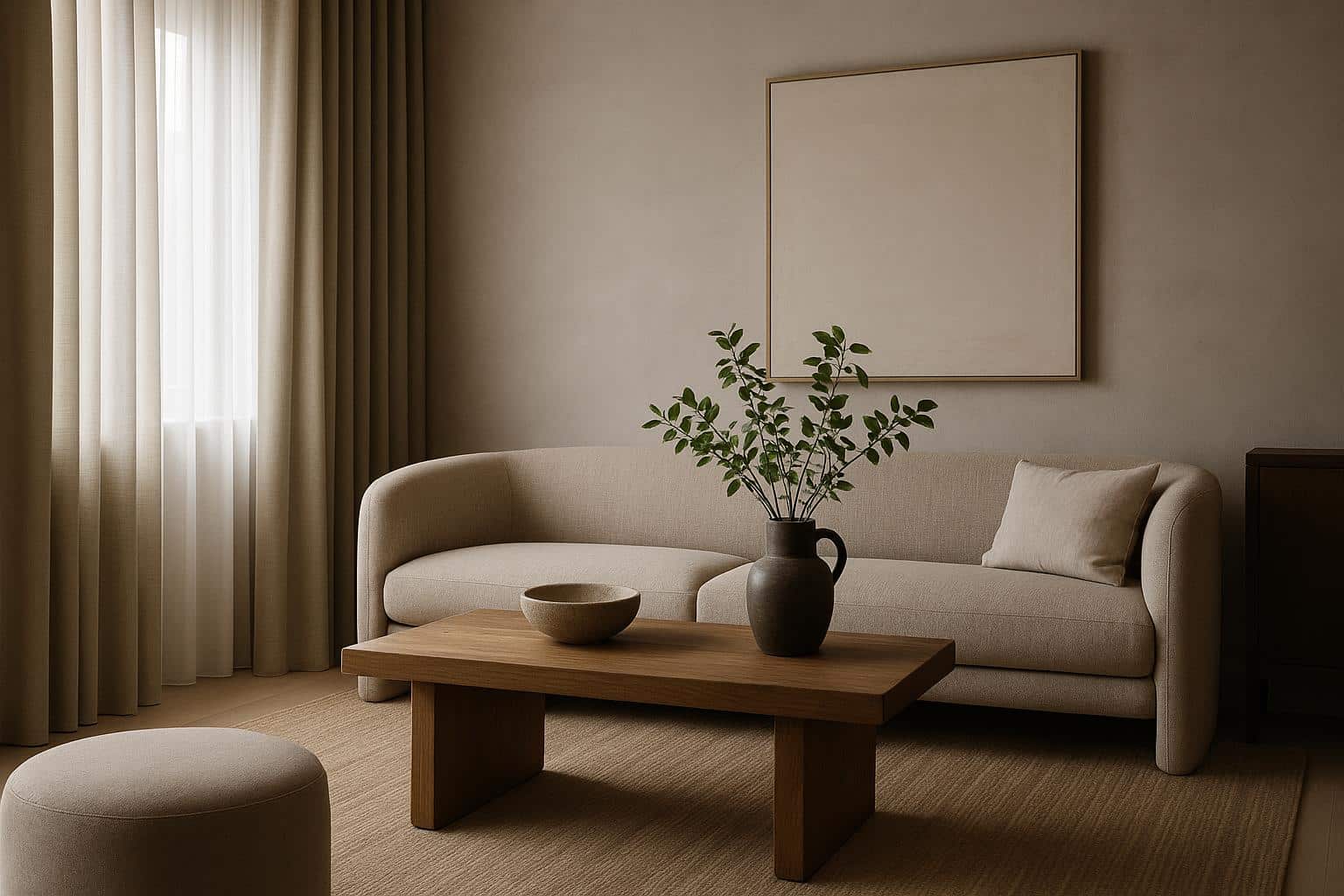
Design is often a conversation between what we see and how we feel. When we walk into a building, we notice the soaring ceilings or the way the light hits the floor, but the real success of a space lies in its invisible boundaries. Honestly, it is about that gut feeling you get when you realize you are actually comfortable.
We’ve lived in an era that’s championed “openness” for a long time.
We have open-plan offices, open-concept homes, and communal social hubs. However, we’re starting to realize that without a dedicated sense of personal space, openness can quickly turn into exposure. But why did we think removing every wall would make us more productive? I guess we just liked the look of it more than the reality of living in it.
This realization is driving a new movement in interior architecture. Designers are moving away from the cold, purely functional layouts of the past and toward a philosophy that prioritizes the human experience of privacy. Whether it’s a high-end restaurant or a creative workspace, the goal is to provide spaces where people can retreat, even for just a few minutes. If you’re looking for high-quality solutions, choosing a partner like One Point Partition can help define these spaces without compromising the building’s aesthetic flow. This shift’s about more than just physical barriers; it’s about psychological comfort. It is about that sigh of relief when you finally find a quiet corner.
Contents
The Return to Intentional Boundaries
For years, the trend was to tear down walls. The idea was that removing barriers would lead to better communication and a more democratic use of space. While that’s true in some contexts, the human brain still craves a “home base.” We need to feel that our immediate surroundings are secure and respected. You know, like a safe harbor.
And in public and commercial settings, this means moving away from thin, temporary-looking fixtures and toward solid, high-quality materials.
When a space feels flimsy, the person using it feels vulnerable. When it feels substantial, it creates a sense of dignity. This is why we’re seeing a surge in premium materials like stainless steel, solid plastic, and powder-coated finishes in areas that were once ignored. It makes you wonder: why did we ever accept less? Maybe we just got used to the “industrial” look and forgot how much texture matters.
Hospitality as a Design Language
One of the most interesting shifts is how “hospitality” is bleeding into every other sector. You see it in healthcare, where waiting rooms are starting to look like hotel lobbies. You see it in corporate offices, which now feature “quiet zones” that resemble library nooks.
The core of hospitality is making someone feel cared for. And that’s the point.
Designers achieve this by focusing on the details that speak to the senses. Sound-dampening materials are a huge part of this. In a world that’s louder than ever, silence is a luxury. So, by using thicker partitions and better acoustic planning, designers can create “bubbles” of quiet in the middle of a busy environment. It’s about creating a sanctuary within the storm. You can almost feel the air get stiller.
The Evolution of High-Traffic Design
High-traffic areas present a unique challenge. They have to be incredibly durable because they’re used constantly, yet they’re often the spaces where people feel most self-conscious.
Balancing the need for “industrial strength” with “human warmth” is the ultimate goal for modern architects.
We’re seeing a move toward full-height enclosures and seamless designs. These choices eliminate the “stall” feeling and replace it with a “room” feeling. It’s a subtle difference, but the impact on the user is massive.
It transforms a utilitarian necessity into a private, comfortable experience.
By focusing on these often-overlooked corners of a building, a brand proves that it values the individual’s experience at every touchpoint. Honestly, isn’t that where true luxury lies? It is in the places no one expects to be beautiful. The hum of the building fades away, and for a second, you are just… you.
Sustainability and Longevity in Modern Interiors
Another pillar of this new design era is the rejection of the “disposable” culture. In the past, commercial interiors were often built cheaply and easily replaced. Today, the focus is on longevity. And choosing materials that can withstand years of use without degrading is the most sustainable choice a business can make.
This long-term thinking also has a financial benefit. High-quality installations require less maintenance and fewer replacements. But more than that, they maintain their beauty over time.
A space that looks brand new five years after it’s built says something powerful about the organization that owns it. It says they aren’t going anywhere.
The Intersection of Technology and Tactility
While screens and digital interfaces increasingly surround us, our physical environment needs to provide a tactile counterbalance. People are drawn to textures, the coolness of metal, the warmth of wood-grain finishes, and the smoothness of high-end stone.
Modern design integrates technology in a way that’s “invisible.” This might mean touchless sensors that are recessed into the wall or lighting that adjusts based on the time of day. But the goal is to make the space work for the person, rather than forcing the person to adapt to the space. When technology and physical design are in harmony, the result is an environment that feels effortless to inhabit.
Final Thoughts: Designing for the Human Spirit
Ultimately, the buildings we create reflect what we value. If we value efficiency above all else, we end up with cold, sterile boxes. If we value the human spirit, we get spaces that offer warmth, privacy, and a sense of belonging.
Focusing on the “architecture of privacy” acknowledges that we’re more than just workers or customers. We’re individuals who need moments of peace and boundaries of respect. By investing in the smallest details and the most private spaces, we create a world that feels a little more human, one room at a time. It really does make a difference.